多元化能源进口战略

Search documents
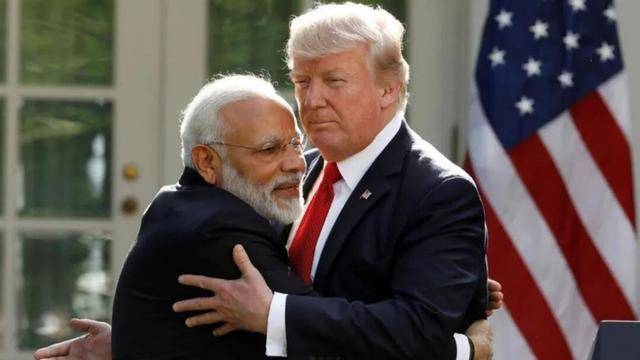
拿到莫迪把柄的特朗普,宣布彻底搞定印度,转头对中国喊出一句话
Sou Hu Cai Jing· 2026-02-07 06:57
Core Viewpoint - The announcement of a significant US-India trade agreement by Trump, which includes a reduction in tariffs on Indian goods from 25% to 18%, is seen as a strategic move to strengthen economic ties while also addressing geopolitical concerns regarding Russia [1][3]. Group 1: Trade Agreement Details - The US will lower tariffs on Indian goods from 25% to 18%, effective immediately, and will also eliminate a 25% tariff on Russian oil [1]. - Modi expressed gratitude for the agreement, highlighting that Indian-made goods can now enter the US market at a reduced tariff [1]. - The agreement comes shortly after India signed a free trade agreement with the EU, indicating India's strategic maneuvering between major economies [5]. Group 2: Geopolitical Implications - A key aspect of the agreement is India's commitment to stop purchasing Russian oil, which aligns with long-standing US objectives and could significantly impact Russia's energy revenue [7]. - India's recent reduction in Russian oil imports has already led to a surplus of Russian crude oil seeking new buyers, indicating a shift in energy dynamics [7]. - The agreement reflects a broader geopolitical strategy where the US seeks to leverage economic ties with India to counterbalance Russian influence [10]. Group 3: Domestic Reactions and Controversies - The announcement has been overshadowed by a controversy related to Modi's past visit to Israel, which has sparked domestic political backlash and calls for clarification from the Indian government [8]. - Despite the controversy, the agreement is expected to proceed, although it adds a layer of complexity to US-India relations [8]. Group 4: China's Position - In contrast to India's shift, China has rejected US calls to stop importing oil from Iran and Russia, maintaining its diversified energy import strategy [10]. - China's increased imports of Russian oil at favorable prices highlight its independent foreign policy and ability to navigate geopolitical pressures [10]. - The situation underscores the importance of strategic autonomy in international relations, as evidenced by China's approach compared to India's recent decisions [10].