多极协作

Search documents
和美国谈不拢,卡尼转身捅刀中国,最想要的东西,被中方拱手送人
Sou Hu Cai Jing· 2025-12-01 06:27
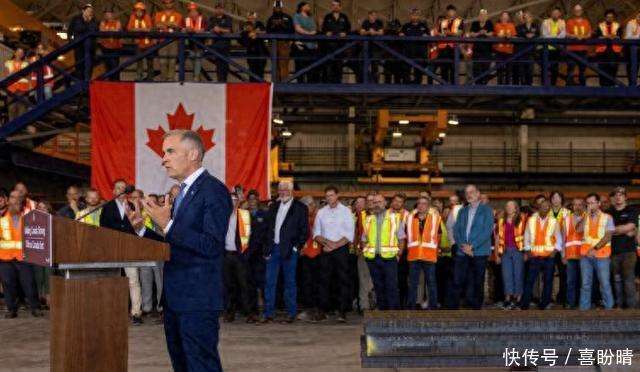
Core Points - Canadian Prime Minister Carney's recent trade measures against China, particularly the imposition of tariffs on steel products, are seen as an attempt to appease the U.S. amid stalled trade negotiations [1][2] - The Canadian steel industry is heavily reliant on the U.S. market, which limits Canada's negotiating power in international trade [4][5] - The decision to impose tariffs on Chinese steel may have severe repercussions for Canadian agriculture, particularly in the canola sector, which relies on the Chinese market for over 60% of its exports [7][10] Group 1: Trade Measures and Implications - Carney announced a 25% additional tariff on all steel imports from China starting in July, with a cap on Chinese steel exports to Canada at half of last year's volume, imposing a 50% tariff on any excess [2] - The U.S. receives preferential treatment, with no tariffs on steel imports from China and no quota restrictions on U.S. steel exports to Canada, highlighting a double standard in trade policy [2] - The measures against China are perceived as a strategy to gain leverage in future U.S.-Canada trade negotiations [2][5] Group 2: Economic Dependencies - Canada's steel industry has long been dependent on the U.S. market, which has resulted in a lack of bargaining power during trade negotiations [4] - The agricultural sector, particularly canola, is significantly dependent on the Chinese market, and any disruption could threaten the livelihoods of thousands of Canadian farmers [7][10] - The recent announcement of a trade agreement between China and Australia to resume canola trade poses a direct threat to Canadian agricultural exports [9][10] Group 3: Strategic Missteps - Carney's focus on the steel industry neglects the broader implications of Canada's economic reliance on the U.S. and the potential fallout for agriculture [5][12] - The Australian government's proactive approach to repairing trade relations with China serves as a cautionary tale for Canada, emphasizing the importance of diversifying trade partnerships [12][13] - The current strategy of imposing tariffs may lead to a loss of both the steel and agricultural markets, ultimately harming Canada's overall economic stability [10][12][13]