经济依赖

Search documents
和美国谈不拢,卡尼转身捅刀中国,最想要的东西,被中方拱手送人
Sou Hu Cai Jing· 2025-12-01 06:27
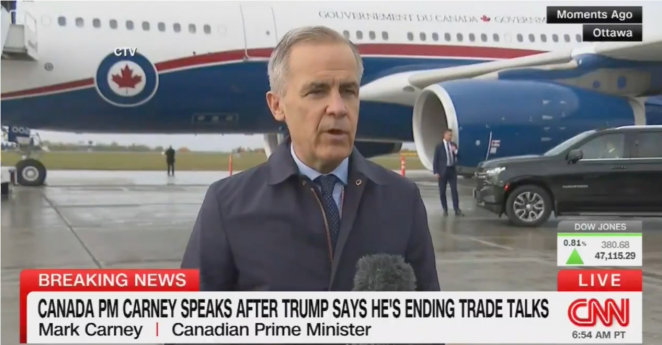
Core Points - Canadian Prime Minister Carney's recent trade measures against China, particularly the imposition of tariffs on steel products, are seen as an attempt to appease the U.S. amid stalled trade negotiations [1][2] - The Canadian steel industry is heavily reliant on the U.S. market, which limits Canada's negotiating power in international trade [4][5] - The decision to impose tariffs on Chinese steel may have severe repercussions for Canadian agriculture, particularly in the canola sector, which relies on the Chinese market for over 60% of its exports [7][10] Group 1: Trade Measures and Implications - Carney announced a 25% additional tariff on all steel imports from China starting in July, with a cap on Chinese steel exports to Canada at half of last year's volume, imposing a 50% tariff on any excess [2] - The U.S. receives preferential treatment, with no tariffs on steel imports from China and no quota restrictions on U.S. steel exports to Canada, highlighting a double standard in trade policy [2] - The measures against China are perceived as a strategy to gain leverage in future U.S.-Canada trade negotiations [2][5] Group 2: Economic Dependencies - Canada's steel industry has long been dependent on the U.S. market, which has resulted in a lack of bargaining power during trade negotiations [4] - The agricultural sector, particularly canola, is significantly dependent on the Chinese market, and any disruption could threaten the livelihoods of thousands of Canadian farmers [7][10] - The recent announcement of a trade agreement between China and Australia to resume canola trade poses a direct threat to Canadian agricultural exports [9][10] Group 3: Strategic Missteps - Carney's focus on the steel industry neglects the broader implications of Canada's economic reliance on the U.S. and the potential fallout for agriculture [5][12] - The Australian government's proactive approach to repairing trade relations with China serves as a cautionary tale for Canada, emphasizing the importance of diversifying trade partnerships [12][13] - The current strategy of imposing tariffs may lead to a loss of both the steel and agricultural markets, ultimately harming Canada's overall economic stability [10][12][13]

落后就要挨打!韩国拒付美国 3500 亿现金,“硬刚”能换来体面吗?
Sou Hu Cai Jing· 2025-10-26 05:50
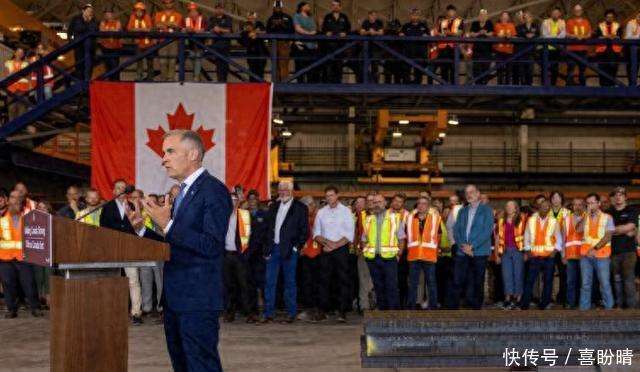
Group 1: Core Issues - The U.S. has demanded South Korea invest $350 billion to lower tariffs, with strict conditions on investment direction and profit sharing [3][5][6] - South Korea's foreign exchange reserves are approximately $400 billion, making the U.S. demand nearly impossible to meet without significant economic repercussions [6][17] - The automotive and semiconductor sectors are particularly vulnerable, with one-fifth of South Korea's exports going to the U.S., risking layoffs and industry disruption if tariffs are imposed [6][10] Group 2: South Korea's Response - President Yoon Suk-yeol's administration previously complied with U.S. demands, but current President Lee Jae-myung is taking a firmer stance against the U.S. [5][10] - Negotiations have led to some concessions from the U.S., allowing for reduced cash payments and a more favorable profit-sharing arrangement for South Korea [8][10] - Lee has publicly committed to not compromising South Korea's interests, reflecting a shift in approach compared to his predecessor [10][19] Group 3: Economic and Strategic Considerations - South Korea's strength in the global semiconductor and battery markets gives it leverage, as U.S. tech companies rely heavily on South Korean suppliers [14][16] - The country is actively seeking to diversify its markets and reduce dependence on the U.S., including expanding production in Indonesia and Vietnam [16] - Despite these efforts, South Korea's economic reliance on the U.S. remains significant, with many SMEs dependent on U.S. orders, posing risks if tariffs are enacted [17][19] Group 4: Security Concerns - South Korea's security dependence on the U.S. is a critical issue, with substantial military presence and financial obligations to the U.S. [18][21] - The potential for increased military costs if trade negotiations fail adds another layer of pressure on South Korea's decision-making [18][21] - The need for South Korea to enhance its own military and economic capabilities is emphasized to avoid being seen as a subordinate in international negotiations [21]
美国中止与加拿大贸易谈判,加总理首次“印太之行”启程:积极寻求与亚洲国家合作
Huan Qiu Wang· 2025-10-25 02:43
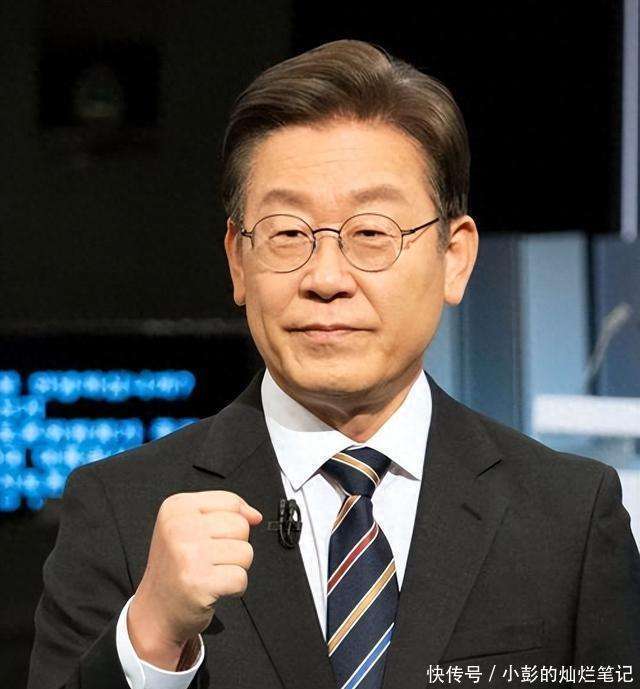
Core Points - The U.S. President Trump announced the suspension of trade negotiations with Canada due to dissatisfaction with a government-sponsored advertisement in Ontario [1][3] - Canadian Prime Minister Mark Carney expressed a desire to seek cooperation with Asian countries to reduce economic dependence on the U.S. [1][3] Group 1: Trade Relations - The suspension of trade talks follows a statement from the "Ronald Reagan Foundation" accusing Canada of using a misleading advertisement featuring negative comments about tariffs from former President Reagan [3] - Carney stated that Canada cannot control U.S. trade policies but can forge new partnerships and explore new opportunities, particularly with significant Asian economies [3] Group 2: Economic Strategy - Since the beginning of the year, Canada and the U.S. have had multiple disputes over tariff issues, leading Carney to declare that the traditional relationship between the two countries has ended [4] - The Canadian government plans to reshape its economy fundamentally in response to escalating U.S. tariffs, including a focus on large-scale infrastructure projects in energy, minerals, and port construction [4] - Carney announced intentions to reduce Canadian reliance on the U.S. in economic and security areas, with plans to double exports to non-U.S. markets over the next decade and re-engage with countries like China and India [4]