
国际经贸博弈

Search documents
和美国谈不拢,卡尼转身捅刀中国,最想要的东西,被中方拱手送人
Sou Hu Cai Jing· 2025-12-01 06:27
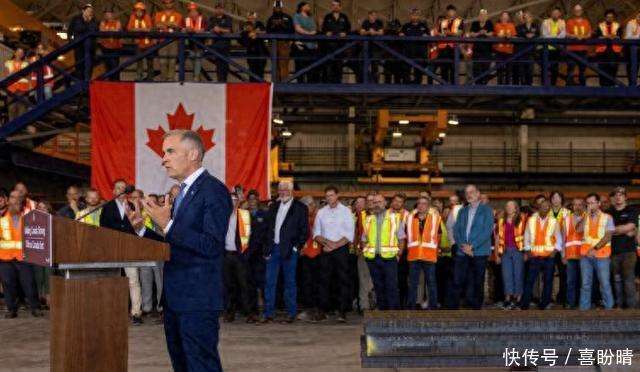
Core Points - Canadian Prime Minister Carney's recent trade measures against China, particularly the imposition of tariffs on steel products, are seen as an attempt to appease the U.S. amid stalled trade negotiations [1][2] - The Canadian steel industry is heavily reliant on the U.S. market, which limits Canada's negotiating power in international trade [4][5] - The decision to impose tariffs on Chinese steel may have severe repercussions for Canadian agriculture, particularly in the canola sector, which relies on the Chinese market for over 60% of its exports [7][10] Group 1: Trade Measures and Implications - Carney announced a 25% additional tariff on all steel imports from China starting in July, with a cap on Chinese steel exports to Canada at half of last year's volume, imposing a 50% tariff on any excess [2] - The U.S. receives preferential treatment, with no tariffs on steel imports from China and no quota restrictions on U.S. steel exports to Canada, highlighting a double standard in trade policy [2] - The measures against China are perceived as a strategy to gain leverage in future U.S.-Canada trade negotiations [2][5] Group 2: Economic Dependencies - Canada's steel industry has long been dependent on the U.S. market, which has resulted in a lack of bargaining power during trade negotiations [4] - The agricultural sector, particularly canola, is significantly dependent on the Chinese market, and any disruption could threaten the livelihoods of thousands of Canadian farmers [7][10] - The recent announcement of a trade agreement between China and Australia to resume canola trade poses a direct threat to Canadian agricultural exports [9][10] Group 3: Strategic Missteps - Carney's focus on the steel industry neglects the broader implications of Canada's economic reliance on the U.S. and the potential fallout for agriculture [5][12] - The Australian government's proactive approach to repairing trade relations with China serves as a cautionary tale for Canada, emphasizing the importance of diversifying trade partnerships [12][13] - The current strategy of imposing tariffs may lead to a loss of both the steel and agricultural markets, ultimately harming Canada's overall economic stability [10][12][13]

美财长感恩节前急盼稀土协议,威胁中国不许变卦,美国底气何在?
Sou Hu Cai Jing· 2025-11-17 14:14
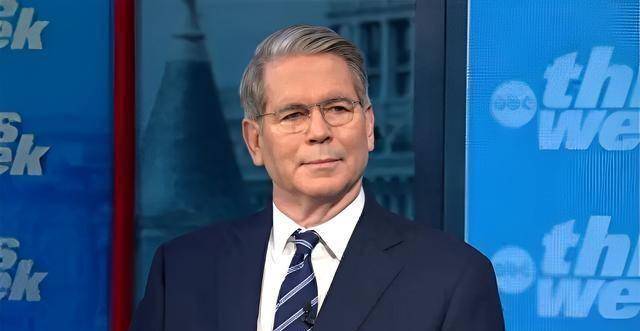
Core Viewpoint - The urgency expressed by U.S. Treasury Secretary Yellen for a rare earth supply agreement with China before Thanksgiving highlights the underlying anxiety regarding dependency on Chinese supply chains and the complexities of international trade dynamics [1][3][9] Group 1: U.S. Actions and Intentions - Yellen's recent activities, including inaugurating a rare earth processing center, signal a desire to reduce reliance on China while simultaneously seeking a contractual agreement to ensure supply stability [1][3] - The push for a supply agreement reflects a strategic move to create a safety net for the U.S. supply chain, allowing for a narrative of accountability in case of future disruptions [3][4] - The U.S. is concerned about potential supply chain disruptions, which is evident in its pursuit of additional agreements despite China's existing export control policies [4][9] Group 2: Global Context and Implications - The geopolitical landscape, particularly Japan's recent political developments, adds complexity to U.S.-China relations and the strategic resource allocation [6][9] - The interdependence of global supply chains means that any disruption in one area can have widespread effects, emphasizing the need for stable agreements [11] - The ongoing competition in technology and resource acquisition underscores the urgency for the U.S. to secure reliable sources of high-quality rare earth materials [9][11] Group 3: Market Dynamics and Future Outlook - Historical patterns of U.S.-China trade disputes suggest that effective resolutions require mutual respect for interests rather than aggressive posturing [8][11] - The current negotiations around rare earth supplies reveal a blend of anxiety and expectation, indicating that both parties are aware of the high stakes involved [11] - The complexity of the situation suggests that achieving a truly secure supply chain will require more than just contractual agreements; it necessitates a focus on enhancing communication and transparency [11]
南财观察:硬刚荷兰 底气何在?
2 1 Shi Ji Jing Ji Bao Dao· 2025-10-26 09:41
Core Insights - A control dispute over a Chinese semiconductor company, Anshi Semiconductor, is causing unprecedented crises in the global automotive supply chain [1][2] - Anshi Semiconductor, previously part of Philips, was acquired by China's Wentai Technology for 33 billion yuan in 2019, and has since risen to become the third-largest player in the global power semiconductor market [1] - The Dutch government has frozen Anshi's global assets and knowledge rights for one year, citing national security, and has removed the Chinese CEO, leading to a forced custodianship of Wentai's shares [1][2] Group 1 - Anshi Semiconductor's production capacity is heavily concentrated in Dongguan, China, where 80% of its output is located, producing 70% of the world's automotive-grade power chips [2] - The company announced an "independent operation" status, rejecting any directives not recognized by its Chinese division, and severed system connections with its Dutch headquarters [2] - The European Automobile Manufacturers Association (ACEA) warned of a potential three-month disruption in the automotive supply chain if the dispute is not resolved quickly, with major manufacturers like Volkswagen and BMW facing severe inventory shortages [2][3] Group 2 - Wentai Technology reported a record high revenue from its semiconductor business in China for Q3 2025, with a year-on-year growth of approximately 14%, and automotive business revenue increasing over 26% [3] - China accounted for 49.29% of Anshi's global revenue, making it the fastest-growing and highest strategic priority region for the company [3] - The Dutch Economic Affairs Minister signaled a willingness to negotiate, emphasizing Anshi's importance to the global supply chain, while the Chinese market's support has empowered Anshi's response to the Dutch headquarters [2][3]
