大脑衰老加速

Search documents
无糖甜饮料真的不能天天喝!
Yang Shi Xin Wen· 2025-12-24 06:10
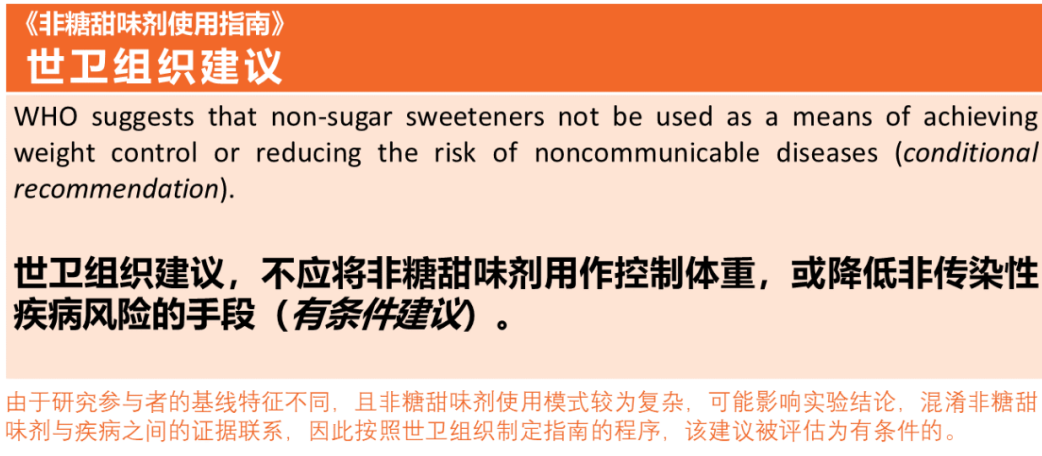
Core Viewpoint - The increasing consumption of sugar-free beverages, often perceived as a healthier choice, is linked to rising health risks, including diabetes and accelerated brain aging. Group 1: Health Risks of Sugar-Free Beverages - Regular consumption of sugar-free drinks is associated with a 38% increased risk of developing type 2 diabetes compared to those who rarely consume them [1] - Drinking artificial sweetener beverages daily can lead to a 21% increase in obesity risk and a 15% increase in type 2 diabetes risk [4] - A study indicates that daily consumption of sugar-free soda can accelerate brain aging by 1.6 years [2] Group 2: Mechanisms and Recommendations - Artificial sweeteners may disrupt the body's metabolic processes, leading to increased cravings for sweet foods and poor dietary choices [5] - The World Health Organization advises against using non-sugar sweeteners for weight control or reducing non-communicable disease risks [3] - For individuals with cardiovascular disease history, caution is advised with sugar alcohols, particularly xylitol and erythritol, due to potential risks [6] Group 3: General Dietary Recommendations - The recommended daily limit for added sugars is no more than 50 grams, ideally below 25 grams, which includes sugars from beverages and other food sources [6] - Healthier alternatives to sugar-free beverages include water, unsweetened tea, and coffee [6]

Nature头条:新冠大流期间,人类大脑衰老加快,即便未感染的人也是如此
生物世界· 2025-07-22 23:44
Core Viewpoint - The study published in Nature Communications indicates that brain aging accelerated during the COVID-19 pandemic, affecting even those who did not contract SARS-CoV-2, highlighting the significant impact of the pandemic on mental and neurological health [2][4][5]. Summary by Sections Study Background - The research conducted by the University of Nottingham analyzed brain scans from 15,334 healthy adults with an average age of 63, utilizing machine learning models to predict brain age based on structural features [8][10]. Findings on Brain Aging - The study found that individuals experienced an average brain aging acceleration of 5.5 months during the pandemic, regardless of SARS-CoV-2 infection status, suggesting that environmental factors also play a crucial role in brain health [10][12]. Demographic Insights - The accelerated brain aging was most pronounced in older adults, males, and individuals from disadvantaged backgrounds, indicating that stressors such as unemployment and poor health significantly impacted brain aging [12]. Cognitive Function Assessment - Cognitive tests revealed that only participants who had contracted SARS-CoV-2 showed declines in cognitive abilities, such as processing speed and flexibility, indicating that physical brain aging does not necessarily correlate with cognitive decline [12]. Future Research Directions - The study calls for further research to explore the causal relationships behind accelerated brain aging during the pandemic, including the roles of mental health, isolation, and lifestyle factors [12].