人工甜味剂饮料

Search documents
Nature子刊:华人学者证实,含糖饮料和人工甜味剂饮料,都与肝病风险增加有关
生物世界· 2025-12-24 10:30
Core Insights - The study published by Yale University reveals a significant association between the consumption of sweetened beverages (both sugary and artificially sweetened) and adverse liver health outcomes, indicating that daily intake of these beverages increases the risk of metabolic dysfunction-related fatty liver disease (MASLD), severe liver disease, and chronic liver disease mortality [2][4]. Group 1: Study Overview - The research utilized data from the UK Biobank, involving 173,840 participants aged 40-69, and applied Cox proportional hazards regression models to analyze the relationship between sweetened beverage consumption and liver health outcomes [3]. - At baseline, 14.2% of participants consumed at least one sugary drink daily, while 10.8% consumed at least one artificially sweetened drink daily, with one serving defined as 250mL [3]. Group 2: Findings on Beverage Consumption - Each additional serving of sugary beverages per day was associated with a 10% increase in MASLD risk, a 21% increase in cirrhosis risk, an 18% increase in severe liver disease risk, and a 37% increase in chronic liver disease mortality risk [4]. - For artificially sweetened beverages, each additional serving per day correlated with a 15% increase in MASLD risk, a 14% increase in severe liver disease risk, and a 41% increase in chronic liver disease mortality risk [4]. Group 3: Health Improvement Potential - Reducing sweetened beverage intake may significantly improve liver health; substituting one serving of sugary drinks with tea or coffee is linked to a 10%-32% reduction in risks associated with MASLD, cirrhosis, severe liver disease, and chronic liver disease mortality [5]. - Similarly, replacing one serving of artificially sweetened beverages with tea or coffee is associated with a 14%-34% reduction in the same health risks [5]. Group 4: Protein Signatures and Health Risks - The study identified specific proteomic signatures associated with sweetened beverage consumption that correlate with increased risks of MASLD, cirrhosis, severe liver disease, and chronic liver disease mortality [5]. - For sugary beverages, each standard deviation increase in related proteomic features was linked to a 65% increase in MASLD risk, a 52% increase in cirrhosis risk, a 111% increase in severe liver disease risk, and a 53% increase in chronic liver disease mortality risk [5]. - For artificially sweetened beverages, the corresponding increases were 96% for MASLD, 71% for cirrhosis, 114% for severe liver disease, and 442% for chronic liver disease mortality [5]. Group 5: Implications for Dietary Recommendations - The findings underscore the importance of understanding how sweetened beverages impact liver health and suggest the need for personalized dietary recommendations to reduce the intake of these beverages to improve liver health and lower the risk of severe complications related to liver disease [6].

无糖甜饮料真的不能天天喝!
Yang Shi Xin Wen· 2025-12-24 06:10
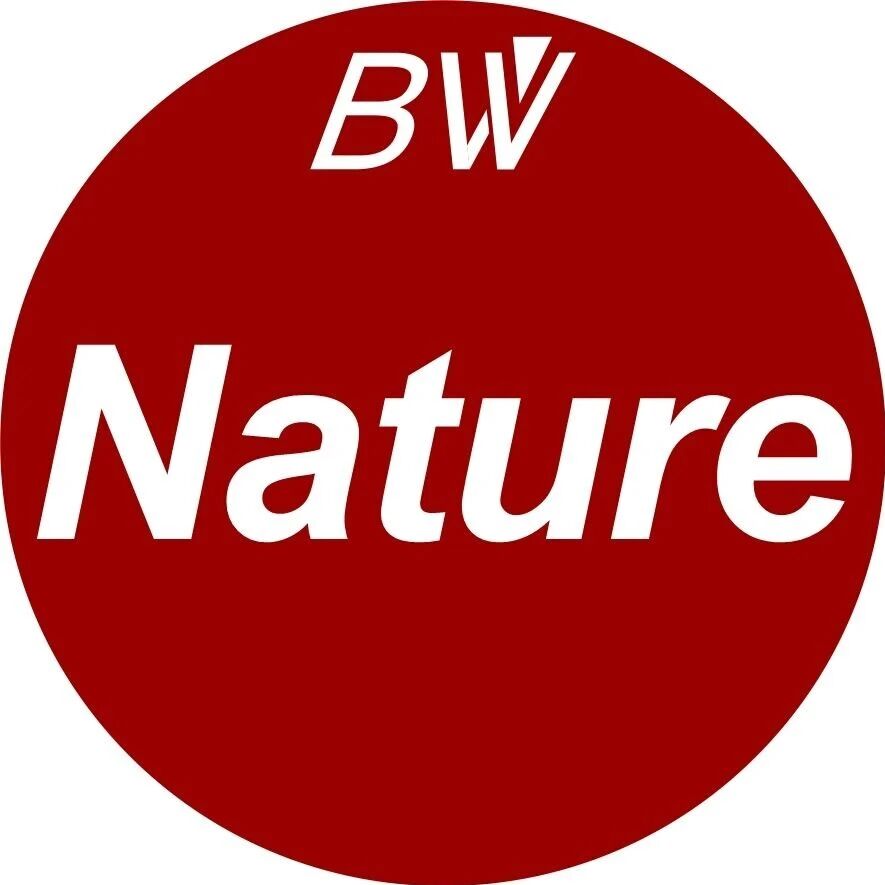
Core Viewpoint - The increasing consumption of sugar-free beverages, often perceived as a healthier choice, is linked to rising health risks, including diabetes and accelerated brain aging. Group 1: Health Risks of Sugar-Free Beverages - Regular consumption of sugar-free drinks is associated with a 38% increased risk of developing type 2 diabetes compared to those who rarely consume them [1] - Drinking artificial sweetener beverages daily can lead to a 21% increase in obesity risk and a 15% increase in type 2 diabetes risk [4] - A study indicates that daily consumption of sugar-free soda can accelerate brain aging by 1.6 years [2] Group 2: Mechanisms and Recommendations - Artificial sweeteners may disrupt the body's metabolic processes, leading to increased cravings for sweet foods and poor dietary choices [5] - The World Health Organization advises against using non-sugar sweeteners for weight control or reducing non-communicable disease risks [3] - For individuals with cardiovascular disease history, caution is advised with sugar alcohols, particularly xylitol and erythritol, due to potential risks [6] Group 3: General Dietary Recommendations - The recommended daily limit for added sugars is no more than 50 grams, ideally below 25 grams, which includes sugars from beverages and other food sources [6] - Healthier alternatives to sugar-free beverages include water, unsweetened tea, and coffee [6]