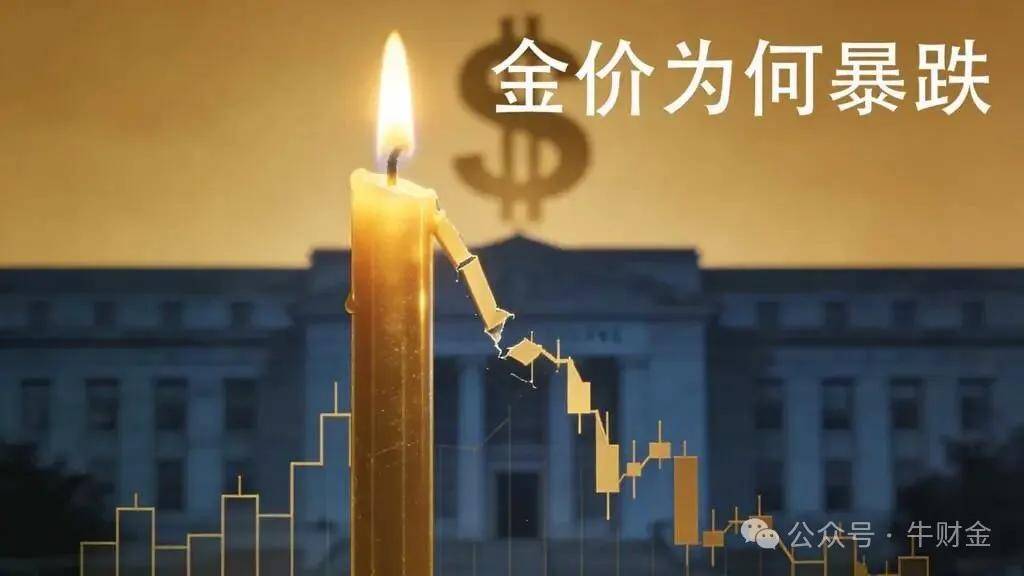
央行角色

Search documents
黄金跌去7.4 万亿,是短期波动,还是趋势逆转?历史已经给过答案
Sou Hu Cai Jing· 2026-01-31 05:38
Core Viewpoint - The significant drop in gold prices, which fell from a peak of $5,598 per ounce, was triggered by market reactions to the potential nomination of Kevin Warsh as the next Federal Reserve Chair, leading to a reevaluation of the Fed's role in supporting asset prices [4][5][9]. Group 1: Market Reaction - The combined market value of gold and silver evaporated by approximately $7.4 trillion, equivalent to the GDP of the UK and France in 2025 [1]. - Gold experienced a near 13% drop, while silver saw a maximum decline of over 35% during the trading session [5][6]. Group 2: Historical Context - Historical precedents indicate that significant changes in Federal Reserve leadership can lead to drastic shifts in gold pricing, as seen in 1980 when Paul Volcker took office and prioritized monetary credibility over asset price support [6][7]. - In 2013, a similar market reaction occurred when then-Fed Chair Ben Bernanke hinted at tapering asset purchases, resulting in a 28% decline in gold prices throughout the year [8]. Group 3: Future Implications - The current market response suggests a long-term shift in the perception of gold as an asset, moving from a hedge against inflation to a more traditional asset class, depending on the Federal Reserve's stance on monetary policy [10][12]. - The lesson from this volatility is that the value of gold is not solely tied to inflation but rather to the central bank's attitude towards inflation and monetary policy [10][13].