奥派经济学

Search documents
一万亿美元顺差?吃大亏了!
Sou Hu Cai Jing· 2025-12-20 16:27
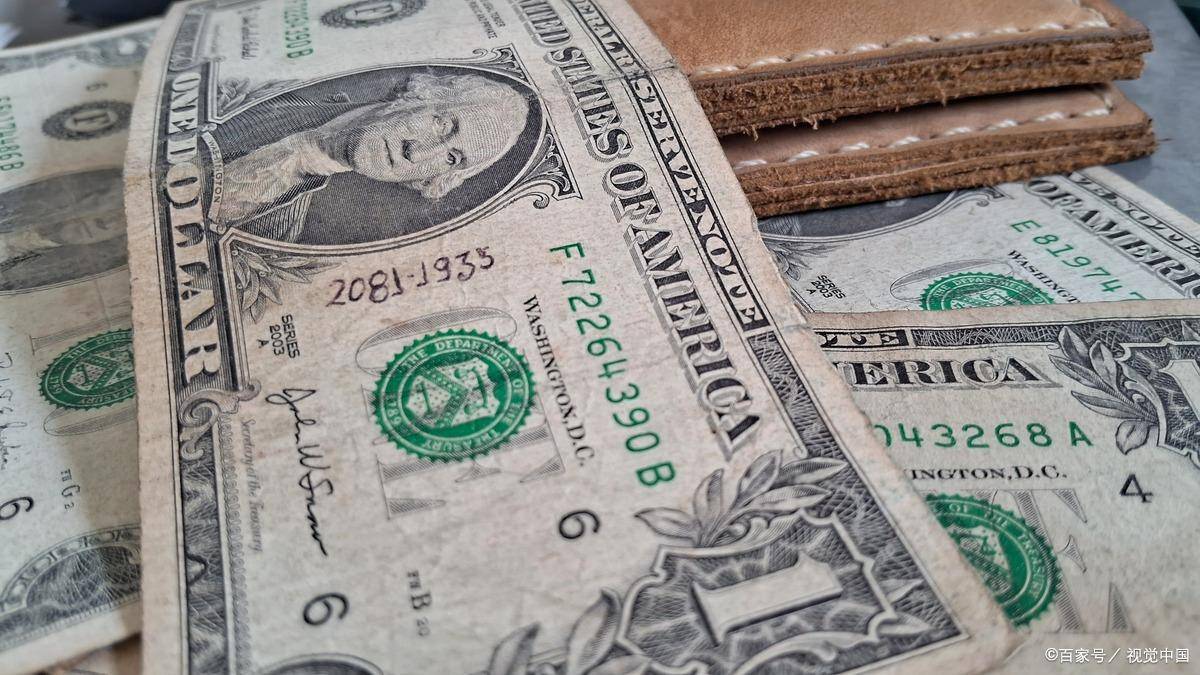
Core Viewpoint - The article discusses the implications of China's $1 trillion trade surplus, arguing that it represents a significant economic imbalance rather than a true profit, as it reflects a trade of real goods for mere currency [1][4][24]. Trade Surplus Analysis - The $1 trillion trade surplus is likened to a "gold mine," but it is suggested that this surplus is misleading, as it does not equate to actual wealth [1][4]. - The narrative compares two fictional islands: "Labor Island" (China) and "Consumption Island" (the U.S.), illustrating how Labor Island exports real goods while receiving only paper currency in return [4][7]. - The article emphasizes that the true wealth lies in tangible goods, not in the currency received for them, highlighting a fundamental misunderstanding of wealth [5][6]. Economic Mechanisms - The article critiques the artificial management of currency exchange rates, which prevents the natural appreciation of the Chinese yuan despite significant exports [9][13]. - It explains that maintaining a low exchange rate effectively subsidizes foreign consumers while distorting price signals for domestic producers [16][20]. - The process of printing more yuan to manage the exchange rate leads to inflation, diminishing the purchasing power of Chinese citizens [18][20]. Consequences of Trade Practices - The article argues that the current trade practices result in a cycle where increased exports lead to more yuan being printed, which in turn causes inflation and reduces the purchasing power of the populace [21][24]. - It suggests that the trade surplus, rather than being a sign of economic strength, is a burden that restricts consumer spending and industrial advancement [24][25]. Proposed Solutions - The article advocates for allowing the yuan to float freely in the market, which would lead to a natural adjustment in the exchange rate and potentially higher prices for exports [24]. - It calls for increased imports to utilize the trade surplus effectively, suggesting that China should invest in technology and consumer goods to enhance domestic welfare [24]. - The article emphasizes the importance of consumer spending as a measure of economic health, rather than merely focusing on export figures [24].

区块链正在重塑世界!比特币只是开始,新技术将颠覆传统金融体系
Sou Hu Cai Jing· 2025-10-17 07:49
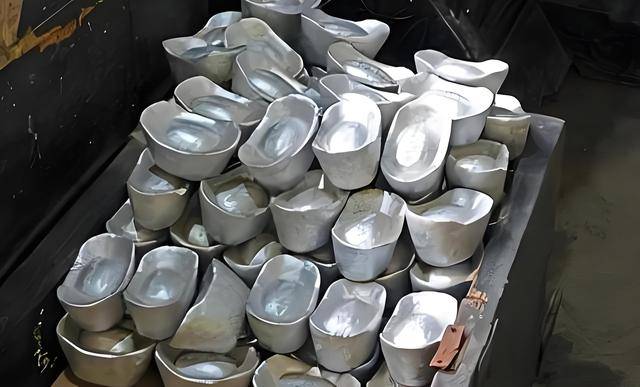
Core Concept - The article discusses the evolution of currency from precious metals like silver to digital currencies like Bitcoin, emphasizing the importance of scarcity and trust in the value of money. Group 1: Historical Context of Currency - Historically, precious metals like silver were valued for their limited supply, contrasting with fiat currencies that can be printed at will [1] - Bitcoin's total supply is capped at 21 million coins, mirroring the scarcity of ancient silver, which enhances its perceived value [3] Group 2: Technological Foundations of Blockchain - The concept of blockchain was built on decades of technological advancements, starting with the "Byzantine Generals Problem" proposed by Leslie Lamport in 1982, which addressed trust in distributed networks [5] - In 1991, cryptographers developed the first "chain of blocks" to timestamp digital files, laying the groundwork for blockchain technology [7] - The invention of the "proof of work" mechanism in 1997, initially designed to combat spam, became the basis for Bitcoin mining, requiring computational effort to validate transactions [8] Group 3: Evolution of Blockchain and Cryptocurrencies - Bitcoin was introduced in 2008, primarily serving as a digital currency for transactions, similar to silver [10] - In 2013, Vitalik Buterin created Ethereum, introducing "smart contracts" that automated transactions, transforming blockchain from a digital asset to programmable money [10] - Current advancements in blockchain technology include transitioning from energy-intensive mining to "proof of stake" mechanisms and implementing sharding for faster transactions [12] Group 4: Market Dynamics and Investment Considerations - The cryptocurrency market is saturated with various coins, some of which lack fundamental value and are considered speculative [12] - Established cryptocurrencies like Bitcoin and Ethereum are viewed as more reliable investments due to their technological foundations and consensus within the market, akin to state-minted silver coins compared to privately minted ones [12]