
妈祖文化

Search documents
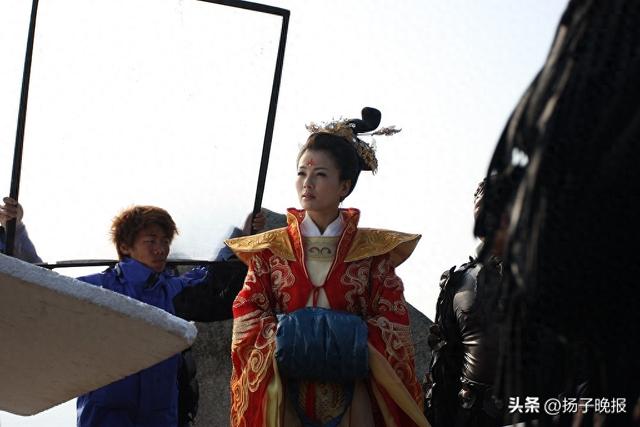
演员刘涛回应“妈祖照”被设为屏保
Xin Lang Cai Jing· 2026-02-22 06:37
Core Viewpoint - The recent trend of using "Mazu photos" as mobile wallpapers reflects a collective wish for beauty and hope in the world, as expressed by actress Liu Tao [2] Group 1: Cultural Significance - Liu Tao was honored as the "Global Promotion Ambassador of Mazu Culture" and "Cultural Tourism Recommendation Officer of Putian City" after presenting a longevity peach to the Mazu statue during the 1065th anniversary of Mazu's birth [2] - The popularity of Liu Tao's related photos and videos highlights the modern legend of Mazu culture dissemination [2] Group 2: Personal Connection - Before starring in the TV series "Mazu" in 2012, Liu Tao followed the folk custom of "casting the holy cup" for guidance, receiving permission three times, which contributed to her iconic role [2]


演员刘涛回应妈祖照被设为屏保
Xin Lang Cai Jing· 2026-02-22 04:34
Group 1 - The core viewpoint of the article highlights the public's enthusiasm for using "Mazu" images as phone wallpapers, reflecting a collective wish for beauty and hope in the world [1] - Liu Tao, an actress, was honored as the "Global Promotion Ambassador of Mazu Culture" and "Recommended Officer of Putian Cultural Tourism" after presenting a longevity peach to the Mazu statue during the 1065th anniversary of Mazu's birth [1] - The popularity of Liu Tao's related photos and videos surged following her involvement in promoting Mazu culture [1] Group 2 - Prior to her role in the TV series "Mazu" in 2012, Liu Tao followed the folk custom of "casting the holy cup" three times, which not only led to her iconic role but also contributed to the modern legend of Mazu culture dissemination [3]
闽台妈祖宫庙“云端”同祝福、共祈年
Xin Lang Cai Jing· 2026-02-18 05:56
Group 1 - The core event is the Spring Prayer Ceremony held on February 18, 2023, in Ningde City, Fujian Province, which involved collaboration between various cultural organizations from Taiwan and Macau to celebrate Mazu culture [1] - The ceremony featured traditional rituals with attendees dressed uniformly, emphasizing the cultural significance of Mazu as a bridge connecting overseas Chinese communities [1] - The Mazu cultural exchange has been highlighted as an important link for cross-strait relations, with hopes for further development and exchange through such events [1] Group 2 - The construction of the Songshan Ecological Cultural Scenic Area began in August 2023, aiming to establish a hub for Mazu cultural exchange and a tourism center in the southeastern coastal region [2] - The Mazu culture is recognized as a vital connection for people across the Taiwan Strait, and the ongoing projects are expected to enhance this cultural exchange [2]
妈祖情缘连两岸 融合发展谱新篇
Xin Lang Cai Jing· 2026-01-12 21:04
Core Viewpoint - The article emphasizes the importance of Mazu culture as a unique spiritual asset for promoting cross-strait integration and development, aligning with the "14th Five-Year Plan" which advocates for high-quality advancement in cross-strait relations [1][2]. Group 1: Mazu Culture and Cross-Strait Relations - Mazu culture is deeply embedded in the spiritual heritage of people on both sides of the Taiwan Strait, with over 10,000 Mazu temples globally and approximately 300 million devotees, including 16 million in Taiwan [1]. - The "Mazu belief" was recognized by UNESCO as an intangible cultural heritage in 2009, highlighting its significance in fostering cultural identity and unity among Chinese communities [1]. - Events such as the "Return Home" ceremony for Mazu and the "Mazu Pilgrimage" have become platforms for deepening mutual recognition and cultural exchange between the two sides [2]. Group 2: Cultural Events and Activities - The "Return Home" ceremony in 2025 attracted nearly 10,000 guests from over 110 Mazu cultural organizations, including representatives from 25 Taiwanese Mazu institutions, showcasing the strong ties and cultural exchanges [2]. - The "99th Anniversary of Mazu's Ascension" event featured the installation of nearly 100 Mazu statues from various regions, further enhancing cultural connections between Taiwan and the mainland [3]. Group 3: Cultural and Economic Integration - The integration of Mazu culture with tourism is being actively pursued, with initiatives aimed at creating a vibrant cultural tourism industry on Meizhou Island, a national 5A-level tourist attraction [4]. - The large-scale cultural performance "Origin of Meizhou" has hosted over 500 shows, attracting more than 100,000 visitors, and aims to enhance cultural interaction between the two sides [5]. - Support for Taiwanese entrepreneurs and cultural competitions is being provided to facilitate the integration of Taiwanese youth into the mainland's economic landscape [5]. Group 4: Community Engagement and Support - The company emphasizes the importance of community support for Taiwanese residents on Meizhou Island, organizing events and providing assistance to foster a sense of belonging [6]. - Initiatives aimed at enhancing youth engagement through cultural exchange programs are being implemented to strengthen ties and mutual understanding between young people from both sides [6]. Group 5: Future Vision and Commitment - The article outlines a commitment to continue promoting Mazu culture as a bridge for cross-strait relations, aligning with the broader goals set forth by the 20th National Congress of the Communist Party of China [7]. - The focus will remain on cultural exchange, development, and fostering a sense of unity among Taiwanese compatriots, contributing to the overall goal of national rejuvenation [7].
潮声里的文明
Xin Lang Cai Jing· 2026-01-09 00:11
Core Perspective - The articles collectively highlight the deep connection between the coastal culture of Fujian and the sea, emphasizing the historical significance of maritime trade, cultural exchange, and the enduring spirit of resilience and innovation among the people of Fujian [1][2][3][4][5][6][7][8][9]. Group 1: Historical Significance - Fujian's coastline, over 3,000 kilometers long, is the second longest in China and the most convoluted, reflecting its rich maritime history [1]. - The region was a starting point for the Maritime Silk Road, facilitating trade and cultural exchange between East and West during the Song and Yuan dynasties [2]. - Zheng He's voyages in the early 15th century marked the peak of maritime trade, showcasing the region's shipbuilding prowess and its role in global commerce [2][3]. Group 2: Cultural Identity - The Mazu culture serves as a vital cultural link for Chinese communities connected by the sea, symbolizing protection and guidance for fishermen and traders [4]. - The stories of historical figures like Zheng Chenggong and Chen Jiageng illustrate the deep-rooted maritime spirit and the commitment to national pride and education among the people of Fujian [5][6][7]. Group 3: Economic Development - The historical significance of ports like Taiping Port and modern developments in Xiamen Port highlight the evolution of Fujian's maritime economy, with Xiamen now ranking as the 11th most important port globally [7][8]. - The entrepreneurial spirit of Fujian's people is exemplified by Chen Jiageng, who transformed his business success into educational initiatives, fostering a culture of investment in human capital [7]. Group 4: Maritime Spirit - The articles emphasize a maritime spirit characterized by courage, resilience, and a sense of community, as seen in the traditions of fishermen and traders who respect the sea while pursuing their livelihoods [3][4][5][6]. - The concept of "海纳百川" (the sea accepts all rivers) encapsulates the inclusive and open-minded nature of Fujian's coastal culture, promoting harmony and collaboration [2][4].
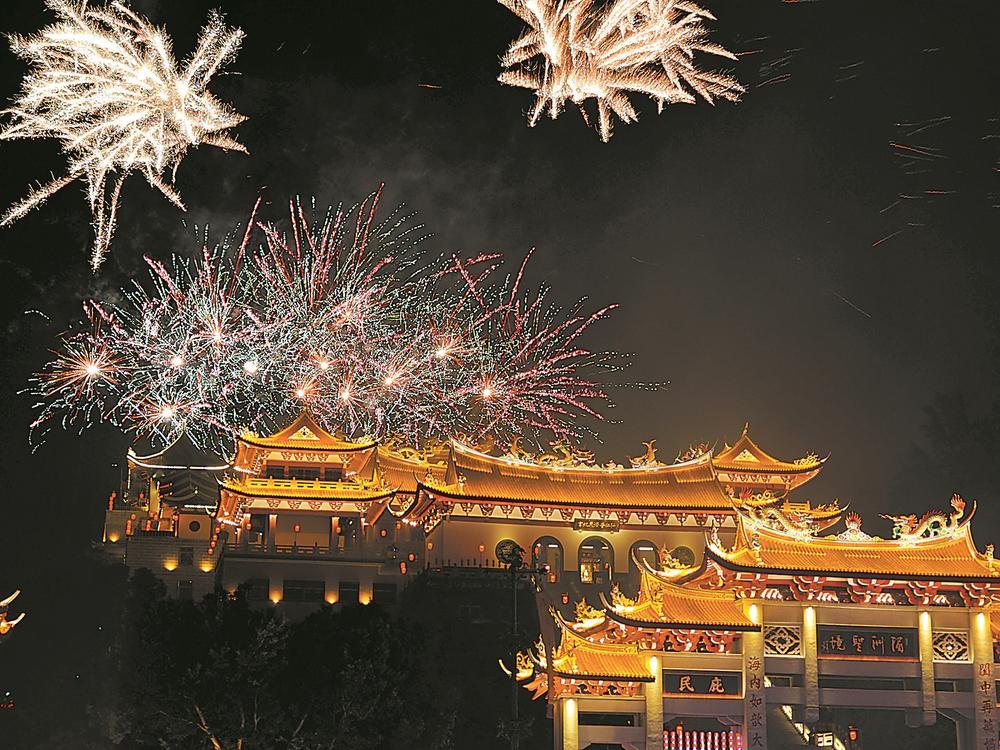
上万两岸同胞湄洲岛跨年祈福
Xin Lang Cai Jing· 2026-01-02 23:43
Core Viewpoint - The 2026 Mazu New Year Blessing Ceremony held on Meizhou Island aims to promote Mazu culture and enhance cross-strait youth exchanges, attracting more young people to engage with Mazu culture and strengthen emotional connections among compatriots [2] Group 1: Event Overview - The event took place on December 31, 2025, at the Mazu Temple on Meizhou Island, featuring a vibrant atmosphere with thousands of participants from both sides of the Taiwan Strait gathering to celebrate the New Year [1] - The "2026 All to Putian for the New Year" activity was launched, focusing on integrating Mazu culture, intangible cultural heritage, and local resources to create a rich cultural tourism experience during the Spring Festival [1] - A cross-year music gala featured performances by well-known singers from both sides, with classic songs being sung in unison by attendees, creating a festive and engaging environment [1] Group 2: Cultural Significance - The chairman of the Mazu Temple, Lin Jinzhan, emphasized that the ceremony represents a practical innovation in Mazu culture and serves as a platform for deepening exchanges among young people from both sides [2] - The event included a solemn New Year blessing ceremony at midnight, where participants paid homage to Mazu, symbolizing their hopes and wishes for the new year [1][3]
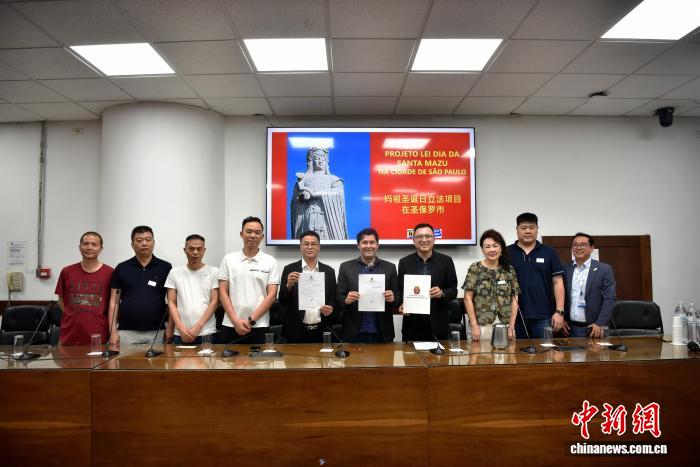
巴西圣保罗推进“妈祖”纪念日纳入官方活动日历
Zhong Guo Xin Wen Wang· 2025-12-18 00:04
Core Viewpoint - The proposal to include "Mazu Memorial Day" in the official calendar of São Paulo aims to promote Mazu culture and recognize its significance within the city [1][3]. Group 1: Legislative Proposal - São Paulo City Council member George Hardo submitted a legislative proposal to establish "Mazu Memorial Day" as an official holiday, to be celebrated on the corresponding Gregorian date of the Chinese lunar calendar's "March 23," which marks Mazu's birthday [1][3]. - The proposal suggests that this holiday be included in the official activities calendar of São Paulo, making it one of the city's legal holidays [1]. Group 2: Cultural Significance - Mazu, originally named Lin Mo, was born in 960 AD in Putian, Fujian, and is revered for her spirit of "virtue, kindness, and great love" after her tragic death while saving fishermen in 987 AD [3]. - The Mazu belief system was recognized as a UNESCO Intangible Cultural Heritage in 2009, with over 11,000 Mazu temples preserved across 50 countries and regions, and more than 300 million followers worldwide [3]. Group 3: Community Impact - George Hardo emphasized that Mazu symbolizes protection, unity, faith, and care for others, highlighting the contributions of the Chinese community in São Paulo to the city's economic, social, and cultural development [3]. - The proposal is seen as a significant step in promoting traditional Chinese culture within Brazilian mainstream society, according to Yang Zhifang, president of the Brazilian Mazu Cultural Exchange Association [3].
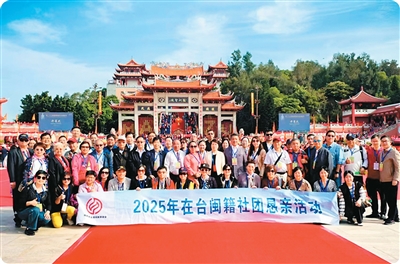
寻根山水话乡情
Ren Min Ri Bao Hai Wai Ban· 2025-11-08 02:24
Group 1 - The event titled "Seeking Roots in Fujian Mountains and Waters: Discussing Hometown Feelings" was held in Fujian, focusing on strengthening ties between Taiwan and Fujian through cultural exchanges and discussions on shared heritage [1][2] - Approximately 50 guests from over 40 Taiwanese organizations participated in the event, visiting cities such as Xiamen, Zhangzhou, Quanzhou, and Putian [1][3] - The event included performances and discussions centered around Mazu culture, emphasizing the emotional connections and cultural heritage shared between the two regions [1][2] Group 2 - The event was guided by the National Taiwan Federation and co-hosted by the Fujian Overseas Friendship Association and the Fujian Taiwan Federation, marking its third successful iteration as a significant platform for cross-strait exchanges [3] - Participants engaged in cultural activities, including the 27th Mazu Cultural Tourism Festival, highlighting the historical significance and shared beliefs surrounding Mazu [2][3] - Fujian officials expressed a commitment to fostering mutual benefits and deeper connections between Taiwan and Fujian, encouraging more Taiwanese compatriots to visit and collaborate [2][5]
第十届世界妈祖文化论坛在福建莆田开幕
Zhong Guo Zi Ran Zi Yuan Bao· 2025-11-04 01:25
Core Points - The 10th World Mazu Culture Forum opened on November 2 in Meizhou Island, Putian City, Fujian Province, with a focus on cultural heritage and its role in promoting peace and mutual understanding among different civilizations [1][2] - The forum is co-hosted by multiple governmental and cultural organizations, emphasizing the importance of Mazu culture as a valuable cultural heritage of the Chinese nation [1] - The theme of the forum is "Great Love and Peace: Civilizational Mutual Learning," with an annual focus on "Shared Destiny and Harmonious Coexistence" [1] Group 1 - Su Hui, Vice Chairman of the National Committee of the Chinese People's Political Consultative Conference, highlighted the significance of cultural heritage and its alignment with socialist core values, stating that Mazu culture embodies the spirit of "virtue, kindness, and great love" [1] - The forum aims to promote the creative transformation and innovative development of Mazu culture, fostering dialogue and mutual learning among different civilizations to enhance understanding and contribute to building a community with a shared future for humanity [1][2] Group 2 - Key figures such as Zhou Zuyi, Secretary of the Fujian Provincial Committee, and Sun Shuxian, Deputy Minister of Natural Resources, attended the forum and delivered speeches [2] - The Ministry of Natural Resources expressed its commitment to supporting the development of marine culture and enhancing the protection of marine cultural heritage, while promoting initiatives like the "Mazu Storm Surge" and "Mazu Tsunami" forecasting models [2] - The forum included the naming ceremony for the "Mazu" marine satellite and the release of the marine culture blue book titled "China Marine Culture Development Report (2025)" [2]
以妈祖文化为主题的中国画展在新加坡举办
Xin Hua Wang· 2025-10-27 08:21
Core Viewpoint - A themed Chinese painting exhibition focusing on Mazu culture is being held at the Thian Hock Keng Temple in Singapore, showcasing 120 works by contemporary Chinese artist Lu Qiao, highlighting Mazu stories and various artistic themes [1] Group 1: Exhibition Details - The exhibition features 120 artworks by Lu Qiao, covering themes such as Mazu stories, landscapes, flowers and birds, and celestial figures [1] - The exhibition coincides with the centenary celebration of the Thian Hock Keng Temple, which is a significant site for the Chinese community in Singapore to worship Mazu [1] - The exhibition runs until October 27 [1] Group 2: Artist Background - Lu Qiao is recognized as a powerful figure in contemporary Chinese painting, with a strong foundation in Tang and Song dynasty artistic traditions [1] - His works are noted for their classical depth and fresh elegance, particularly his series depicting Mazu and celestial figures [1] Group 3: Cultural Significance - Mazu, originally named Lin Mo, is revered as the "Goddess of the Sea" for her legendary acts of helping the needy and rescuing those in maritime distress [1] - The exhibition is part of a series of celebratory activities that include traditional temple rituals, cultural performances, and academic discussions [1]