教育兴国

Search documents
潮声里的文明
Xin Lang Cai Jing· 2026-01-09 00:11
Core Perspective - The articles collectively highlight the deep connection between the coastal culture of Fujian and the sea, emphasizing the historical significance of maritime trade, cultural exchange, and the enduring spirit of resilience and innovation among the people of Fujian [1][2][3][4][5][6][7][8][9]. Group 1: Historical Significance - Fujian's coastline, over 3,000 kilometers long, is the second longest in China and the most convoluted, reflecting its rich maritime history [1]. - The region was a starting point for the Maritime Silk Road, facilitating trade and cultural exchange between East and West during the Song and Yuan dynasties [2]. - Zheng He's voyages in the early 15th century marked the peak of maritime trade, showcasing the region's shipbuilding prowess and its role in global commerce [2][3]. Group 2: Cultural Identity - The Mazu culture serves as a vital cultural link for Chinese communities connected by the sea, symbolizing protection and guidance for fishermen and traders [4]. - The stories of historical figures like Zheng Chenggong and Chen Jiageng illustrate the deep-rooted maritime spirit and the commitment to national pride and education among the people of Fujian [5][6][7]. Group 3: Economic Development - The historical significance of ports like Taiping Port and modern developments in Xiamen Port highlight the evolution of Fujian's maritime economy, with Xiamen now ranking as the 11th most important port globally [7][8]. - The entrepreneurial spirit of Fujian's people is exemplified by Chen Jiageng, who transformed his business success into educational initiatives, fostering a culture of investment in human capital [7]. Group 4: Maritime Spirit - The articles emphasize a maritime spirit characterized by courage, resilience, and a sense of community, as seen in the traditions of fishermen and traders who respect the sea while pursuing their livelihoods [3][4][5][6]. - The concept of "海纳百川" (the sea accepts all rivers) encapsulates the inclusive and open-minded nature of Fujian's coastal culture, promoting harmony and collaboration [2][4].
(活力中国调研行)昔日张澜救国厂 “丝绸源点”绣新章
Zhong Guo Xin Wen Wang· 2025-09-05 12:32
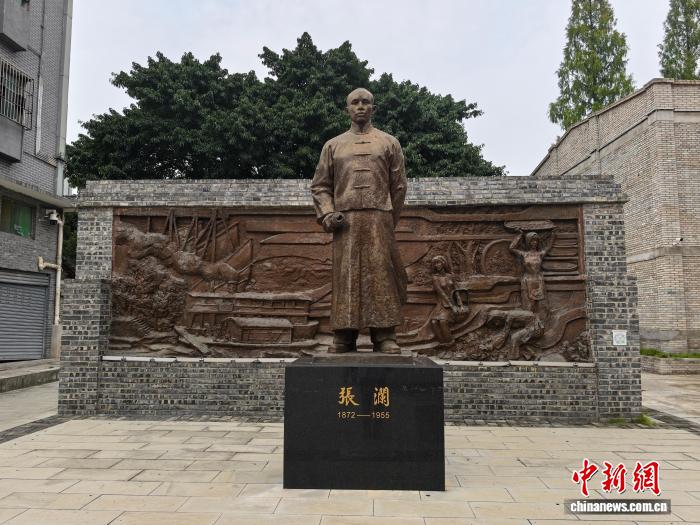
Core Viewpoint - The article highlights the historical significance and modern transformation of the Liuhe Silk Factory in Nanchong, Sichuan, emphasizing its role in the silk industry and cultural heritage, as well as its ongoing efforts to attract tourism and educate the younger generation about silk culture [1][4][9]. Group 1: Historical Significance - Liuhe Silk Factory, once the largest silk enterprise in Asia, has a history of over a century and is now part of the Liuhe Silk Cultural Park, which spans approximately 30,000 square meters [1][4]. - The park features a historical building called "Liuhe Courtyard," established in the 1920s, which has been renovated into a cultural museum [1][3]. - Zhang Lan, the founder of the factory, is commemorated with a statue, and his contributions to the silk industry and education are highlighted [3][4]. Group 2: Cultural and Economic Impact - The region of Nanchong has been recognized as a "Silk Capital" and "Silk Origin Point" due to its historical significance in silk production [4][6]. - The Liuhe Silk Factory has adapted to modern times by transforming old factory buildings into exhibition spaces and cafes, while also promoting traditional crafts like tie-dye and embroidery [6][7]. - In 2024, the Liuhe Silk Cultural Park is expected to receive 1.203 million visitors, generating a total tourism revenue of 1.36 billion RMB, with the Liuhe Group contributing 70 million RMB [7][9]. Group 3: Future Development - The Liuhe Silk Factory plans to develop a cultural industry park centered around Zhang Lan's legacy and the factory's history, aiming to engage more young people both domestically and internationally [9].