海洋文明

Search documents
潮声里的文明
Xin Lang Cai Jing· 2026-01-09 00:11
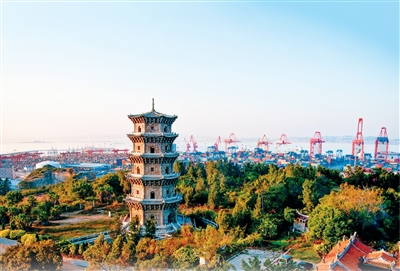
Core Perspective - The articles collectively highlight the deep connection between the coastal culture of Fujian and the sea, emphasizing the historical significance of maritime trade, cultural exchange, and the enduring spirit of resilience and innovation among the people of Fujian [1][2][3][4][5][6][7][8][9]. Group 1: Historical Significance - Fujian's coastline, over 3,000 kilometers long, is the second longest in China and the most convoluted, reflecting its rich maritime history [1]. - The region was a starting point for the Maritime Silk Road, facilitating trade and cultural exchange between East and West during the Song and Yuan dynasties [2]. - Zheng He's voyages in the early 15th century marked the peak of maritime trade, showcasing the region's shipbuilding prowess and its role in global commerce [2][3]. Group 2: Cultural Identity - The Mazu culture serves as a vital cultural link for Chinese communities connected by the sea, symbolizing protection and guidance for fishermen and traders [4]. - The stories of historical figures like Zheng Chenggong and Chen Jiageng illustrate the deep-rooted maritime spirit and the commitment to national pride and education among the people of Fujian [5][6][7]. Group 3: Economic Development - The historical significance of ports like Taiping Port and modern developments in Xiamen Port highlight the evolution of Fujian's maritime economy, with Xiamen now ranking as the 11th most important port globally [7][8]. - The entrepreneurial spirit of Fujian's people is exemplified by Chen Jiageng, who transformed his business success into educational initiatives, fostering a culture of investment in human capital [7]. Group 4: Maritime Spirit - The articles emphasize a maritime spirit characterized by courage, resilience, and a sense of community, as seen in the traditions of fishermen and traders who respect the sea while pursuing their livelihoods [3][4][5][6]. - The concept of "海纳百川" (the sea accepts all rivers) encapsulates the inclusive and open-minded nature of Fujian's coastal culture, promoting harmony and collaboration [2][4].
宁波八千年向海而兴(上新了)
Ren Min Ri Bao· 2025-11-14 22:03
Core Viewpoint - The exhibition "From Ancient Fishing Village to International Port City: The Marine Gene in Ningbo Archaeology" showcases the rich maritime culture and history of Ningbo, highlighting its significance as a key hub in the Maritime Silk Road and its development over 8,000 years of maritime civilization [4][5][7]. Summary by Sections Exhibition Overview - The exhibition features three main thematic units and hundreds of artifacts, presenting a comprehensive view of Ningbo's maritime civilization from prehistoric times to the present [4][5]. Historical Significance - Ningbo is emphasized as an important source of Chinese maritime culture and a critical port in the Maritime Silk Road, reflecting the spirit of exploration and resilience of its people [5][7]. Archaeological Findings - Systematic excavations at sites like Jingtoushan, Hemudu, and Tianshuishan have revealed early practices of maritime utilization by Ningbo's ancestors, including a 35 cm wooden boat model from the Hemudu culture, indicating seafaring activities dating back approximately 7,000 years [5][6]. Notable Artifacts - The exhibition includes significant artifacts such as a bronze axe from the Warring States period, which depicts a maritime scene, suggesting the early development of Ningbo's port settlements and the importance of maritime activities in societal progress [5][6]. - A Tang Dynasty celadon tea bowl and a Goryeo Dynasty long-necked vase are highlighted as examples of Ningbo's role in international trade and cultural exchange, showcasing the region's craftsmanship and its connections with Korea [6]. Cultural Legacy - The exhibition illustrates Ningbo's deep-rooted cultural connection to the sea, presenting a 70-year timeline of archaeological discoveries that trace the city's maritime history and its ongoing relationship with the ocean [7].


暑期来国家海洋博物馆,见证海洋传奇丨自然资源探馆系列③
Zhong Guo Zi Ran Zi Yuan Bao· 2025-08-19 11:09
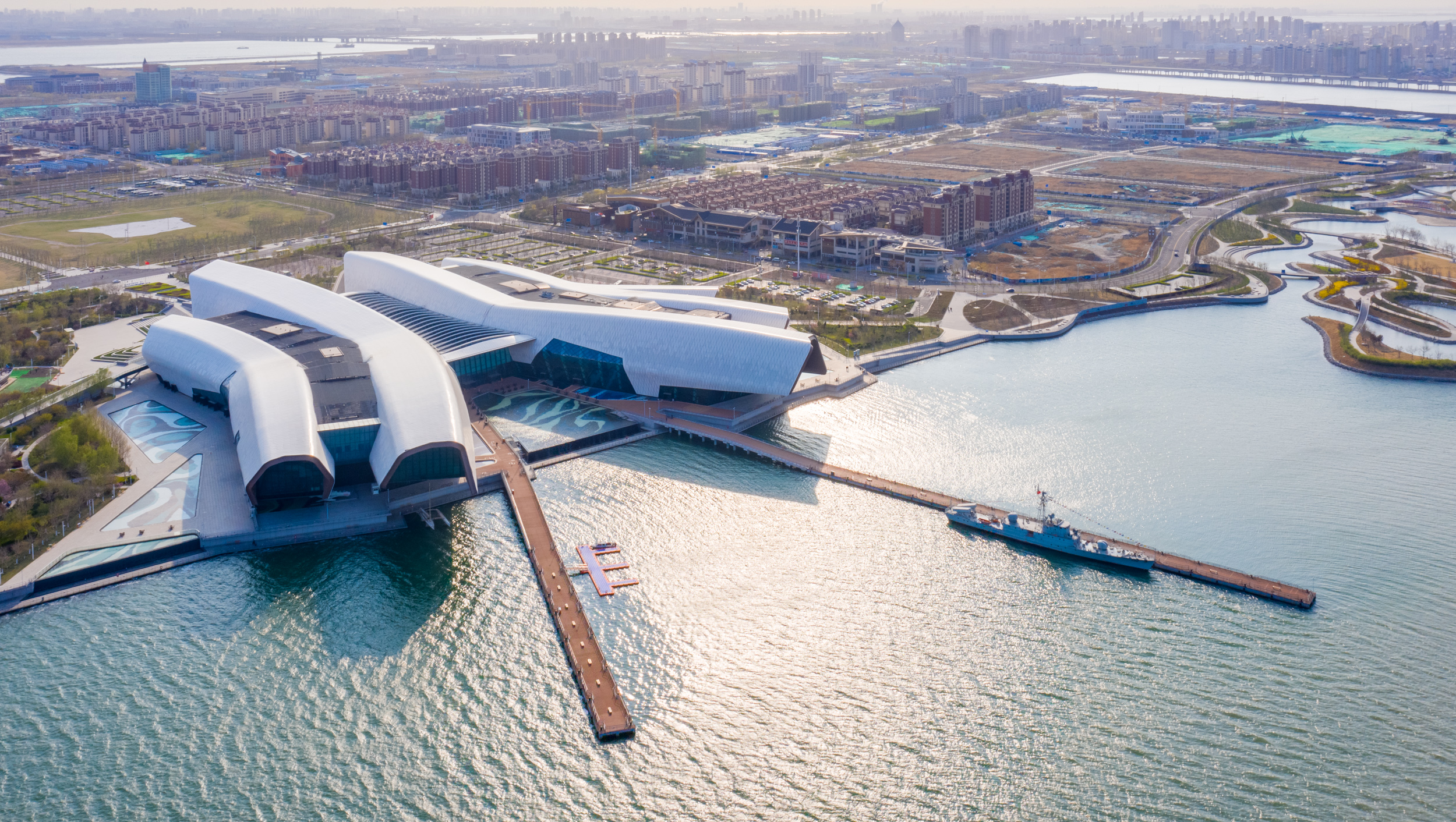
Core Insights - The National Ocean Museum in Tianjin serves as China's first national comprehensive marine museum, symbolizing the nation's aspiration to strengthen its maritime capabilities and cultural identity [2][19][21] - The museum features a collection of 39,000 artifacts, including cultural relics, fossils, and biological specimens, making it unique among marine museums in China [5][6] - The museum's design and exhibition layout emphasize the relationship between humanity and the ocean, showcasing historical and contemporary maritime achievements [9][22] Collection and Exhibits - The museum houses a diverse collection that includes artifacts from various historical periods, such as Neolithic pottery and Ming dynasty cannons, reflecting China's maritime history [6][22] - Biological specimens, including fossils of ancient marine creatures and preserved specimens of modern marine life, provide insights into marine biodiversity [6][10] - The museum employs a smart collection management system to ensure the safety and efficiency of artifact preservation [6] Educational Initiatives - The museum aims to make marine knowledge accessible to all, featuring a 3,000 square meter education center with programs for all age groups [18] - Collaborations with schools and universities enhance educational outreach, offering hands-on learning experiences related to marine science [18][19] - The museum utilizes digital platforms for knowledge dissemination, including social media and interactive applications [18] Visitor Engagement - Since its opening in May 2019, the museum has attracted over 13 million visitors, becoming a key cultural landmark in the Beijing-Tianjin-Hebei region [23] - The museum offers interactive experiences, such as a marine disaster simulation hall, to engage visitors in understanding oceanic phenomena [10][19] - Outdoor activities, including sailing experiences, are integrated into the museum's offerings to promote a deeper connection with the ocean [22]
明星们“种草”的海鲜饺子,何以让人“一口沦陷”?
Qi Lu Wan Bao· 2025-08-04 03:28
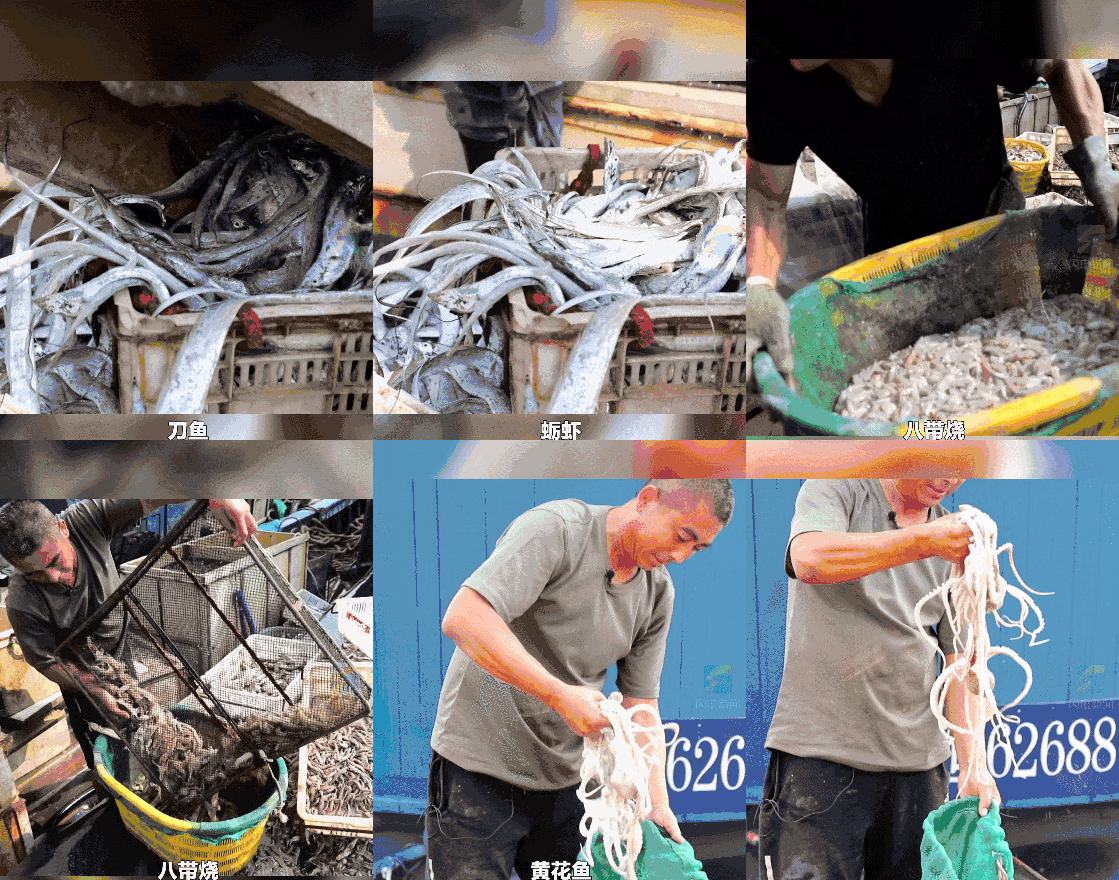
Core Perspective - The article highlights the unique culinary experience of seafood dumplings in Qingdao, emphasizing their rich flavors and cultural significance. Group 1: Flavor Profile - The seafood dumplings encapsulate the essence of the sea, with a variety of fillings including common seafood like mackerel and clams, as well as rarer options like sea urchin and abalone [1][6] - The flavor experience is described in three stages: the initial fresh taste of the sea, the salty depth representing the ocean's character, and a sweet finish that reflects the harmony between land and sea [2][5][7] Group 2: Craftsmanship - The preparation of seafood dumplings is portrayed as an art form, requiring meticulous attention to detail and respect for the ingredients [8][10] - The process involves careful selection and preparation of seafood, highlighting the importance of skill and tradition in creating authentic flavors [12][14] Group 3: Cultural Significance - Seafood dumplings are presented as a cultural artifact, embodying the maritime heritage and agricultural practices of the Qingdao region [15][16] - The dumplings serve as a medium for expressing gratitude towards the sea, reflecting local customs and the community's relationship with marine resources [20] Group 4: Technological Advancements - Advances in marine science and aquaculture have made seafood more accessible, transforming previously expensive ingredients into everyday options for consumers [21][23] - The ongoing development in deep-sea aquaculture signifies a shift towards sustainable practices, enhancing the availability of seafood for local cuisine [23][24]
认识海洋,才能经略海洋
Ren Min Ri Bao· 2025-07-10 22:52
Group 1 - The article emphasizes the significance of the ocean in shaping human civilization and its role in development, connectivity, and life on Earth [1] - It highlights China's unique position as a country with both land and sea civilizations, and the historical integration of marine culture with agricultural and nomadic cultures [1] - The publication "Marine Culture Eighteen Lectures," edited by Academician Dai Minhan, aims to systematically introduce marine knowledge and culture, emphasizing the ocean's profound impact on human society [1] Group 2 - The article discusses the evolution of marine observation and research methods, illustrated by the search for the Titanic wreck and the successful descent of the "Fendouzhe" manned submersible in the Mariana Trench [2] - It addresses the economic value of the ocean, from fishing to tourism, and the concept of "sustainable blue economy" in the context of global challenges [2] - The book aims to enhance understanding of marine culture and values, fostering interdisciplinary thinking and global perspectives to inspire innovation and proactive engagement with the ocean [2]