
守护和平

Search documents
纪念是为了守卫
Xin Lang Cai Jing· 2025-12-26 16:59
Group 1 - The year 2025 marks significant anniversaries related to the Chinese People's War of Resistance against Japanese Aggression, including the 80th anniversary of victory and the 40th anniversary of the Nanjing Massacre Memorial Hall [5] - The commemoration of the 80th anniversary includes a grand military parade to honor the sacrifices made by ancestors for national peace and security [6] - On December 13, the National Day of Mourning for Nanjing Massacre Victims, the Central Archives released declassified documents from the Soviet Union confirming that Japan's biological warfare was a systematic state crime [6] Group 2 - A photo exhibition titled "Do Not Deviate from the Truth" was held in Tokyo by a French youth, showcasing evidence of atrocities committed by Japanese troops during World War II [6] - The historical narrative serves as a reminder of the suffering caused by war and emphasizes the importance of peace, not to perpetuate hatred but to honor the memories of those lost [6]


各地举行国家公祭日悼念活动 悼念南京大屠杀遇难同胞
Yang Guang Wang· 2025-12-14 01:23
Group 1 - The National Memorial Day for the Nanjing Massacre victims was observed across various locations, emphasizing the importance of remembering history to draw strength for the future [1][2] - Over 100 participants, including students and staff from Harbin universities and schools, paid tribute to the victims of Japanese atrocities by offering white chrysanthemums and observing a moment of silence [1] - The activities aimed to promote historical awareness and encourage individuals to become guardians of peace and truth [1] Group 2 - Students from Harbin Institute of Technology expressed the significance of peace and the weight of historical remembrance, emphasizing the need for proactive actions to protect peace [2] - In Huainan, over 200 representatives participated in a memorial event at the Datong Mass Grave Education Museum, highlighting the tragic history of over 17,000 miners who died during the Japanese occupation [2] - The local community leaders stressed the importance of remembering history as a means to prevent the repetition of past tragedies and to contribute to national rejuvenation [2] Group 3 - In Yan'an, nearly 300 representatives from local universities and communities gathered to honor fallen martyrs, reinforcing the dual purpose of the National Memorial Day as both a remembrance of the past and a motivation for future efforts [3] - The event served as a reminder for all Chinese people to strive for the great rejuvenation of the Chinese nation [3]
特写:铭记历史 守护和平
Xin Hua She· 2025-12-13 15:46
Core Viewpoint - The article emphasizes the importance of remembering historical events, specifically the Pingdingshan Massacre, to safeguard peace and promote awareness of past atrocities [2][3][4]. Group 1: Historical Context - The Pingdingshan Massacre occurred on September 16, 1932, where over 3,000 villagers were killed by Japanese troops in a brutal attack [3]. - The massacre is recognized as a significant crime against humanity, shocking the world at the time [3]. Group 2: Memorial Activities - A memorial event was held on December 13, where representatives from various sectors gathered to pay respects to the victims [2][6]. - The Pingdingshan Memorial Hall has seen a 35% increase in visitors compared to the previous year, indicating a growing interest in this historical event [5]. Group 3: Survivor Accounts and Legal Actions - Survivors of the massacre, such as Fang Surong, have fought legal battles against the Japanese government to seek acknowledgment and reparations, although these efforts have largely been unsuccessful [4]. - The legal proceedings, despite ending in failure, have contributed to raising awareness of the historical facts surrounding the massacre [4]. Group 4: Educational Initiatives - Students from Fushun Vocational and Technical College expressed their commitment to educating future generations about the massacre to ensure that history is not forgotten [5]. - The memorial hall conducts annual activities on National Memorial Day for the Nanjing Massacre victims to further promote historical awareness and peace [6].
从胜利日到公祭日——一名仪仗兵的铿锵脚步
Xin Hua She· 2025-12-13 15:29
Core Viewpoint - The article highlights the significance of commemorating historical events, particularly the Nanjing Massacre, through the experiences of a ceremonial soldier, Liu Jiawei, who participates in various memorial and victory ceremonies, reflecting on the importance of remembering history to safeguard peace and honor the sacrifices of the past [2][3][8]. Group 1: Historical Commemoration - Liu Jiawei participated in significant events such as the 80th anniversary of the victory in the Great Patriotic War and the Nanjing Massacre memorial, marking a deep connection between past sacrifices and present duties [2][3]. - The Nanjing Massacre memorial site serves as a poignant reminder of the atrocities faced, with the soldier's experiences emphasizing the emotional weight of these historical events [3][4]. Group 2: Personal Reflection and Duty - Liu Jiawei expresses a mix of happiness and sorrow during these commemorative events, indicating the emotional complexity of honoring history while fulfilling his role as a soldier [3][6]. - The soldier's reflections on his experiences, including the solemnity of the memorial and the pride of participating in national ceremonies, illustrate the duality of joy and grief in remembering the past [5][6]. Group 3: National Identity and Legacy - The article emphasizes the role of young soldiers like Liu Jiawei in carrying forward the legacy of historical events, highlighting their commitment to peace and remembrance as a national duty [4][8]. - The participation of the ceremonial unit in international events showcases China's diplomatic presence and the importance of historical memory in shaping national identity [8].
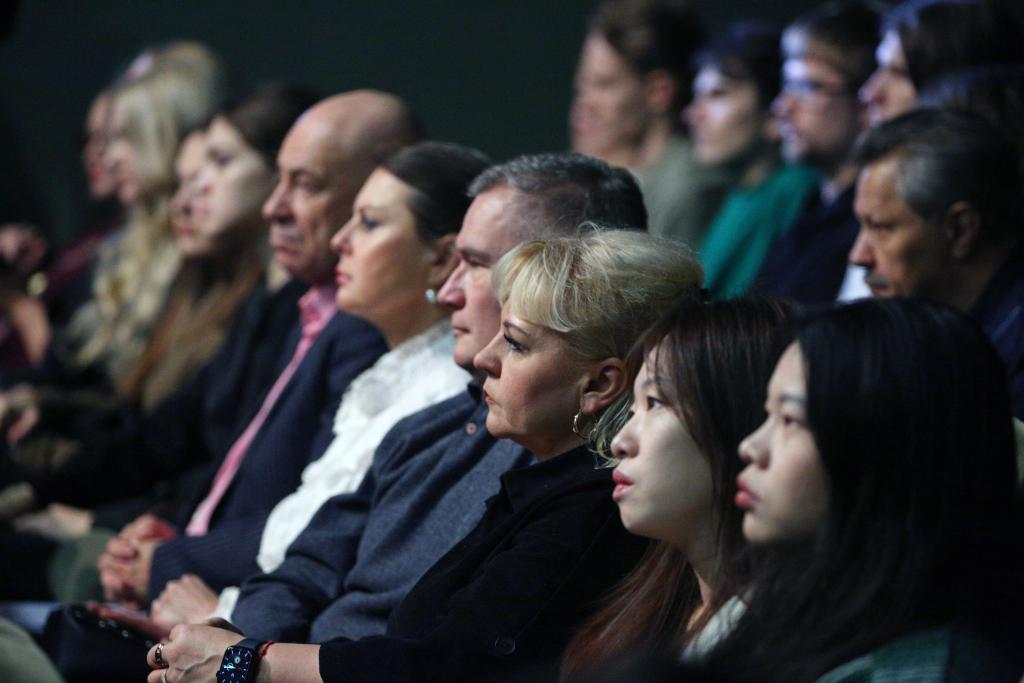
铭记历史,才能避免悲剧重演——中国电影《南京照相馆》在白俄罗斯首映
Xin Hua Wang· 2025-12-13 11:49
Core Viewpoint - The Chinese film "Nanjing Photo Studio," based on the Nanjing Massacre, premiered in Belarus, resonating strongly with local audiences and emphasizing the importance of remembering history to prevent tragedies from recurring [1][3]. Group 1: Audience Reactions - Belarusian director Vera Tkachenko expressed deep emotional impact after watching the film, highlighting the heavy theme and the need to remember the painful history of the Nanjing Massacre [3]. - Minsk city council member Vadim Borovik, who visited the Nanjing Massacre Memorial, noted the shared historical memory between Belarus and China, which fosters a strong connection to the film [4]. - Igor Ganchelyonok, vice-chairman of the Belarusian Association for Friendship with Foreign Countries, emphasized the need for artistic exchanges between Belarus and China to better understand and preserve historical truths [6]. Group 2: Historical Context - The film's screening included a video contrasting the devastated Nanjing of 1937 with the prosperous Nanjing of 2025, symbolizing the resilience and revival of the Chinese nation [3]. - Approximately one-third of the Belarusian population perished during World War II, creating a shared sense of pain and empathy towards the suffering depicted in the film [6]. - The Chinese ambassador to Belarus, Zhang Wenchuan, expressed a commitment to safeguarding historical truths and promoting peace alongside Belarus and the international community [6].

铭记历史,守护和平,决不允许历史悲剧重演
Zhong Guo Xin Wen Wang· 2025-12-13 05:16
Core Viewpoint - The article commemorates the Nanjing Massacre, emphasizing the importance of remembering this historical tragedy to prevent future occurrences and promote peace [1] Group 1 - The Nanjing Massacre, which began on December 13, 1937, resulted in over 300,000 casualties and widespread atrocities, marking a dark chapter in human history [1] - The inclusion of the Nanjing Massacre archives in UNESCO's Memory of the World Register in October 2015 signifies its recognition as a collective memory of humanity [1] - The phrase "永矢弗谖,祈愿和平" inscribed on the national memorial for the victims serves as a timeless pledge to remember the past and strive for peace [1] Group 2 - The article highlights China's historical sacrifices and contributions to the global anti-fascist struggle, reinforcing its commitment to safeguarding peace as a responsible major power [1] - The narrative stresses that remembering the past is not about harboring hatred but about protecting truth and conscience [1]
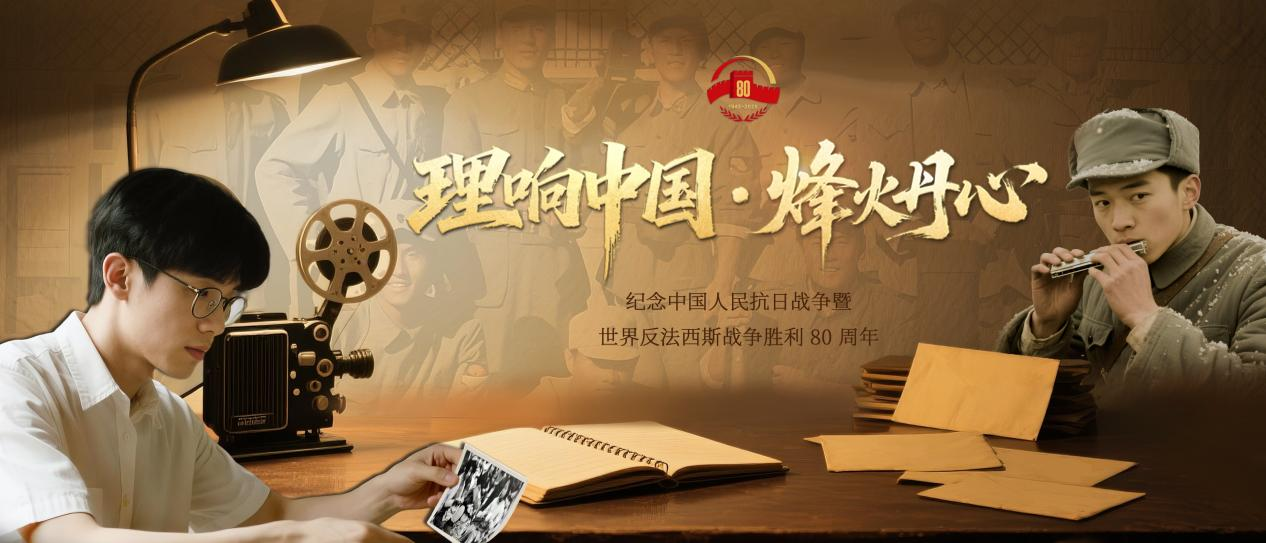
理响中国·烽火丹心丨不能忘不敢忘!她说要让历史永远被铭记
Yang Guang Wang· 2025-12-13 02:11
Group 1 - The article highlights the significance of the purple gold grass (Zijin grass) as a symbol of friendship and peace, particularly in the context of the Nanjing Massacre and its historical remembrance [1] - It recounts the personal story of 96-year-old Xia Shuqin, a survivor of the Nanjing Massacre, who has dedicated her life to seeking justice for the victims, emphasizing the importance of remembering history to protect peace [1] - The narrative illustrates the transmission of historical memory through Xia Shuqin's family, with her granddaughter and great-grandson actively participating in educating others about this painful history [1] Group 2 - The article also mentions the launch of a series of micro-videos titled "Rising China: The Fire of Patriotism," which utilizes digital technology to recount the history of the Chinese People's War of Resistance against Japanese Aggression and the global anti-fascist struggle [3] - The series aims to promote the spirit of resistance and encourage collective remembrance as a means to move towards a better future [3]
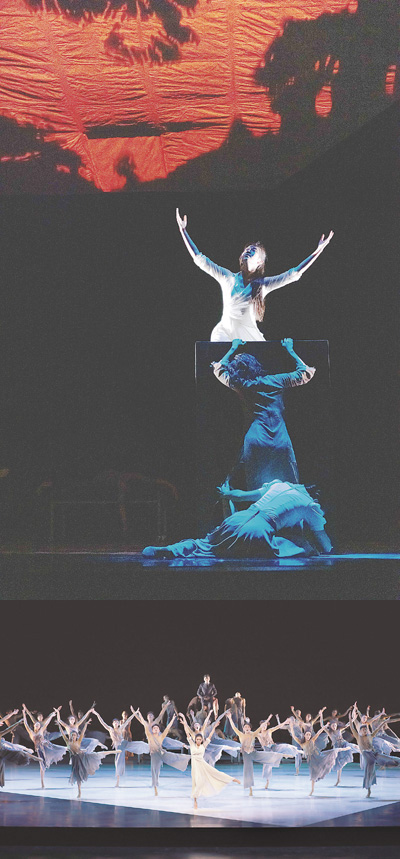
记忆深处 历史永存
Ren Min Ri Bao· 2025-12-11 22:11
Core Viewpoint - The dance drama "Memory Deep" serves as a poignant artistic expression to commemorate the victims of the Nanjing Massacre, emphasizing the importance of remembering historical atrocities to prevent their recurrence [3][11]. Summary by Sections Historical Context and Creation - The dance drama is inspired by the historical events of the Nanjing Massacre in 1937, highlighting the atrocities committed by Japanese invaders and the efforts of international friends who protected the victims [3][4]. - Zhang Chunru, a key figure in raising awareness about the Nanjing Massacre, published "The Nanjing Massacre" in 1997, which became the first comprehensive English account of the event, significantly impacting global understanding [3][4]. Artistic Expression - "Memory Deep" does not follow a traditional act structure but instead uses the character of Zhang Chunru to interact with historical figures, conveying the emotional weight of the massacre through physical movement and storytelling [4][5]. - The choreography reflects the pain and struggles of various characters, including the "guardians" who tried to protect civilians, the "survivors" who fought back, and the "perpetrators" grappling with guilt [4][5]. International Reception and Impact - The international version of "Memory Deep" premiered in Paris, receiving high acclaim and drawing attention to the Nanjing Massacre, thereby fostering a deeper understanding of this historical tragedy among global audiences [7][9]. - The production aims to convey a universal message of peace and the importance of remembering history, resonating with audiences and prompting reflections on the consequences of war [9][11]. Collaboration and Understanding - The collaboration involved foreign dancers who were educated about the historical context through original diaries and visits to memorial sites, enhancing their performances with a deeper emotional connection to the material [10][11]. - The production emphasizes the need for collective remembrance and the role of art in addressing historical injustices, aiming to build a community that values peace and mutual support [11][12].
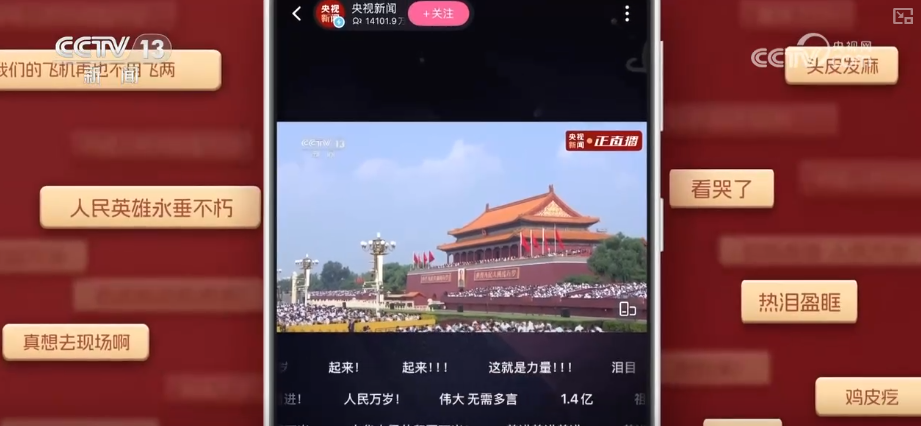
“热泪盈眶”“英雄”“牺牲”“太科幻了”……180秒解锁那些燃情时刻
Yang Shi Wang· 2025-09-04 10:21
Core Viewpoint - The online engagement during the commemoration event on September 3 was unprecedented, with over a billion users participating and 330,000 interactions per minute, reflecting a strong emotional connection among viewers [1][3]. Group 1: Audience Engagement - User activity related to the military parade topics surged to three times the highest value from the previous day at the start of the event [3]. - Comments in the live stream showcased intense emotions, with phrases like "the blood boils when hearing military songs" and expressions of regret for not being able to attend in person [4]. - The atmosphere shifted from excitement to solemnity when images of war veterans appeared, prompting reflections on history and personal connections to ancestors [6][8]. Group 2: Emotional Resonance - The frequency of terms like "hero" and "sacrifice" in media interactions doubled during the event, indicating a deep emotional impact [9]. - The comments reflected a collective identity and memory, with viewers seeing their own familial and historical narratives in the event [11]. - As the equipment parade began, reactions shifted to surprise and curiosity, with viewers expressing a mix of awe and confusion about advanced military technology [13][15]. Group 3: Global Perspective - The event garnered international attention, with over 1,500 reports published in multiple languages by foreign media by 2 PM on September 3 [17]. - Global social media users expressed admiration and respect, transcending political stances [19]. - The shared sentiments in the comments section highlighted a cross-cultural understanding and respect, emphasizing the importance of remembering history and safeguarding peace for a shared future [21].
新华社与塔斯社联合举办摄影展 纪念中国人民抗日战争暨世界反法西斯战争胜利80周年
Xin Hua She· 2025-09-02 15:26
Core Viewpoint - The photography exhibition "Immortal Merits, Eternal Memory" commemorates the 80th anniversary of the victory in the Chinese People's Anti-Japanese War and the World Anti-Fascist War, showcasing the significant contributions of China and the Soviet Union during World War II [1] Group 1 - The exhibition features over 50 precious photographs taken by reporters from Xinhua and TASS, highlighting historical moments that contributed to the victory in World War II [1] - The exhibition is held at the National Financial Information Building and will be open to the public until September 9 [1] - Xinhua President Fu Hua expressed a desire to deepen cooperation with TASS to promote a correct view of World War II history and to tell stories of Sino-Russian friendship [1] Group 2 - TASS President Kondrashov emphasized the importance of remembering the sacrifices made by both countries and the need for resilience and unity in facing global challenges [1] - Natalia, the Minister-Counselor of the Russian Embassy in China, stated that the exhibition helps preserve and objectively present the historical truth of World War II, which is essential for maintaining peace and security [1]