
守正与创新

Search documents
一缕跨越百年的沁人茶香
Xin Lang Cai Jing· 2026-01-19 15:08
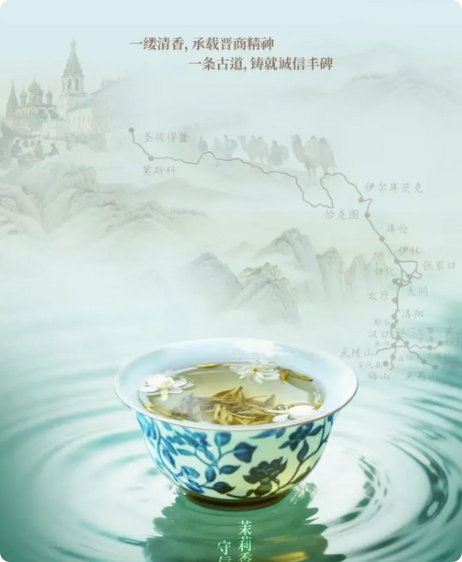
Core Viewpoint - The radio drama "Jasmine Fragrance" narrates the evolution of a century-old tea house, highlighting the transmission of traditional tea-making skills and the vitality of contemporary entrepreneurship, illustrating that "tradition" and "innovation" are complementary rather than opposing forces [1][2] Group 1: Narrative and Character Development - The drama features a dual narrative set in the Republic of China and modern times, effectively connecting the two eras through sound, allowing listeners to empathize with the characters' experiences [2] - The protagonist, Yan Meili, evolves from a strict tea taster to a manager who initially resists innovation, ultimately collaborating with her apprentice to develop new products, showcasing her transformation from a "guardian of technique" to an "innovative explorer" [1] - Supporting characters, such as Wu Yuanyuan, also undergo significant growth, illustrating the dynamic process of consensus-building and revitalization within a traditional team [1] Group 2: Artistic Expression and Cultural Transmission - The radio drama leverages sound design to create immersive experiences, using environmental sounds and the transition from quiet to bustling atmospheres to enhance the storytelling [2] - The non-visual nature of sound allows for imaginative representations of abstract concepts like "history" and "spirit," making the essence of Jinshang culture tangible for the audience [2] - "Jasmine Fragrance" emphasizes that contemporary dissemination of traditional culture requires not only adherence to core values but also innovative expression methods, blending historical narratives with vibrant modern characters [2]

守正与创新的辩证实践
Xin Lang Cai Jing· 2026-01-12 23:09
Core Insights - The article emphasizes the importance of balancing tradition and innovation in rural revitalization, highlighting that it is not merely a choice between the two but a dialectical practice that requires both elements to coexist [1][2][3] Group 1: Tradition and Authenticity - The essence of rural charm lies in preserving the soul of the village, as illustrated by the desire of visitors to experience local produce and scenery, rather than a sanitized tourist attraction [1] - New Cang Village chose to retain its authentic character, allowing local residents to remain, which fosters a genuine connection and inspires creativity among artists and visitors [1][2] Group 2: Innovation and Empowerment - The "two-eight model" implemented in New Cang Village effectively returns development and profit rights to the villagers, leading to grassroots innovation such as local restaurants and cafes [2] - The village has also introduced cultural elements like art galleries and educational bases, aiming to provide unique cultural value and deep experiences rather than just superficial visits [2] Group 3: Human-Centric Development - The driving force behind both tradition and innovation is the people, including village leaders and residents, whose beliefs and actions ultimately shape the village's future [2] - A genuine sense of belonging among the residents is crucial for sustaining the village's vitality and ensuring its continuous development [2][3]
丹青未老 文脉常新(艺坛走笔)
Ren Min Ri Bao· 2025-12-06 21:57
Core Viewpoint - The development of Chinese painting is increasingly emphasized in the context of growing cultural confidence, focusing on the inheritance of tradition, artistic theory research, and talent cultivation to strengthen the foundation for its transmission and development [1][2]. Group 1: Importance of Chinese Painting - Chinese painting, as a national treasure, embodies the spirit of Chinese aesthetics and is crucial for building a culturally strong nation [1]. - It plays a significant role in enhancing public aesthetic appreciation and serves as a vital medium for promoting Chinese culture globally [1]. Group 2: Innovation in Chinese Painting - The innovation of Chinese painting must be rooted in the spirit of Chinese art, emphasizing emotional expression through artistic language rather than mere realism [2]. - The integration of traditional "xieyi" (freehand brushwork) spirit with contemporary themes is essential for showcasing cultural tension and contemporary value in artistic creation [2][3]. Group 3: Artistic Language and Expression - Modern Chinese painting should transcend simple object imitation and transform social perceptions and life experiences into effective artistic language, emphasizing the beauty of intention and artistic conception [3]. - The essence of Chinese painting lies in its unique aesthetic system created by brush and ink, which requires a deep understanding of artistic spirit and a keen observation of reality [4]. Group 4: Challenges and Opportunities - Some contemporary Chinese paintings lack artistic tension due to insufficient understanding of brush and ink spirit, leading to superficial expressions [4]. - Continuous inquiry and response to contemporary themes are crucial for artistic progress, highlighting the importance of balancing tradition and innovation in the current diverse artistic landscape [4].