
晋商精神

Search documents
表里山河与晋商精神(经济地理杂谈)
Ren Min Ri Bao· 2026-01-28 00:56
Core Insights - The article highlights the historical significance of Shanxi merchants (Jin merchants) and their contributions to trade and finance in China, emphasizing their unique geographical advantages and innovative spirit [2][4][5]. Geographical Advantages - Shanxi's location serves as a natural hub for trade between northern pastoralists and central agricultural regions, facilitating the exchange of goods such as tea and livestock [3]. - The region's rich resources, including coal, iron, and salt, provided a solid foundation for commercial activities [3]. Historical Development - The rise of Jin merchants began in the early Ming Dynasty when the government allowed merchants to transport military supplies, leveraging Shanxi's proximity to the northern borders [4]. - The "走西口" (Zou Xikou) migration during the Qing Dynasty further stimulated the entrepreneurial spirit of Shanxi people, leading to the establishment of trade routes like the "万里茶道" (Ten Thousand Mile Tea Road) [4]. Financial Innovations - To address challenges in long-distance trade, Jin merchants developed a banking-like remittance system, with "日昇昌" (Ri Sheng Chang) being the first and most notable "票号" (piaohao) in China, which transformed them from mere traders to financial controllers [5]. - This innovation played a crucial role in the evolution of China's economic history, showcasing the adaptability and foresight of Jin merchants [5]. Modern Implications - The enduring spirit of Jin merchants continues to influence Shanxi's economic development, as the province seeks to transition from a resource-dependent economy to one that embraces new energy, new materials, and high-end manufacturing [5]. - The article suggests that the principles of openness and integrity inherent in Jin merchant culture remain relevant as Shanxi navigates its economic future [5].

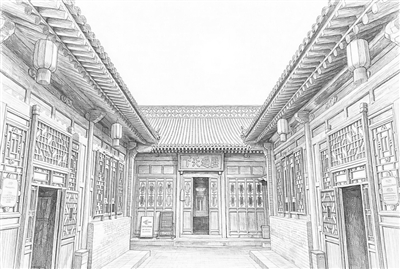
一缕跨越百年的沁人茶香
Xin Lang Cai Jing· 2026-01-19 15:08
Core Viewpoint - The radio drama "Jasmine Fragrance" narrates the evolution of a century-old tea house, highlighting the transmission of traditional tea-making skills and the vitality of contemporary entrepreneurship, illustrating that "tradition" and "innovation" are complementary rather than opposing forces [1][2] Group 1: Narrative and Character Development - The drama features a dual narrative set in the Republic of China and modern times, effectively connecting the two eras through sound, allowing listeners to empathize with the characters' experiences [2] - The protagonist, Yan Meili, evolves from a strict tea taster to a manager who initially resists innovation, ultimately collaborating with her apprentice to develop new products, showcasing her transformation from a "guardian of technique" to an "innovative explorer" [1] - Supporting characters, such as Wu Yuanyuan, also undergo significant growth, illustrating the dynamic process of consensus-building and revitalization within a traditional team [1] Group 2: Artistic Expression and Cultural Transmission - The radio drama leverages sound design to create immersive experiences, using environmental sounds and the transition from quiet to bustling atmospheres to enhance the storytelling [2] - The non-visual nature of sound allows for imaginative representations of abstract concepts like "history" and "spirit," making the essence of Jinshang culture tangible for the audience [2] - "Jasmine Fragrance" emphasizes that contemporary dissemination of traditional culture requires not only adherence to core values but also innovative expression methods, blending historical narratives with vibrant modern characters [2]
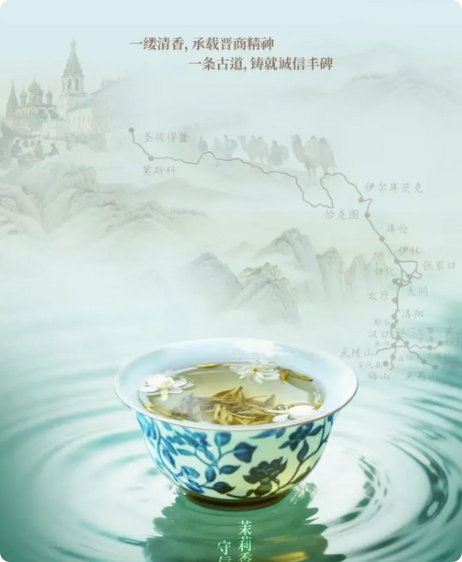
苏州市山西商会换届
Su Zhou Ri Bao· 2025-12-29 00:29
Core Viewpoint - The meeting of the Shanxi Chamber of Commerce in Suzhou highlighted the growing influence and cohesion of the chamber, which now has over 300 member enterprises across more than 30 industries, reflecting a strong community of approximately 400,000 Shanxi natives in Suzhou [1] Group 1 - The Shanxi Chamber of Commerce has been recognized with honors such as the "Four Good" Chamber of Commerce in Suzhou and a 5A social organization in Jiangsu Province, indicating its increasing recognition and effectiveness [1] - The meeting approved the work reports of the second council and supervisory board, revised the chamber's constitution, and elected a new third council and supervisory board, with Zhang Xin re-elected as the president [1] Group 2 - The Vice Chairman of the Municipal Political Consultative Conference emphasized the need for the new council to strengthen its role as a bridge, provide precise services to member enterprises, and enhance the business environment [1] - The chamber aims to integrate into the broader development of Suzhou while promoting the spirit of Shanxi merchants, encouraging the return of capital, talent, and projects to contribute to local development [1] - There is a focus on deepening economic and cultural cooperation between Suzhou and Shanxi, with an emphasis on social responsibility to inject new momentum into high-quality development in both regions [1]
弘扬晋商精神,以教育助力山西高质量发展
Xin Lang Cai Jing· 2025-12-24 20:50
Core Viewpoint - The article highlights the journey of Liang Yong, the founder of Beijing XinXueDao Education Group, who embodies the spirit of Jin merchants in his approach to education, focusing on quality and community development in Shanxi province [8][13][21]. Group 1: Background and Early Career - Liang Yong began his education career in a rural middle school in Shanxi, facing significant challenges but achieving remarkable results, transforming a low-performing class into one of the top three in the county within six months [9][10]. - He quickly rose through the ranks in the public education system, becoming a school principal and earning accolades as a provincial teaching expert by the age of 25 [10][11]. Group 2: Transition to Private Education - Liang Yong left the public education sector to pursue his vision of "new education," despite facing opposition from family and colleagues [10][11]. - He gained experience in private education by working in various roles in private schools in Shanxi and later in Beijing, where he became a recognized leader in the field [11][12]. Group 3: Establishment of XinXueDao - In 2011, Liang Yong co-founded Beijing XinXueDao Education Group, marking the beginning of his entrepreneurial journey in education [12]. - The group aims to provide high-quality education and has established a strong presence in Shanxi, focusing on community engagement and educational outreach [13][14]. Group 4: Impact on Shanxi Education - XinXueDao has opened or managed over ten schools in Shanxi, covering all educational stages and significantly improving local educational standards [15][18]. - The success of Beijing XinXueDao Jinzhong Academy has set a benchmark for quality education in the region, with students achieving high academic performance and participating in various competitions [14][15]. Group 5: Educational Philosophy and Curriculum - The "Learning Power Curriculum" emphasizes transforming students' learning methods and fostering independent learning and innovative thinking, aligning with the needs of Shanxi's economic transformation [15][16]. - XinXueDao incorporates a diverse curriculum that includes traditional subjects alongside character-building activities, such as martial arts and classic literature [16][18]. Group 6: Community and Social Responsibility - XinXueDao implements a "three-free" policy for teachers, ensuring free meals, accommodation, and education for their children, which helps retain quality educators [18][19]. - The organization actively supports underprivileged students and schools, demonstrating a commitment to social responsibility and community development [18][19]. Group 7: Leadership and Vision - Liang Yong's leadership is characterized by a strong commitment to integrating socialist core values into education, promoting integrity and responsibility among students [17][19]. - His educational mission focuses on nurturing not just students but entire families, reflecting the importance of community in education [19][20].
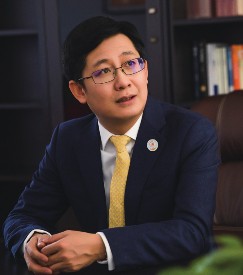
表里山河不老魂——晋商精神在当代资本市场的赓续和新生
Shang Hai Zheng Quan Bao· 2025-12-15 19:19
Group 1 - The article highlights the revival of the Jin merchant spirit in the context of modern business, emphasizing its influence on the development of listed companies and the regulatory framework in Shanxi's capital market [1][2] - Taiyuan Iron and Steel Co. (TISCO) is leading the stainless steel industry with innovations such as the industrialization of 0.015mm ultra-thin foil and the development of the world's thickest 150mm stainless steel plate, focusing on "material limit breakthroughs" and "key technology challenges" [1] - Guanyu Yuan, a time-honored brand, aims for double-digit growth in performance and profits by 2025, leveraging national secret prescriptions and intangible cultural heritage to strengthen its leadership in the premium traditional Chinese medicine sector [1] Group 2 - Shanxi Fenjiu is experiencing reverse growth during the deep adjustment period of the liquor industry, driven by its commitment to traditional brewing techniques and a cultural heritage that resonates with modern consumers [2] - The article emphasizes that these time-honored brands are becoming a driving force for Shanxi's transformation and upgrading, showcasing the enduring spirit of commercial civilization [2]
晋商精神遇上清香白酒,新晋商酒庄集团直播共谋商业新篇章
Sou Hu Cai Jing· 2025-08-26 08:44
Core Insights - The recent live streaming event hosted by Xinjinshang Winery Group focused on the theme of "True Fragrance," featuring discussions among industry leaders about the essence of modern business and the importance of relationships in commerce [1][3]. Group 1: Business Philosophy - Chairman Hou Qingquan emphasized that despite the evolution of business tools, the fundamental understanding of human nature remains unchanged, drawing parallels between Lei Jun's "user friend theory" and the Jinshang philosophy of "mutual coexistence" [1]. - The principle of integrity within the Jinshang spirit was highlighted, with historical examples illustrating the significance of reputation, aligning with Lei Jun's strategy of gaining user trust through fair pricing [1]. Group 2: Development Strategy - In discussing the development strategy for Fenxing Wine, Hou Qingquan stated that the brand will not pursue a "cheap version of clear fragrance wine" approach, instead introducing a "three exemptions policy" to attract new distributors, which includes waiving the first-year storage fees, sales team salaries, and tasting event costs [3]. - The goal is to ensure profitability for distributors while collectively restoring commercial glory, reflecting the traditional Jinshang wisdom of "losing money to gain trust" [3]. Group 3: Market Positioning - The second day of the live event focused on the theme "The Three Kingdoms of Clear, Strong, and Sauce," where Hou Qingquan elaborated on the deeper meaning of "True Fragrance," which encompasses not only the aroma of the wine but also the broad market prospects and a sincere attitude towards business [3]. - As a third-generation winemaker, Hou emphasized the importance of craftsmanship in winemaking, noting that Fenxing Wine adheres to ancient brewing techniques and strives for excellence in both raw materials and processes, which are the foundation of "True Fragrance" [3]. Group 4: Collaboration with Distributors - Hou Qingquan expressed a commitment to the Jinshang value of "taking some, leaving some," firmly opposing exploitative practices against distributors [5]. - Fenxing is considering adopting the Jinshang "stock salary system" to allow major distributors to transition from channel operators to business owners, fostering a closer partnership and shared interests [5]. - The company plans to implement various measures, such as the "three exemptions policy," an "open cloud warehouse system," and the establishment of customized Jinshang cultural experience zones to create a more favorable market environment for distributors [5].
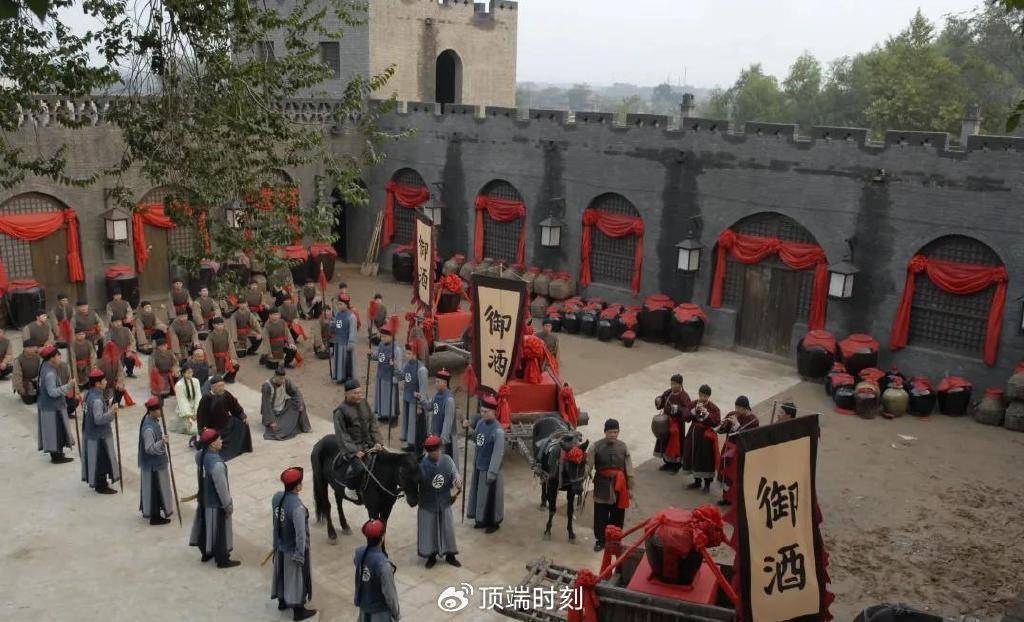
卢俊卿大型公益演讲《赢在下半场》太原开讲,晋商故里听“新声”
Cai Fu Zai Xian· 2025-08-06 01:29
Core Insights - The speech by Lu Junqing emphasizes the need for traditional business models to adapt to modern challenges, particularly for private enterprises in China [3][6] - The transformation of the private economy from a supplementary force to a mainstay of the economy is highlighted as crucial for China's economic stability [3] Group 1: Historical Context and Modern Challenges - Taiyuan, as the birthplace of Jin merchants, embodies a rich commercial legacy characterized by "goods connecting the world" [3] - Lu Junqing discusses the challenges faced by traditional manufacturing in the context of digital transformation, suggesting that sectors like energy and cultural tourism can leverage new opportunities in AI and health [3] Group 2: Strategies for Success - The concept of "collaborative win" and "integrating righteousness and profit" is aligned with the current shift from individualistic approaches to platform sharing among private enterprises [3] - Lu Junqing advocates for a shift from resource dependency to innovation-driven growth, emphasizing the importance of maintaining integrity while adapting business models [3] Group 3: Succession and Future Generations - The importance of passing down the spirit of Jin merchants to the next generation is stressed, with a focus on cultivating a global perspective and a sense of national responsibility [5] - The speech serves as a guide for local entrepreneurs to navigate the changing landscape, merging the century-old Jin merchant spirit with modern business acumen [6]
