宠物文旅

Search documents
锚定3000亿消费市场 北京多区竞逐宠物经济
Bei Jing Shang Bao· 2025-12-01 16:36
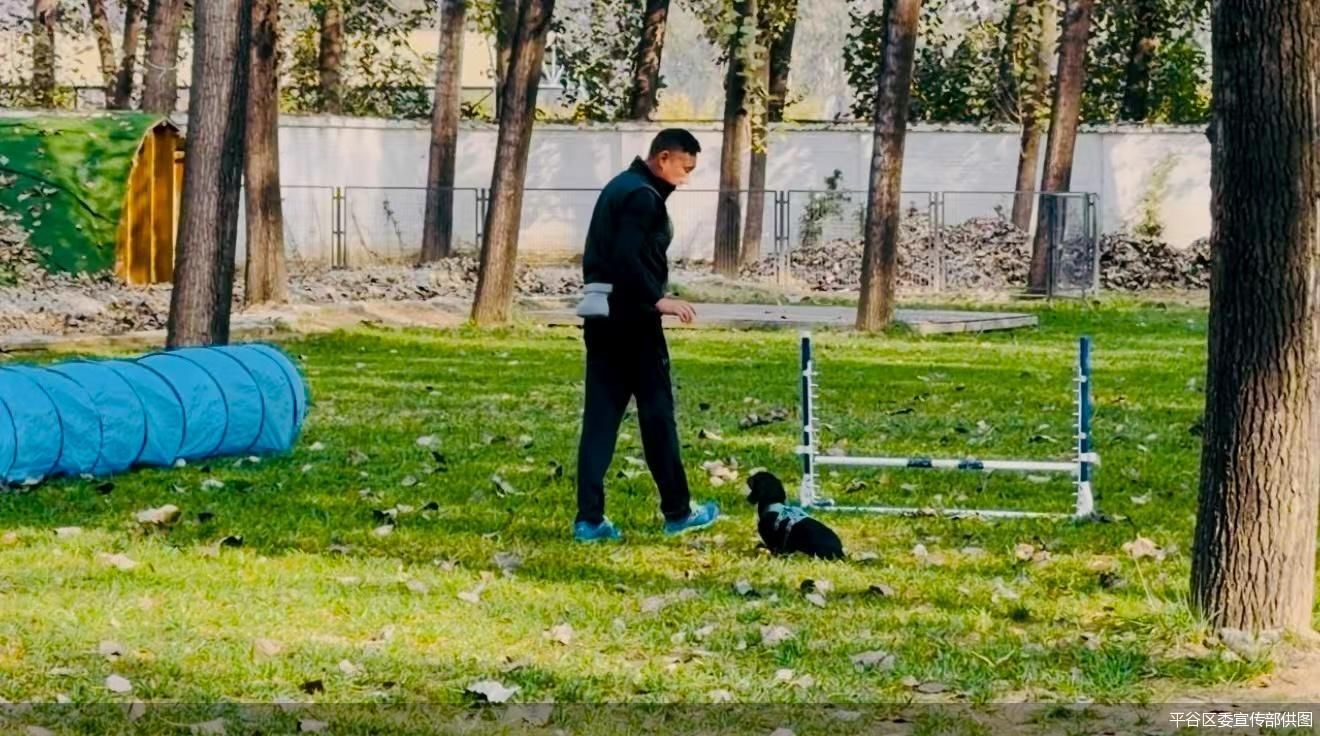
Core Insights - Beijing is intensifying its development of the pet industry, with the recent inauguration of the Beijing (Pinggu) Pet Culture Industrial Park marking a significant step in the region's pet economy competition, which is projected to reach a scale of 300 billion yuan [1][3] Group 1: Industry Development - The Beijing (Pinggu) Pet Culture Industrial Park aims to create a collaborative ecosystem by attracting well-known pet brands and focusing on differentiated competition among districts [2][3] - The park will not only support industrial incubation but also enhance consumer experience through the establishment of pet-friendly parks equipped with various facilities [2][3] - Daxing District is focusing on high-value areas such as pet medical care and health, leveraging its strong biopharmaceutical industry base [2][3] Group 2: Market Potential - The Chinese pet market is expected to grow steadily, with the urban pet consumption market projected to exceed 300 billion yuan in 2024, and the overall market size anticipated to reach 1.15 trillion yuan by 2028 [3][4] - The growth opportunities in the pet industry are centered around technological advancements and service upgrades, including biotechnologies and AI applications [4][5] Group 3: Strategic Focus Areas - Daxing District plans to focus on five key areas: pet medicine and equipment, high-end diagnostics, functional prescription foods, consumption and exhibitions, and e-commerce [5] - Emerging growth points include pet cultural tourism and smart health management, which are expected to become core consumer scenarios [6]
锚定3000亿消费市场 北京多区竞逐“宠物经济”
Bei Jing Shang Bao· 2025-12-01 15:01
Core Insights - Beijing is intensifying its development of the pet industry, with the recent inauguration of the Beijing (Pinggu) Pet Culture Industrial Park marking a significant step in the city's efforts to capitalize on the pet economy, which is projected to reach 300 billion yuan [1][2] Group 1: Industry Development - The Beijing (Pinggu) Pet Culture Industrial Park is the first of its kind in the city, indicating a competitive landscape among various districts in Beijing to develop the pet economy [1][2] - Multiple districts, including Pinggu and Daxing, are focusing on the pet economy as a key development direction, employing a strategy of "differentiated competition" to create a collaborative industrial ecosystem [2][3] Group 2: Market Potential - The pet market in China is experiencing steady growth, with the urban pet consumption market expected to surpass 300 billion yuan in 2024, driven by a slight increase in pet numbers, reaching over 120 million [3] - The dog consumption market is projected to reach 155.7 billion yuan, growing by 4.6%, while the cat consumption market is expected to reach 144.5 billion yuan, with a growth rate of 10.7% [3] Group 3: Future Opportunities - Future growth in the pet industry is anticipated to stem from advancements in technology and service upgrades, including biotechnologies, smart hardware, and AI applications, which will enhance product intelligence and meet evolving consumer demands [4][5] - Daxing district plans to focus on five key areas for competitive differentiation, including pet medicine and equipment, high-end diagnostics, functional prescription foods, consumer events, and e-commerce [5]
锚定3000亿消费市场,北京多区竞逐“宠物经济”
Bei Jing Shang Bao· 2025-12-01 12:25
Core Insights - Beijing is accelerating the development of the pet industry, with the recent unveiling of the Beijing (Pinggu) Pet Culture Industrial Park marking a significant step in the city's pet economy, which is projected to reach a market size of 300 billion yuan [2][3][4] Group 1: Industry Development - The Beijing (Pinggu) Pet Culture Industrial Park is the first of its kind in the city, indicating a competitive landscape among various districts in Beijing to capture the pet economy [2][3] - Multiple districts, including Pinggu and Daxing, are focusing on the pet economy as a key development direction, employing a strategy of "differentiated competition" to build a collaborative industrial ecosystem [3][4] - Pinggu aims to leverage its agricultural resources and research advantages to create a specialized pet industry cluster that integrates brands, culture, and tourism [3][4] Group 2: Market Trends - The pet market in China is showing a stable upward trend, with the urban pet consumption market expected to exceed 300 billion yuan in 2024, driven by a slight increase in pet numbers [4][5] - The consumption market for dogs is projected to reach 155.7 billion yuan, reflecting a growth of 4.6%, while the cat market is expected to grow by 10.7% to 144.5 billion yuan [4][5] Group 3: Future Opportunities - Future growth in the pet industry is anticipated to stem from advancements in technology and service upgrades, with a focus on high-value segments such as biotechnology and specialized medical services [5][6] - Daxing district plans to focus on five key areas, including pet medicine, high-end diagnostics, functional pet food, consumer exhibitions, and e-commerce, to enhance its competitive edge [6][7] - Emerging growth points are expected to include pet tourism and smart health management, driven by improved infrastructure and evolving consumer attitudes towards pet experiences [7]