家庭化

Search documents
中国慢病疼痛医疗器械市场现状研究分析与发展前景预测报告
QYResearch· 2025-12-30 09:59
Core Viewpoint - The chronic pain medical device market in China is expected to grow significantly, driven by factors such as an aging population, increasing prevalence of chronic diseases, improved policy and insurance environments, and technological advancements [5][11]. Market Overview - The sales revenue of China's chronic pain medical device market is projected to reach $386.51 million in 2024 and $720 million by 2031, with a compound annual growth rate (CAGR) of 9.29% from 2025 to 2031 [5]. Industry Concentration and Competition - Major players in the Chinese market include Medtronic, Xiangyu Medical, Boston Scientific, Abbott, and OMRON, with the top three companies holding approximately 55.9% of the market share in 2024 [9]. Development Drivers - The market is primarily driven by three factors: 1. Aging population and high incidence of chronic diseases, leading to increased demand for pain management devices [11]. 2. Improved policies and insurance frameworks that facilitate multi-disciplinary management of pain [11]. 3. Technological advancements, including wearable devices and smart pain management solutions, enhancing personalized treatment options [11]. Challenges - The industry faces several challenges: 1. Fragmented market competition, with international brands dominating high-end segments while domestic companies focus on mid to low-end markets [11]. 2. High regulatory and clinical entry barriers, increasing pressure on small and medium enterprises [11]. 3. Incomplete payment systems, limiting the adoption of certain pain management devices in primary care and home settings [11]. 4. Insufficient awareness among patients and doctors regarding non-drug pain treatments, necessitating further market education [11]. Future Trends - The market is expected to trend towards smart and home-based solutions, with advancements in AI, big data, and IoT enabling remote monitoring and personalized treatment [12]. - The demand for portable and easy-to-use devices is rising, shifting the market focus from hospital-centric to a dual "hospital + home" model [12]. - Domestic innovation and international expansion are anticipated to be key trends, with policies supporting local manufacturers and new market opportunities emerging in regions like Southeast Asia and the Middle East [12]. Policy Framework - The Chinese government emphasizes the development of the medical device sector through various policies aimed at enhancing innovation and competitiveness [13][15]. - Key policies include the "Healthy China 2030" initiative and the "Made in China 2025" plan, which focus on improving the innovation capabilities of medical devices [13][15]. Supply Chain Analysis - The supply chain for chronic pain medical devices includes upstream raw material suppliers such as Nippon Steel and SABIC, and downstream markets comprising hospitals, home care, and rehabilitation centers [19][20]. - The hospital sector is the primary market for high-end devices, while the home care segment is rapidly growing, particularly for non-invasive devices like TENS units [20].


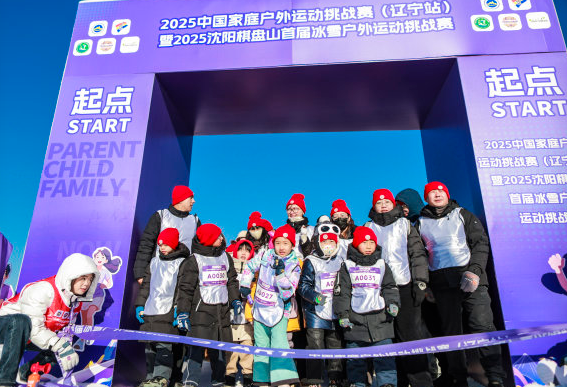
2025中国家庭户外运动挑战赛(辽宁站)收官
Xin Lang Cai Jing· 2025-12-22 23:27
Core Viewpoint - The 2025 China Family Outdoor Sports Challenge (Liaoning Station) and the first Ice and Snow Outdoor Sports Challenge at Qipanshan in Shenyang successfully engaged hundreds of families, promoting family bonding and outdoor sports participation in a winter setting [2][3] Group 1: Event Overview - The event attracted nearly 1,000 participants from Liaoning and surrounding provinces, highlighting the popularity of family-oriented outdoor activities [2] - Various competitive and fun activities were organized, including snowball clearing, polar rescue, ice slope walking, snow cave escape, summit climbing, and snow ring racing, emphasizing teamwork and family collaboration [2] Group 2: Organizational Support - The event was guided by the Mountaineering Sports Management Center of the General Administration of Sport of China and the China Mountaineering Association, co-hosted by the Liaoning Provincial Sports Bureau and the Qipanshan International Scenic Tourism Development Zone Management Committee [2] Group 3: Economic and Social Impact - The event aligns with the national initiative "Travel with Events," integrating sports with local cultural tourism, thereby boosting winter tourism and economic activity in the Qipanshan area [2] - It promotes the concept that "ice and snow can also be gold and silver mountains," supporting the development of outdoor sports towards a more popular, family-oriented, and regular practice [2] - The event enhances parent-child interaction and strengthens family bonds, contributing positively to the national fitness movement and promoting a healthy outdoor sports culture [3]