家政进社区

Search documents
“家门口就能挑选家政服务,太省心了!”
Xin Lang Cai Jing· 2026-02-26 19:41
Core Viewpoint - The establishment of a "home service supermarket" in Xicheng District, Beijing, aims to provide standardized and transparent home service options, addressing community needs and enhancing residents' quality of life through a collaborative government-business model [1][2]. Group 1: Service Model and Structure - The "home service supermarket" is a collaborative initiative between the Xicheng District Business Bureau and the Chunshu Street Office, designed to meet community demands and improve access to reliable home services [2][5]. - The service platform includes a dedicated home service manager role to ensure service quality and standardization, with a focus on addressing the common challenges residents face in finding trustworthy home services [2][3]. Group 2: Workforce Development and Benefits - The initiative has led to improved job security and income for home service workers, with salaries increasing by nearly 30% after joining the "home service supermarket" due to standardized operations and professional training [3][4]. - Over 50 certified home service personnel have been recruited, with their average salary exceeding the industry standard by 20%, benefiting both urban unemployed individuals and rural migrant workers [4]. Group 3: Community Impact and Future Plans - The "home service supermarket" is part of a broader strategy to create a "15-minute convenient living circle," enhancing community services and integrating various service offerings, including personalized care and health services [5][6]. - The Xicheng District plans to replicate this model across other neighborhoods, aiming to deepen the integration of home services with local retail and community resources, thereby expanding the service network [6].
北京西城推进家政进社区 首家“家政超市”试运行
Xin Lang Cai Jing· 2026-01-23 08:34
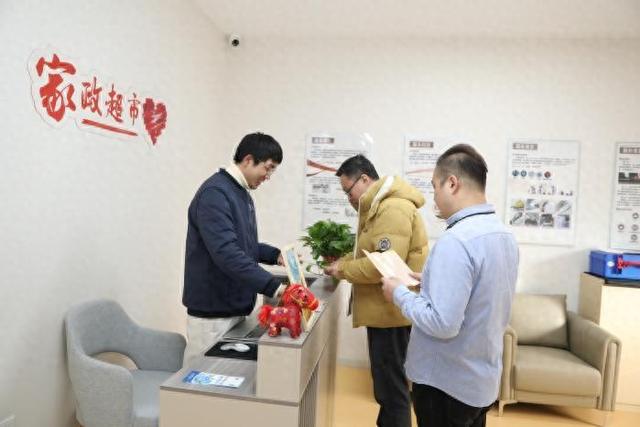
Group 1 - The first "home service supermarket" in Xicheng District, Beijing, began trial operation on January 23, 2023, as part of a collaboration between the Xicheng District Commerce Bureau and the Chunshe Street Office to enhance community services for the elderly and children [1][2] - The project aims to create a new model of home service by integrating resources from the government and private sector, focusing on community needs and improving service delivery through a coordinated mechanism [1][2] - The home service supermarket is located at the Chunshe Street Party-Mass Service Center and operates on weekdays from 9:00 AM to 5:00 PM, providing a range of services tailored to local residents [1][2] Group 2 - The collaboration between the Xicheng District Commerce Bureau and Chunshe Street Office is designed to address pain points in the home service industry, ensuring that policy benefits reach both service providers and consumers effectively [2] - The service offerings from Bangban Company include comprehensive care services such as patient care, home elderly care, and daily housekeeping, along with personalized projects like maternal and infant care, forming a complete service chain [2] - To ensure quality, all service personnel undergo a three-tier verification process, including identity checks, health examinations, and skill certifications, along with professional training and insurance coverage [2] Group 3 - The successful launch of the home service supermarket is a significant step in building a "15-minute convenient living circle" in Xicheng District, with plans for further expansion of home services across various streets [2] - The Xicheng District Commerce Bureau plans to deepen collaboration and optimize existing service models, promoting the integration of home services with supermarkets and convenience stores to create a comprehensive service network [2] - To provide additional benefits to residents, the platform will offer online consumption vouchers and discounts at the Bangban home service supermarket around the Spring Festival [4]

2026年大家打算把钱花在哪?旅游排第一,学习教育位列第二
Sou Hu Cai Jing· 2026-01-05 02:19
Core Insights - Consumption is a persistent driver of economic growth and reflects the quality of life for residents in Jiangsu, with a significant transformation towards high-quality, intelligent, and green consumption patterns expected by 2026 [2][4] Consumption Trends - The "Su New Consumption" initiatives and improved livelihood policies are expected to lead to three main characteristics in consumer expectations: the release of service consumption potential, the collaboration between urban and rural markets, and the emphasis on quality experiences [2][4] - The survey covered over 6,000 residents across ten key consumption areas, revealing a strong focus on education, tourism, health, and wellness, indicating a shift from material satisfaction to spiritual enjoyment [4] Sector-Specific Insights - Tourism is projected to see a nearly 40% increase in spending, leading the consumption growth, followed by education and health-related sectors [4][5] - In education, 46% of respondents plan to increase spending on quality education, with rural areas showing a higher inclination at 51.6% [4] - Health consumption is shifting towards proactive health measures, with significant interest in sports and wellness, particularly among different age groups [6] Emerging Consumption Patterns - The cultural and entertainment sectors are thriving, with 58% of respondents engaging in movie consumption, and a notable interest in local sports events [7] - The pet economy is also growing, with 64.1% of pet owners being from the 80s and 90s generations, indicating a shift towards emotional companionship rather than just functional ownership [7] Rural Consumption Dynamics - There is a positive trend of consumption moving towards rural areas, supported by policies aimed at enhancing county-level commercial systems and rural e-commerce [8] - Consumers are becoming more rational, prioritizing value for money in sectors like tourism and home services [8] Future Outlook - The Jiangsu consumption market is expected to evolve towards greater vitality, creativity, and sustainability, driven by technological advancements and the growth of new consumer groups [9]