
文化赋能经济社会发展

Search documents
2026年大家打算把钱花在哪?旅游排第一,学习教育位列第二
Sou Hu Cai Jing· 2026-01-05 02:19
Core Insights - Consumption is a persistent driver of economic growth and reflects the quality of life for residents in Jiangsu, with a significant transformation towards high-quality, intelligent, and green consumption patterns expected by 2026 [2][4] Consumption Trends - The "Su New Consumption" initiatives and improved livelihood policies are expected to lead to three main characteristics in consumer expectations: the release of service consumption potential, the collaboration between urban and rural markets, and the emphasis on quality experiences [2][4] - The survey covered over 6,000 residents across ten key consumption areas, revealing a strong focus on education, tourism, health, and wellness, indicating a shift from material satisfaction to spiritual enjoyment [4] Sector-Specific Insights - Tourism is projected to see a nearly 40% increase in spending, leading the consumption growth, followed by education and health-related sectors [4][5] - In education, 46% of respondents plan to increase spending on quality education, with rural areas showing a higher inclination at 51.6% [4] - Health consumption is shifting towards proactive health measures, with significant interest in sports and wellness, particularly among different age groups [6] Emerging Consumption Patterns - The cultural and entertainment sectors are thriving, with 58% of respondents engaging in movie consumption, and a notable interest in local sports events [7] - The pet economy is also growing, with 64.1% of pet owners being from the 80s and 90s generations, indicating a shift towards emotional companionship rather than just functional ownership [7] Rural Consumption Dynamics - There is a positive trend of consumption moving towards rural areas, supported by policies aimed at enhancing county-level commercial systems and rural e-commerce [8] - Consumers are becoming more rational, prioritizing value for money in sectors like tourism and home services [8] Future Outlook - The Jiangsu consumption market is expected to evolve towards greater vitality, creativity, and sustainability, driven by technological advancements and the growth of new consumer groups [9]

2025年度盘点|赛事、影视、演唱会……今年你跟着什么去旅行?
Xin Lang Cai Jing· 2025-12-27 11:32
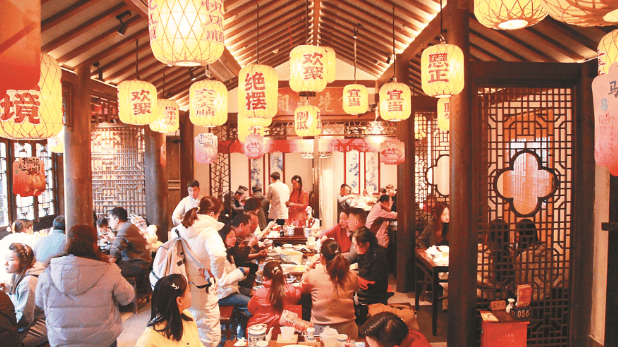
Core Insights - The article discusses emerging trends in cultural and tourism consumption in 2025, highlighting the integration of sports events, concerts, and exhibitions with tourism to enhance visitor experiences and economic benefits. Group 1: Sports Events and Tourism - The "Su Super" football league attracted over 2.43 million spectators during its season, demonstrating a successful integration of sports and tourism [1][2] - On match days, A-level tourist attractions in host cities received 25.12 million visitors, a 17.38% increase year-on-year, with 14.40 million being from outside the province, marking a 23.22% growth [2] - The league also generated 14.57 billion yuan in cross-regional tourism spending, reflecting a 27.10% increase [2][4] Group 2: Concerts and Cultural Events - Large concerts in Hangzhou drew 850,000 attendees and generated 767.5 million yuan in ticket sales, leading to over 4.5 billion yuan in related tourism consumption [5] - In Nanning, concerts contributed over 3 billion yuan to the local economy, while Haikou hosted 22 concerts, attracting 441,100 attendees and generating 2.16 billion yuan [5] - The trend of "ticket root economy" indicates a shift towards more diverse consumer participation in cultural events, driving tourism and related sectors [5] Group 3: Cultural Exhibitions and Tourism - The popularity of exhibitions remains high, with the Shanghai Museum's "Pyramid Peak: Ancient Egyptian Civilization" exhibition attracting over 2.77 million visitors and generating 760 million yuan, contributing to over 35 billion yuan in city-wide consumption [8] - Special exhibitions like "Encounter Dunhuang in Liaoning" and immersive experiences have seen significant visitor increases, with the Liaoning Museum recording 972,000 visitors in July and August, a 21.7% year-on-year rise [9] Group 4: Rural Tourism Development - Rural tourism is thriving, with 24.88 million visitors and 9.24 billion yuan in revenue in the first half of the year, reflecting a 7.9% and 8.6% increase respectively [12] - The recognition of rural tourism by the UN and the establishment of 19 "Best Tourism Villages" in China highlight the sector's growth and quality improvement [11][14] - The integration of local culture, cuisine, and creative experiences in rural tourism is enhancing visitor engagement and economic benefits [12][14] Group 5: Service Upgrades in Tourism - Enhanced customer service is becoming a key focus in the tourism industry, with destinations adopting more personalized and thoughtful approaches to visitor experiences [15][17] - Initiatives such as improved public transport, multilingual services, and upgraded facilities are being implemented to meet diverse tourist needs [15][17] - The emphasis on quality service reflects a shift from one-time transactions to building long-term customer relationships in the tourism sector [15][17]
不断优化城市文化产品供给(专题深思)
Ren Min Wang· 2025-12-16 22:32
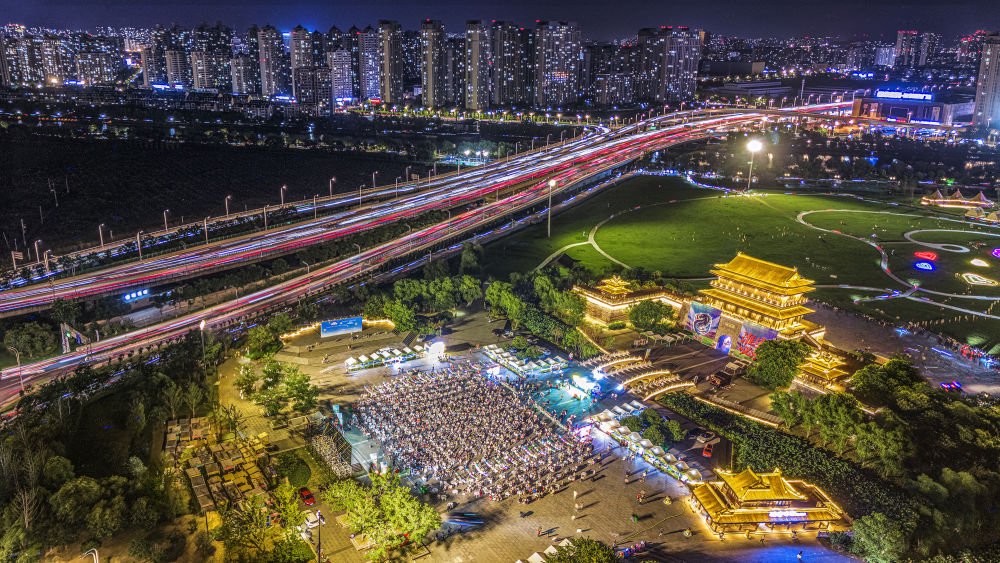
Group 1: Cultural Development and Urbanization - The core viewpoint emphasizes that cultural prosperity is a significant marker of Chinese-style modernization, with a focus on optimizing cultural product supply to empower economic and social development [1] - The document highlights the importance of urban cultural development, stating that cities should not only focus on material construction but also on spiritual value shaping [1] - The recent policy document from August outlines the need to promote urban cultural prosperity and optimize cultural product supply as a pathway to enhance cultural welfare [1] Group 2: Heritage and Cultural Products - The importance of inheriting urban cultural heritage is stressed, as culture is seen as the essence and unique identifier of a city [2] - The document provides examples of local cultural revitalization, such as Jingdezhen's transformation of ceramic culture into modern products, showcasing how historical elements can be modernized [2] - It suggests that creative design can enhance urban aesthetics by transforming old factories and neighborhoods into spaces for cultural experiences [2] Group 3: Accessibility and Inclusivity in Cultural Services - The key to enhancing cultural welfare lies in the inclusivity and accessibility of cultural product supply, ensuring that services reach diverse populations [3] - The document advocates for innovative cultural service models that prioritize community needs and facilitate easy access to cultural experiences [3] - Examples of initiatives like citizen art night schools and community cultural spaces are mentioned as ways to improve public cultural service delivery [3] Group 4: Cultural Industry Development - The document discusses the need to accelerate cultural industry development and establish a robust cultural market system, highlighting the role of value innovation in creating new economic models [4] - It emphasizes the integration of culture with sports, tourism, and commerce to create high-value growth dimensions for urban economies [4] - The use of technology, such as virtual reality and artificial intelligence, is encouraged to expand cultural experiences beyond physical spaces [4] Group 5: Governance and Institutional Environment - The optimization of cultural product supply requires modernization of urban governance systems, shifting from single-entity management to collaborative governance [5] - The document calls for the establishment of legal frameworks to support cultural prosperity, including laws for cultural industry promotion and heritage protection [6] - It highlights the importance of encouraging social participation in public cultural services to enhance the relevance and richness of cultural offerings [6]
省委十四届十次全会精神在社会发展和民生保障领域引发热烈反响——厚植为民底色 绘就幸福图景
Xin Hua Ri Bao· 2025-12-03 23:34
Group 1 - The core idea of the article emphasizes the importance of improving the quality of life for the people of Jiangsu, focusing on high-quality development and effective governance [1][5] - Jiangsu aims to empower economic and social development through cultural initiatives, with a high standard for building a culturally strong province [2][4] - The cultural resources are being integrated into rural areas, enhancing community engagement and promoting local cultural spaces [3] Group 2 - The article highlights the commitment to ensuring common prosperity by improving living standards and social welfare systems [5][6] - Employment is identified as a key aspect of improving people's lives, with initiatives in place to support job creation and skills development [7] - The agricultural sector is also emphasized, with efforts to modernize grain distribution and enhance food security for farmers [8] Group 3 - The focus on high-quality living includes urban renewal projects that have significantly increased resident satisfaction [9] - Smart city initiatives are being implemented to enhance urban infrastructure and safety, with extensive data collection and monitoring systems in place [9][10] - The construction sector is set to develop detailed plans for urban infrastructure improvements, ensuring the stability and functionality of cities [10]
第六届长三角文博会举行
Xin Lang Cai Jing· 2025-11-20 18:21
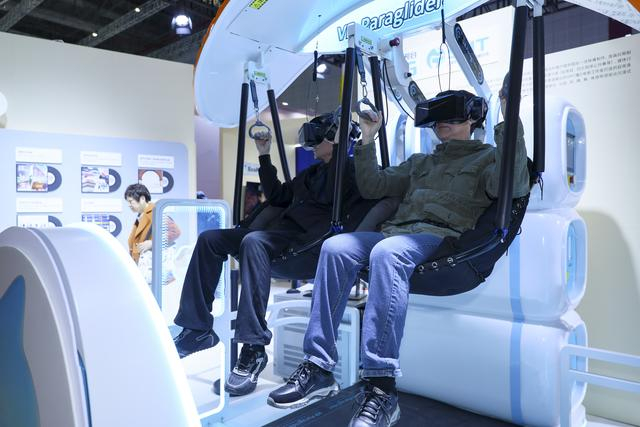
Group 1 - The sixth Yangtze River Delta International Cultural Industry Expo opened on November 20, with the theme "Cultural Empowerment for Economic and Social Development, Stimulating Innovation and Creativity in the Cultural Industry" [1] - The exhibition covers an area of 80,000 square meters and gathers over 1,500 cultural industry-related units and brand enterprises [1] Group 2 - Visitors experienced VR showcasing real scenes of Shanghai at the Shanghai Jing'an exhibition area [2] - The Jiangsu exhibition area featured visitors exploring Suzhou's cultural and creative products [3] - The Anhui exhibition area showcased performances such as the Zhanqi fish lamp and offered food experiences [5][7]
多项指标领跑全国!江苏发布文化赋能经济社会发展“成绩单”
Yang Zi Wan Bao Wang· 2025-11-12 06:55
Group 1 - The core viewpoint of the news is that Jiangsu Province is leveraging its cultural assets to drive economic and social development, showcasing significant achievements in the cultural and tourism sectors since the start of the 14th Five-Year Plan [1][2]. Group 2 - The Jiangsu cultural tourism market is experiencing robust growth, with an expected 1.091 billion domestic and international visitors in 2024 and total tourism expenditure reaching 1.34 trillion yuan, both anticipated to maintain double-digit growth [2]. - The province has implemented innovative policies and financial products to support the cultural tourism sector, resulting in 25.94 billion yuan in loans to 228 cultural tourism enterprises and over 9.5 billion yuan in loans to 973 enterprises and 571 projects from the provincial tourism development fund [2]. Group 3 - Jiangsu's rich cultural heritage is transforming into a significant attraction, with 1.39 billion visitors expected at museums in 2024, maintaining the highest visitor numbers in the country [3]. - The province boasts three World Cultural Heritage sites, one World Natural Heritage site, and 251 national key cultural relic protection units, leading the nation in cultural heritage recognition [3]. Group 4 - Jiangsu is promoting intangible cultural heritage through innovative initiatives, establishing 32 provincial demonstration projects and enhancing public cultural services, with per capita visits to cultural venues increasing from 4.76 to 7.64 [4]. Group 5 - The integration of cultural tourism and sports is highlighted, with over 573.4 million visitors and 3.54 billion yuan in consumption driven by 213 monitored key sports events in the first nine months of the year [5]. - The province has developed a comprehensive public sports service system, achieving the highest satisfaction rate in the country according to the 2024 National Public Service Quality Monitoring Report [5].
把中华文化瑰宝保护好、传承好、传播好 ——写在2025年“文化和自然遗产日”之际
Ren Min Ri Bao· 2025-06-12 22:02
Core Viewpoint - The Chinese government emphasizes the importance of cultural heritage protection and its integration into modern society, highlighting the need for systematic protection and the use of advanced technology in preserving historical sites and artifacts [1][2][3]. Group 1: Cultural Heritage Protection - The Chinese government has established a monitoring and early warning system for cultural heritage sites, utilizing advanced technologies such as microwave moisture meters and ultrasonic non-destructive testing [1]. - The revised cultural relic protection law, effective from March 1, aims to enhance systematic protection of cultural heritage [2]. - There are currently 767,000 immovable cultural relics and over 108 million movable cultural relics in China, showcasing the immense historical and artistic value of these assets [3]. Group 2: Archaeological Discoveries - Recent archaeological discoveries, including sites in Sichuan, Shaanxi, and Anhui, have further validated the unique characteristics of Chinese civilization [2]. - The annual evaluation of the top ten archaeological discoveries in China highlights the ongoing efforts to enhance archaeological research and cultural heritage protection [2]. Group 3: Non-Material Cultural Heritage - China is focusing on various protection strategies for non-material cultural heritage, including rescue, production, and overall protection [3]. - By the end of 2024, there will be 11,000 non-material cultural heritage workshops established, directly employing over 200,000 people and increasing their annual income [7]. Group 4: Cultural Empowerment in Economic Development - The integration of cultural heritage into economic development is emphasized, with traditional crafts and cultural experiences becoming significant sources of employment and income in rural areas [7]. - In urban areas, cultural heritage is seen as a catalyst for economic growth, with traditional values contributing to social governance and community harmony [8]. Group 5: International Cultural Exchange - The Chinese government is actively promoting cultural exchange and cooperation in heritage protection, enhancing the global influence of Chinese culture [9][10]. - The successful application for UNESCO recognition of the Spring Festival as an intangible cultural heritage reflects China's commitment to sharing its cultural values with the world [10][12]. Group 6: Return of Cultural Relics - Over 2,000 cultural relics that had been lost overseas have returned to China, symbolizing the connection between national revival and cultural heritage [13]. - The return of these artifacts is seen as a means to enhance national pride and cultural confidence among the Chinese people [13].