
品质享老

Search documents
旅游消费以40%增长意愿登顶榜首
Jiang Nan Shi Bao· 2026-01-05 23:18
Core Insights - Consumption is a persistent driver of economic growth and reflects the quality of life for residents in Jiangsu, with a significant shift towards high-quality, intelligent, and green consumption patterns expected by 2026 [1] Group 1: Consumer Trends - The survey indicates that by 2026, tourism is expected to see a nearly 40% increase in spending, making it the top area of growth, followed by education and health-related consumption [2] - 46% of respondents plan to increase their investment in quality education, with this figure rising to 51.6% in rural areas, highlighting a collaborative improvement in educational consumption perspectives between urban and rural residents [2] - The younger demographic (ages 18-25) and women are identified as the main consumers, with 51.8% of young individuals planning to increase their travel expenditures in 2026 [2] Group 2: Health and Wellness Consumption - The shift in health consumption from disease treatment to preventive measures is evident, with expected growth in sports and wellness spending ranking third and fourth respectively by 2026 [3] - Different age groups exhibit varying preferences, with younger consumers favoring smart wearables and image management, while older consumers are willing to pay a premium for high-end nutritional products and traditional Chinese medicine [3] - 59.6% of residents prefer home-based elderly care, but 48.2% prioritize community health services, indicating a strong demand for integrated healthcare solutions [3] Group 3: Emerging Consumption Areas - The cultural and entertainment sector shows robust growth, with Jiangsu being the second-largest movie ticket market in China, where 58% of respondents choose to spend on films [4] - The demand for home services is expanding, particularly among the 26-45 age group, which constitutes 66.7% of high-spending consumers, reflecting a trend towards professional and customized services [4] - The "pet economy" is gaining traction, with 64.1% of pet owners being from the post-80s and post-90s generations, indicating a shift from functional to emotional spending on pets [4]
2026年大家打算把钱花在哪?旅游排第一,学习教育位列第二
Sou Hu Cai Jing· 2026-01-05 02:19
Core Insights - Consumption is a persistent driver of economic growth and reflects the quality of life for residents in Jiangsu, with a significant transformation towards high-quality, intelligent, and green consumption patterns expected by 2026 [2][4] Consumption Trends - The "Su New Consumption" initiatives and improved livelihood policies are expected to lead to three main characteristics in consumer expectations: the release of service consumption potential, the collaboration between urban and rural markets, and the emphasis on quality experiences [2][4] - The survey covered over 6,000 residents across ten key consumption areas, revealing a strong focus on education, tourism, health, and wellness, indicating a shift from material satisfaction to spiritual enjoyment [4] Sector-Specific Insights - Tourism is projected to see a nearly 40% increase in spending, leading the consumption growth, followed by education and health-related sectors [4][5] - In education, 46% of respondents plan to increase spending on quality education, with rural areas showing a higher inclination at 51.6% [4] - Health consumption is shifting towards proactive health measures, with significant interest in sports and wellness, particularly among different age groups [6] Emerging Consumption Patterns - The cultural and entertainment sectors are thriving, with 58% of respondents engaging in movie consumption, and a notable interest in local sports events [7] - The pet economy is also growing, with 64.1% of pet owners being from the 80s and 90s generations, indicating a shift towards emotional companionship rather than just functional ownership [7] Rural Consumption Dynamics - There is a positive trend of consumption moving towards rural areas, supported by policies aimed at enhancing county-level commercial systems and rural e-commerce [8] - Consumers are becoming more rational, prioritizing value for money in sectors like tourism and home services [8] Future Outlook - The Jiangsu consumption market is expected to evolve towards greater vitality, creativity, and sustainability, driven by technological advancements and the growth of new consumer groups [9]

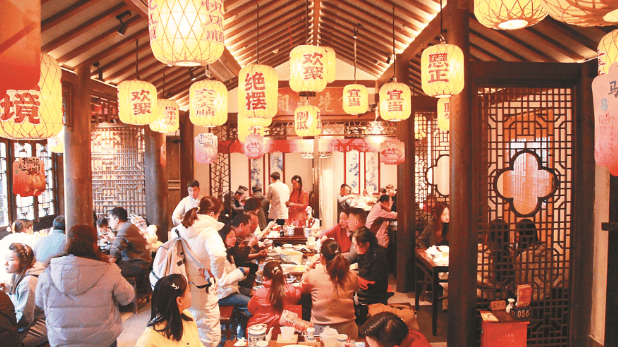
旅游教育是热点、品质化个性化成主流
Xin Hua Ri Bao· 2026-01-04 23:06
Core Viewpoint - The consumption market in Jiangsu is undergoing a profound transformation towards high quality, intelligence, and sustainability, driven by the "Su New Consumption" initiatives and improved livelihood policies, with expectations for 2026 highlighting the release of service consumption potential, urban-rural market synergy, and a shift from material satisfaction to spiritual enjoyment [1][2][3][4][5][6] Group 1: Consumption Trends - The survey indicates that tourism is expected to see a nearly 40% increase, leading the consumption growth, followed by education, health, and wellness, with service consumption becoming the main driver of growth [2][3] - In the education sector, 46% of respondents plan to increase investment in quality education, with rural areas showing a higher intention at 51.6%, reflecting a collaborative improvement in urban and rural education consumption concepts [2] - The health consumption trend is shifting towards "proactive health," with expectations for sports and wellness consumption ranking third and fourth, respectively, and a notable willingness to pay more for traditional health practices [3] Group 2: Demographic Insights - Young consumers show a preference for smart wearables and image management, while middle-aged consumers are willing to pay a premium for high-end nutritional products and traditional Chinese medicine [3] - Female participation in educational spending is significantly higher than male, with a 12.9 percentage point difference in 2025, indicating a growing awareness of self-improvement under gender equality [2] Group 3: Emerging Consumption Areas - The cultural and entertainment consumption sector is vibrant, with Jiangsu being the second-largest movie ticket market in China, and a significant percentage of respondents willing to travel for sports events [4] - The pet economy is evolving from functional care to emotional companionship, with 30.8% of pet owners planning to increase spending, highlighting a shift in consumer priorities [4] Group 4: Rural Consumption Dynamics - The consumption of health, wellness, and domestic services is increasingly penetrating rural areas, supported by policies promoting county-level commercial systems and comprehensive rural e-commerce [5] - The willingness of rural residents to consume is steadily increasing, reflecting a positive trend in the "rural revitalization" strategy [5] Group 5: Future Outlook - The Jiangsu consumption market is expected to evolve towards greater vitality, creativity, and sustainability, fueled by the widespread application of new technologies and continuous policy support [6]