家族企业管理

Search documents
宗馥莉众叛亲离!亲叔称在杭州很多人都知道,娃哈哈是靠我起家的
Xin Lang Cai Jing· 2025-07-19 07:26
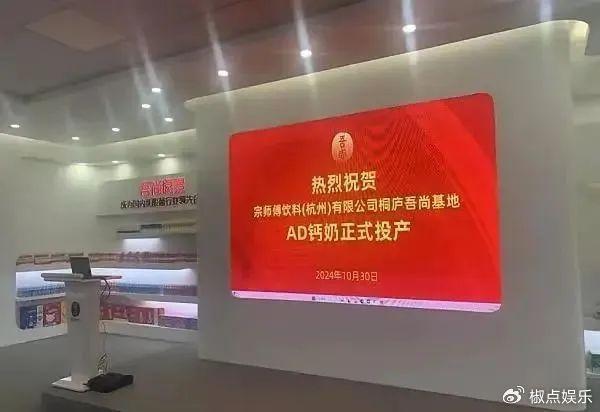
Core Viewpoint - The article discusses the internal family conflict within the Wahaha Group, highlighting the rivalry between Zong Fuli and her uncle Zong Zehou, who has launched a competing beverage brand using similar production resources and strategies as Wahaha [1][5][13]. Group 1: Family Rivalry - Zong Zehou has publicly claimed that "Wahaha was built on my back," leading to public ridicule and questioning of his contributions to the company [3][5]. - The article portrays Zong Zehou's actions as opportunistic, suggesting he is leveraging family ties to undermine Zong Fuli's leadership and control over Wahaha [11][20]. - Zong Fuli's decision to cut ties with family members involved in the business is seen as a necessary move to protect the company's interests from perceived "parasitic" relationships [12][20]. Group 2: Business Practices - Zong Zehou's new brand "Yipin Zongshi" closely mimics Wahaha's products, using the same production facilities and even employing former Wahaha staff, raising concerns about ethical business practices [5][13][14]. - The competition is described as more than just market rivalry; it is characterized as a family feud where Zong Zehou is accused of using Wahaha's resources to establish his own brand [9][16]. - The article highlights the chaotic situation in production lines, where materials for both brands are stored together, complicating operations and raising operational risks [14][16]. Group 3: Public Perception and Commentary - Public sentiment is largely critical of Zong Zehou, with social media users mocking his claims of being a founder based on minimal contributions [7][20]. - The narrative reflects broader concerns about family dynamics in business, suggesting that having relatives in a company can lead to conflicts and inefficiencies [20]. - The article concludes with a humorous suggestion for a public competition between family members to determine control over the company, indicating the absurdity of the situation [20].

卫龙魔芋爽难解辣条困境,漯河首富向高层开刀
3 6 Ke· 2025-07-14 11:32
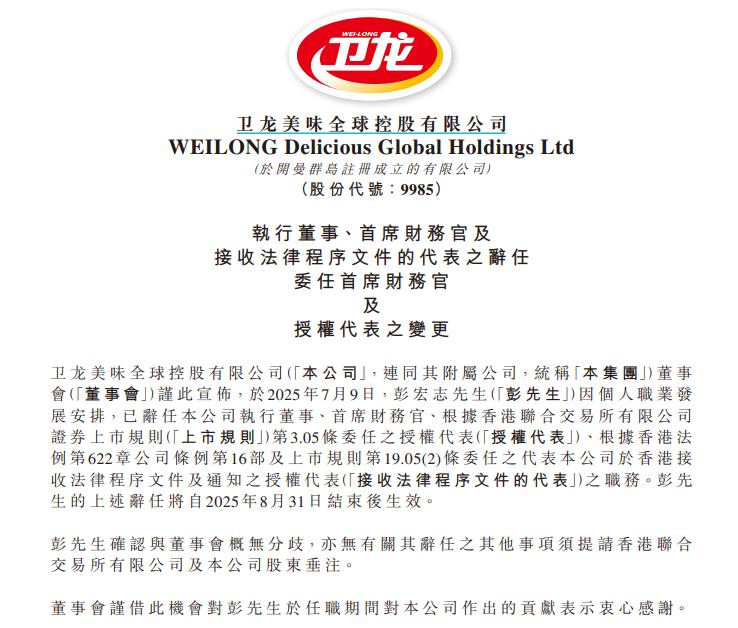
Core Viewpoint - The recent executive changes at Weilong, including the resignation of key figures, reflect underlying operational anxieties and a shift towards a more centralized family management structure, as the company faces challenges in its product lines and sales channels [1][3][11]. Group 1: Executive Changes - Peng Hongzhi has resigned as CFO and executive director, effective August 31, 2023, marking the second departure of a core executive within six months [1][3]. - Liu Fuping, the vice chairman, has taken over as CEO after the resignation of Sun Yinong, who had been instrumental in modernizing the company's management [1][6][11]. - The trend of replacing external executives with family members indicates a deepening "family color" in the company's leadership [5][8][11]. Group 2: Financial Performance - In 2024, Weilong reported a total revenue increase of 28.6% to 6.266 billion yuan and a net profit increase of 21.3% to 1.068 billion yuan [12]. - The revenue structure has shifted, with the traditional spicy strips (flavored noodle products) seeing only a 4.6% increase, while vegetable products, particularly "konjac," surged by 59.1% [15][16]. Group 3: Market Challenges - The spicy strips category is facing declining sales due to changing consumer preferences towards healthier options, with sales dropping from 193,600 tons in 2021 to 124,400 tons in 2023 [12][16]. - The average price of flavored noodle products has increased by approximately 43.36% from 2019 to 2023, leading to a disconnect with younger consumers who are deterred by higher prices [16][17]. Group 4: Sales Channel Imbalance - Weilong's sales channels are heavily skewed towards offline sales, which accounted for 88.8% of revenue in 2024, while online sales only contributed 7.05 million yuan [20][22]. - The company has been slow to adapt to the growing online retail market, missing opportunities in e-commerce compared to competitors like Three Squirrels, which saw significant online revenue growth [22][23]. Group 5: Strategic Adjustments - In response to internal chaos and market pressures, Weilong is focusing on restructuring its management and expanding its production and supply chain capabilities [23][24]. - The company is also facing scrutiny over governance issues, potential share dilution, and the effectiveness of its strategic pivots [24].