对等报复

Search documents
反击正式开启,俄罗斯向欧洲索赔18.2万亿,对待强盗只能以牙还牙
Sou Hu Cai Jing· 2025-12-17 13:42
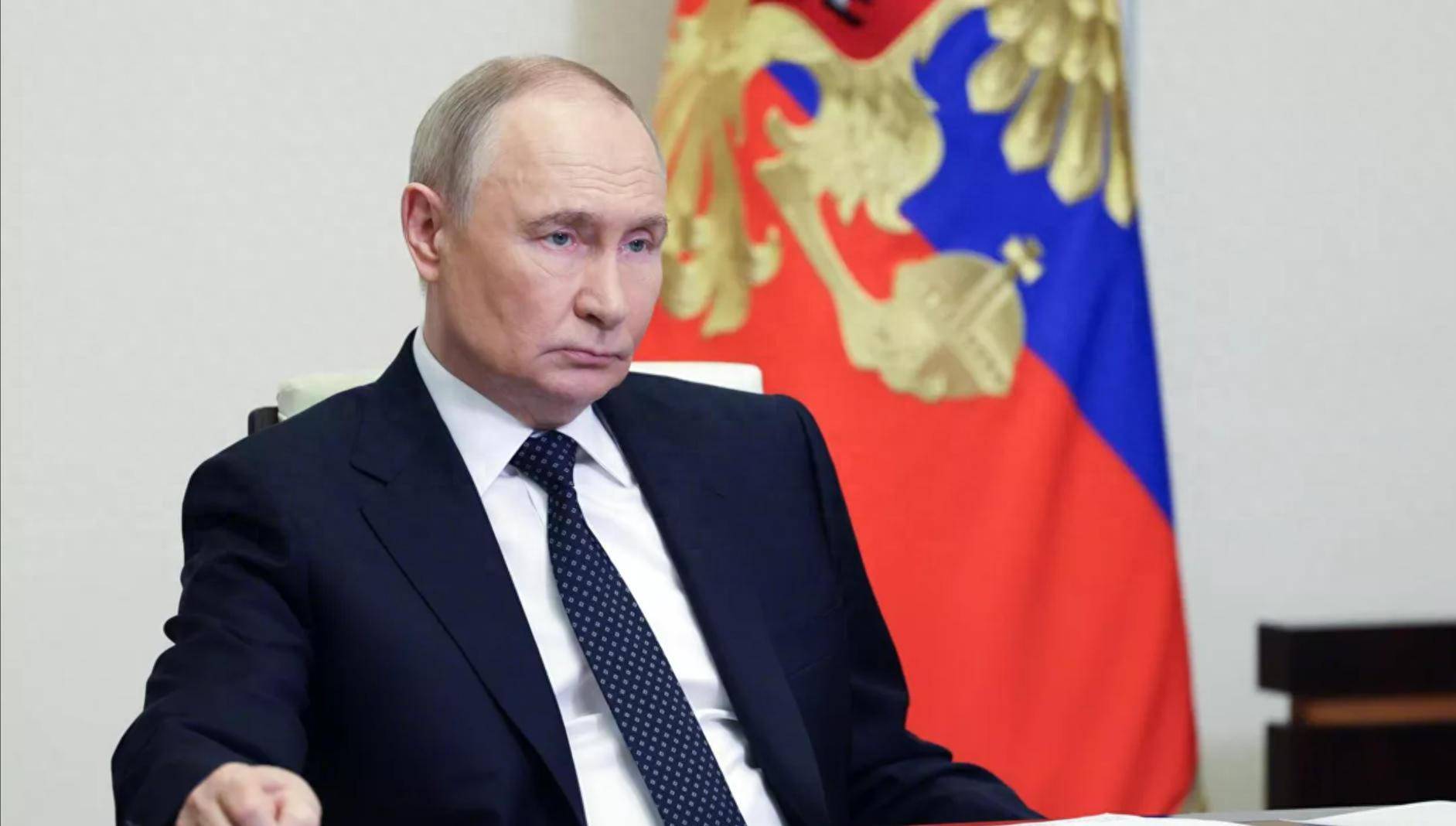
Group 1 - The core viewpoint of the article is that Russia is officially retaliating against Europe for the freezing of its sovereign assets, with President Putin indicating that any actions taken by Europe will be met with equivalent responses from Russia [1][3][9] - The Russian Central Bank has filed a lawsuit against the European Clearing Bank in Moscow arbitration court, claiming compensation of 18.2 trillion rubles, approximately equivalent to $230 billion, which matches the amount of frozen Russian sovereign assets in Europe [3][11][12] - The European Union's decision to indefinitely freeze Russian assets, initially requiring unanimous consent every six months, has escalated tensions, with the total frozen assets valued at around €210 billion, primarily held in the European Clearing Bank [5][7] Group 2 - The EU is considering using the frozen Russian assets as collateral to raise funds for Ukraine, estimated between €90 billion and €140 billion, which Russia has condemned as "international theft" [9][28] - Russia's lawsuit is a calculated response to the EU's actions, as it includes both the principal amount of frozen assets and accrued interest, indicating a strategic approach to counter the EU's financial maneuvers [11][12] - The Russian government has prepared for potential outcomes of the lawsuit, including the possibility of seizing European assets within Russia if the EU proceeds with its plans [15][20] Group 3 - The internal dissent within the EU regarding the use of frozen Russian assets is notable, with leaders from Belgium, Hungary, and Slovakia expressing concerns that such actions could undermine the rule of law and threaten their own national reserves [22] - The EU's actions have raised alarms globally, as they set a precedent that could jeopardize the security of sovereign assets held by other nations, prompting countries like Brazil and India to reduce their euro-denominated assets [24][26] - The dispute between Russia and the EU is not only a bilateral issue but also poses risks to the global financial order, as it challenges established norms regarding the protection of sovereign assets and could lead to broader repercussions for international trust in the European financial system [26][28]

荷兰服软求和!这场“芯片断供”大战给我们上了怎样一课?
Xin Lang Cai Jing· 2025-10-20 17:28
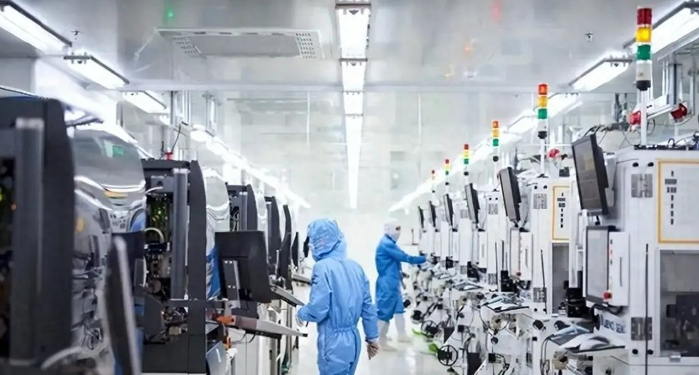
Core Insights - China has imposed an export ban on Nexperia, leading to immediate disruptions in its production capabilities, particularly at its Dongguan facility, which accounts for 70% of global output, producing 250 million chips daily and over 50 billion annually [1] - The rapid response from the Netherlands, seeking to negotiate with China after the ban, highlights the stark contrast between their previous aggressive stance and their current need for cooperation [1] - The semiconductor chips produced by Nexperia are critical for various industries, including automotive and consumer electronics, indicating that prolonged supply disruptions will have widespread repercussions [1] Group 1 - The necessity of establishing clear asset protection rules is emphasized, as the Netherlands previously seized assets under the guise of security, exploiting regulatory loopholes [3] - A call for reciprocal retaliation measures is made, suggesting that any foreign entity that seizes Chinese assets should face immediate export bans on critical products [3] - The importance of strengthening domestic capabilities in technology and supply chains is highlighted, as reliance on acquisitions for core technologies has proven inadequate [3] Group 2 - The likelihood of recovering Nexperia's assets is low, with indications that the U.S. and the Netherlands had premeditated their actions, shifting the focus to ensuring that the costs of asset seizure are significantly higher than the acquisition costs [4] - Historical evidence suggests that goodwill alone is insufficient in dealings with Western nations; a strong response is necessary to deter future asset seizures [4] - The recent semiconductor conflict illustrates China's growing strength and underscores the need for a robust defense while maintaining open cooperation to ensure long-term stability and progress [4]