小满节气

Search documents
为什么只有小满,没有“大满”?(把自然讲给你听)
Ren Min Ri Bao· 2025-05-20 22:02
Group 1 - The term "Xiaoman" reflects the gradual ripening of crops like winter wheat in northern regions, indicating that grains are filling but not yet fully mature [1] - In southern regions, "Xiaoman" signifies an increase in rainfall due to active warm and humid air currents, highlighting the importance of adequate rain for agricultural success [1] - The absence of a "Daman" (Great Full) term after Xiaoman is explained by the agricultural significance of the subsequent "Mangzhong" (Grain in Ear) term, which aligns better with farming activities [1] Group 2 - The concept of "Xiaoman" embodies traditional Chinese cultural philosophies, emphasizing moderation and the idea that fullness can lead to loss, reflecting a balance in nature [2] - "Xiaoman" serves as a reminder of the respect for nature and the importance of adapting to natural conditions, showcasing the wisdom of ancient Chinese agricultural practices [2]
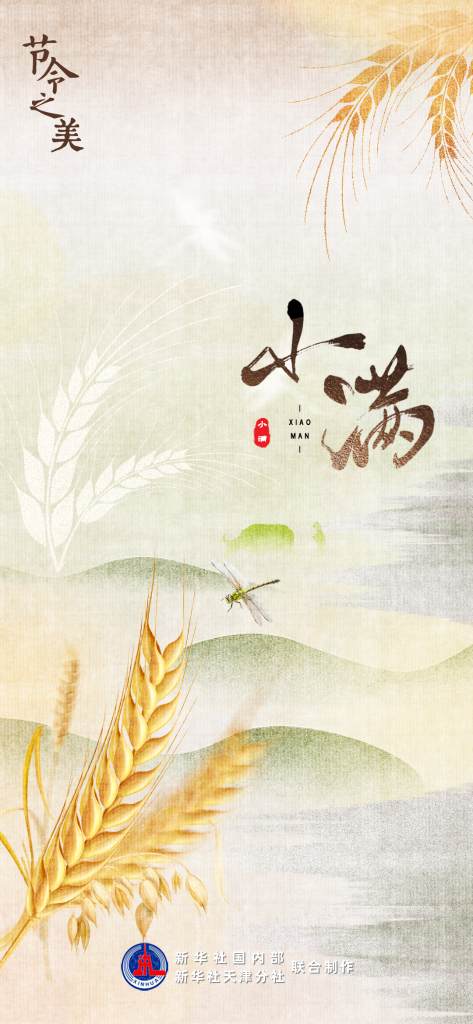
节令之美|小得盈满:21日2时55分,小满!
Xin Hua Wang· 2025-05-19 08:07
Group 1 - The Xiaoman solar term marks the beginning of summer and is the eighth solar term in the 24 solar terms, indicating the arrival of heat [1] - During Xiaoman, winter wheat and other summer crops enter the grain filling stage, becoming increasingly plump but not yet mature, as reflected in the saying "Xiaoman Xiaoman, wheat grains gradually full" [1] - The term "Maiqiu" (wheat autumn) signifies the period when wheat begins to mature, leading to the harvest season, which is poetically referenced in various literary works [1][3] Group 2 - Xiaoman is not only a solar term but also embodies wisdom, as it suggests that after Xiaoman, there is no "Daman" (great fullness), contrasting with other paired solar terms [6] - The phrase "fullness invites loss, humility benefits" reflects the philosophical understanding associated with the Xiaoman period, emphasizing moderation and balance [6]