
枇杷

Search documents
新的一年,有新的期盼
Xin Lang Cai Jing· 2026-02-24 22:22
Core Viewpoint - The article highlights the transformation of the local economy and lifestyle in the Ertan Reservoir area following the dismantling of fish farming operations, showcasing how residents have adapted to new opportunities in agriculture and transportation [1][2][3]. Group 1: Economic Transformation - The Ertan Reservoir, formed after the construction of the Ertan Hydropower Station, has seen significant changes in its local economy, particularly with the dismantling of 50,800 fish farming cages to combat water pollution [1]. - Local residents, such as Ding Yan, have transitioned from fish farming to new roles, including operating boats for transportation, indicating a shift in livelihood strategies [1]. - The government has initiated support programs to encourage the development of fruit and agricultural industries, leading to the establishment of 7,000 acres of mango and 4,000 acres of loquat cultivation in the region [2]. Group 2: Individual Success Stories - Young couples like Jiang Yanbing and Zhang Yuhui have successfully pivoted to online sales, achieving annual sales exceeding 4.5 million yuan by selling local specialties [2]. - The article features Li Xinyi and her sister Li Tong, who are involved in their family's fruit orchard, which generates an annual output value of over 300,000 yuan, reflecting the potential for agricultural entrepreneurship in the area [2]. - The community's collective goal is to improve their quality of life through diverse economic activities, whether by pursuing education or engaging in local business ventures [3].
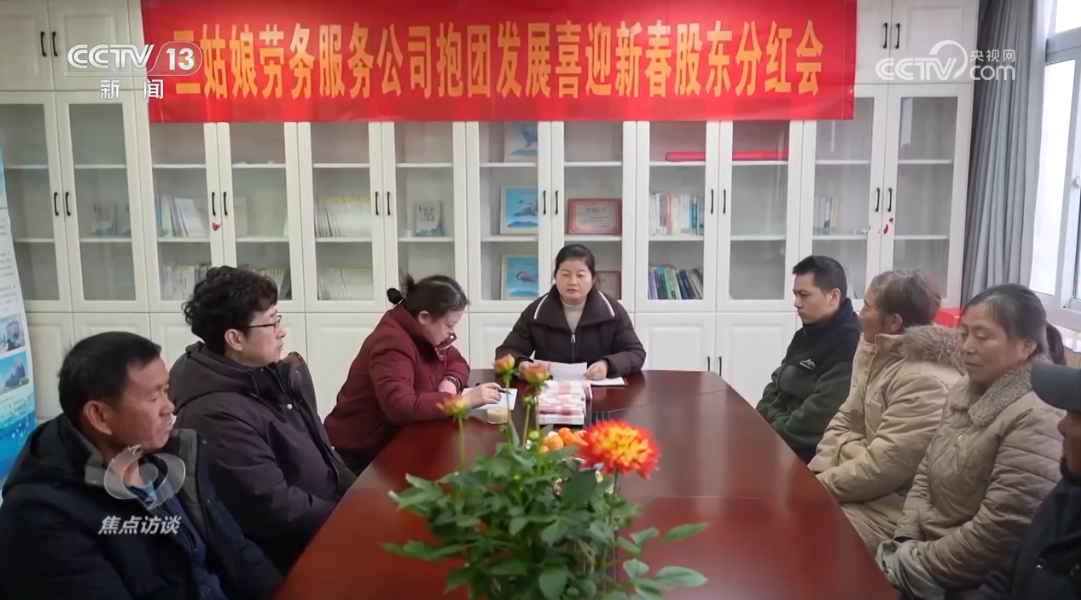
迈过农村物流的“两道坎” 让农产品出村快递进村路更畅
Xin Lang Cai Jing· 2026-02-01 22:24
Core Insights - The article highlights the challenges faced by rural logistics, particularly the difficulties in transporting agricultural products and delivering packages to remote villages [1][2][3] Group 1: Logistics Challenges - Rural logistics face two main obstacles: the "uphill road" for agricultural products and the "downhill road" for deliveries, both hindered by narrow village roads and a lack of cold chain facilities [1] - High transportation loss rates for fresh produce, sometimes exceeding 20%, are attributed to inadequate logistics infrastructure [1] - The cost of rural delivery is unsustainable due to the dispersed nature of deliveries, making it difficult for logistics providers to operate profitably [2] Group 2: Solutions and Innovations - A successful case study in Guanghui Village demonstrates the impact of a multifunctional village service station, which reduced transportation loss rates from approximately 30% to below 10% and increased sales prices by about 20% [3] - The company proposes a "shared + green" approach to improve rural logistics, including the establishment of shared sorting centers and the promotion of electric refrigerated vehicles to reduce cold chain losses [3][4] - Plans to upgrade village logistics stations into entrepreneurial platforms aim to train local partners in both logistics and e-commerce, enhancing their operational capabilities [4]

阳光满羌寨丨从一个村到乡村振兴先行区,石椅村的三年蝶变
Xin Lang Cai Jing· 2026-01-18 00:58
Core Viewpoint - The article highlights the successful transformation of Shiyi Village in North Sichuan Autonomous County, showcasing its development in rural revitalization through the enhancement of specialty agricultural products and rural tourism, as emphasized by President Xi Jinping during a video call [1]. Group 1: Economic Growth - Shiyi Village has seen significant economic improvements, with the number of guesthouses increasing from 19 to 23, and the average annual income per person rising from 45,000 yuan to over 100,000 yuan [1]. - The collective economic income of the village increased from 340,000 yuan to 1.54 million yuan annually, while total tourism revenue grew from 36.2 million yuan to 70.59 million yuan [1]. Group 2: Community Engagement and Innovation - Villagers are actively participating in tourism-related activities, with one resident preparing to increase the production of a local vegetable to meet tourist demand, indicating a shift towards community-driven economic strategies [3]. - The village has become a cultural hub, attracting diverse groups, including overseas youth, and successfully hosting events that draw thousands of participants [8]. Group 3: Collaborative Development - Shiyi Village is collaborating with nearby villages to enhance tourism offerings, leveraging each village's unique resources for mutual benefit [14]. - A new development initiative, the Shiyi Qiangzhai Rural Revitalization Pilot Zone, aims to unify seven towns for coordinated growth, with a projected increase in rural residents' disposable income to over 28,600 yuan by 2025 [14]. Group 4: Future Prospects - The experiences and strategies from Shiyi Village are set to be implemented on a larger scale, as outlined in the "15th Five-Year Plan" for Mianyang City, promoting a structured approach to rural revitalization [16].

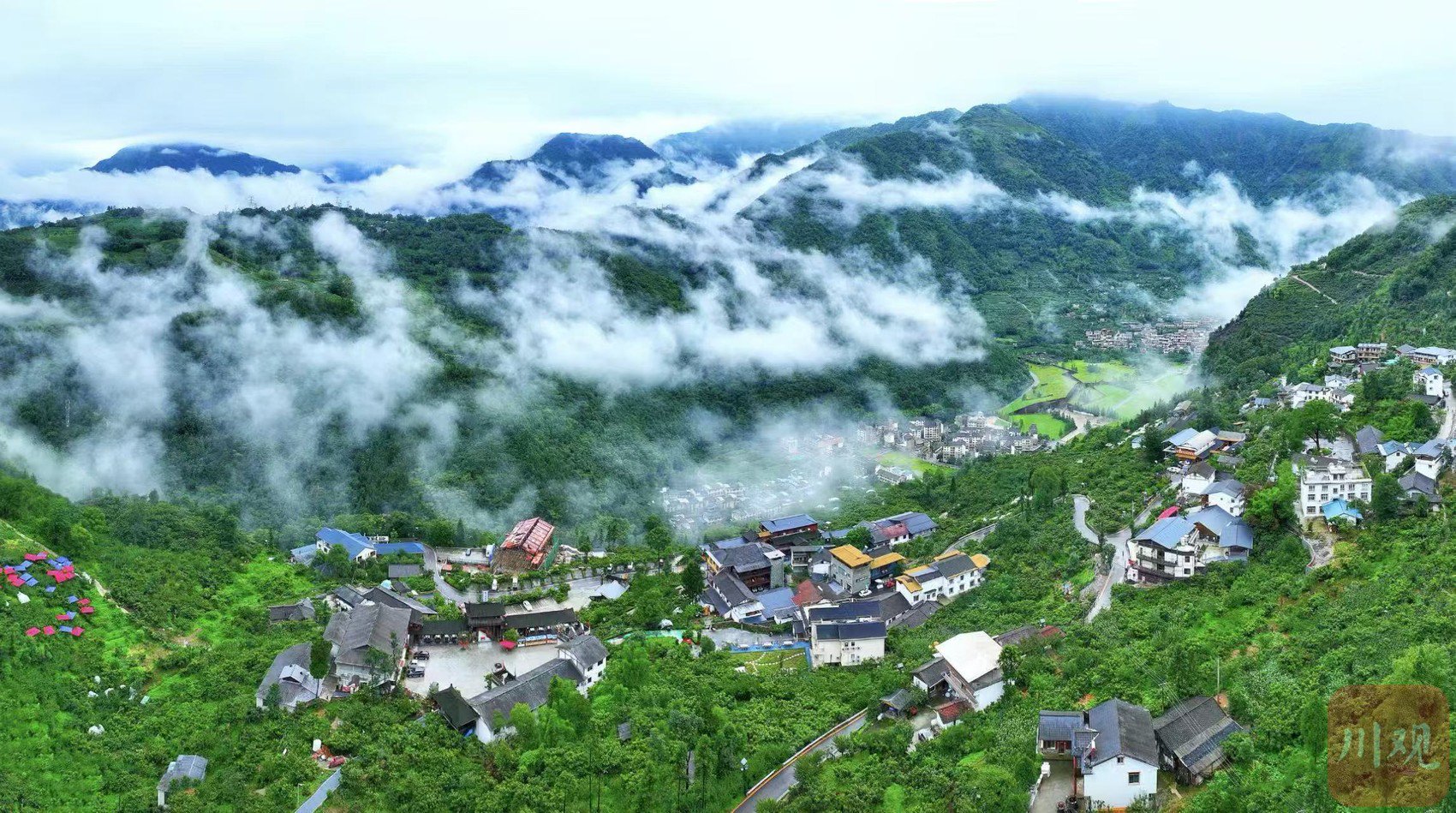
一颗枇杷做出几样文章
Xin Lang Cai Jing· 2026-01-15 22:30
Core Viewpoint - The article highlights the early harvest of loquats in Mi Yi County, emphasizing the local agricultural activities and the upcoming festival to promote the fruit and rural tourism [1] Group 1: Agricultural Production - Mi Yi County has approximately 40,000 acres dedicated to loquat cultivation, with sales expected to continue until mid-May [1] - The loquats are described as golden and plump, indicating a high-quality harvest for the year [1] Group 2: Community Events - The fourth Loquat Opening Festival in Mi Yi County will take place on January 24, featuring activities to showcase the charm of rural life and encourage tourism [1] - Local leaders are promoting the experience of loquat picking as part of the festival, aiming to attract visitors to Longhua Village [1]
焦点访谈|了不起的长江十年蝶变 绘就生态与民生共兴图景
Yang Shi Wang· 2026-01-08 13:31
Core Viewpoint - The implementation of the "coordinated protection and no large-scale development" strategy over the past decade has significantly improved the living conditions and economic opportunities for residents along the Yangtze River Economic Belt, which covers 11 provinces and municipalities, accounting for about one-fifth of the country's area and over 40% of its population [1][22]. Group 1: Economic Transformation - The Yangtze River Economic Belt has seen a substantial increase in regional GDP, now accounting for nearly half of the national total [1]. - The per capita disposable income of residents in the 11 provinces and municipalities has nearly doubled from 23,000 yuan to 44,000 yuan over the past decade [20]. - The number of retired fishermen who have been resettled and found new employment has reached 231,000, with all capable individuals now engaged in new occupations [10]. Group 2: Environmental Restoration - The strategy has led to significant ecological improvements, with a focus on banning illegal fishing and restoring aquatic ecosystems, including a ten-year fishing ban implemented in January 2021 [7][9]. - The transformation of areas like Xuejiawa, which previously suffered from ecological degradation, showcases the successful shift from fishing to alternative livelihoods, such as labor services [5][9]. Group 3: Infrastructure Development - The infrastructure within the Yangtze River Economic Belt has undergone historic advancements, with the addition of approximately 470,000 kilometers of new roads and 134,000 new bridges over the past decade [20]. - The railway operating mileage has increased from 36,600 kilometers to 53,000 kilometers, enhancing connectivity and facilitating economic activities across the region [20]. Group 4: Community and Social Impact - The stories of individuals like Chen Lanxiang, who transitioned from fishing to running a labor company, reflect the broader trend of fishermen finding new paths to stability and prosperity [3][9]. - The establishment of cooperatives and the cultivation of cash crops, such as citrus fruits, have empowered local communities and improved their economic conditions [12][16].
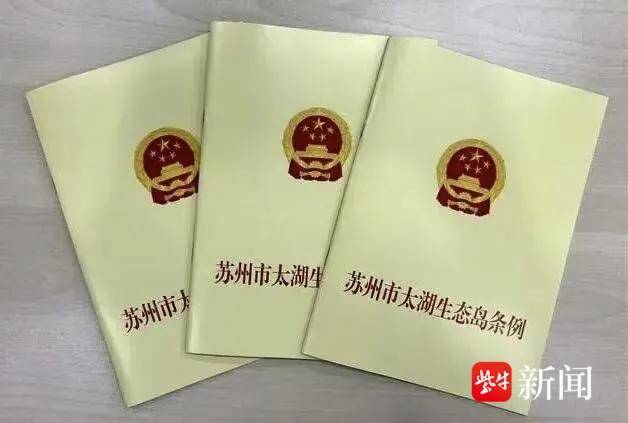
全国6席、全省唯一!苏州吴中“两山”转化实践获农业农村部全国推介
Yang Zi Wan Bao Wang· 2025-12-25 09:00
Core Viewpoint - The "China Rural Sustainable Development Report (2015-2024)" highlights innovative practices in ecological and agricultural transformation, with Wu Zhong District representing Jiangsu Province as a successful case in promoting common prosperity through ecological initiatives [1] Group 1: Institutional Framework - Wu Zhong District has established Jiangsu Province's first special regulation for islands, the "Suzhou Taihu Ecological Island Regulation," creating a comprehensive institutional framework for ecological protection [2] - The framework includes "1 regulation + 2 planning lists + 2 compensation assessment mechanisms," ensuring legal support for ecological protection efforts [2] Group 2: Ecological Compensation Mechanism - Wu Zhong District has developed a comprehensive ecological compensation mechanism covering "mountains, waters, forests, fields, lakes, and grass," introducing diverse methods such as "labor compensation" to benefit protectors [4] - The district has conducted ecological product value accounting, estimating the GEP of Jinting Town's ecological island at 5.6 billion, providing measurable value to ecological benefits [4] Group 3: Industrial Ecology - The district promotes ecological transformation in agriculture, implementing organic fertilizer usage and "dual control" of fertilizers and pesticides, resulting in a significant reduction in nitrogen and phosphorus pollution [5] - The introduction of smart agricultural technologies has led to a 44% reduction in average costs per mu and increased yields, showcasing the shift from experience-driven to data-driven farming [5] Group 4: Ecological Industrialization - Wu Zhong District aims to convert ecological advantages into developmental benefits, enhancing the economic value of its beautiful landscapes [7] - The district successfully increased the brand value of "Dongting Mountain Biluochun" from 6.153 billion to 10.508 billion, boosting the market competitiveness of its agricultural products [8] Group 5: Agricultural and Tourism Integration - The integration of agriculture, culture, and tourism is a key strategy for ecological industrialization, with nearly 1,400 leisure agriculture entities and 498 registered tourism homestays [8] - The district's initiatives have attracted over 200,000 visitors in single events, generating tourism revenue exceeding 10 million, fostering a development model that enhances agriculture through tourism [8] Group 6: Economic Growth and Common Prosperity - The innovative "order agriculture + shareholding cooperation" model has increased the average income of over 20,000 tea farmers from 4,000 to 12,000 [9] - The total assets of village collectives in the district have reached 20.6 billion, with an average income of 1.83 million per village, indicating a widening path towards common prosperity [9] - Wu Zhong District plans to continue deepening ecological value transformation and promote rural revitalization as a model for sustainable development [9]
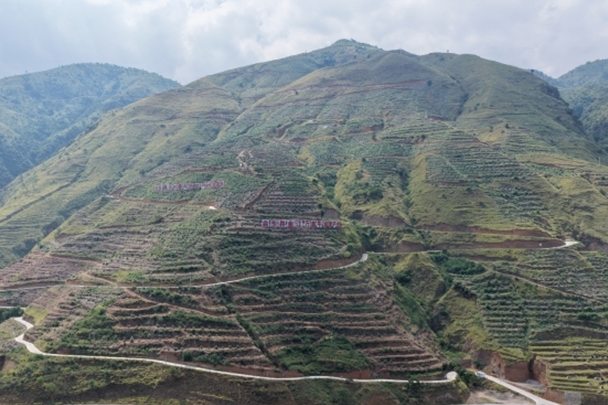
“搬得出”“能致富” 四川会东答好移民“安居乐业”时代考卷
Zhong Guo Jing Ji Wang· 2025-12-24 13:55
Core Viewpoint - The article emphasizes the importance of high-quality resettlement work for the communities affected by large hydropower projects, focusing on ensuring that displaced populations can move out, settle down, and achieve prosperity through targeted support and development initiatives [1]. Group 1: Resettlement and Support Policies - The county has implemented national policies for the post-support of large reservoir migrants, establishing a comprehensive support system to ensure the successful resettlement and economic integration of displaced communities [1][2]. - A work team has been formed to focus on key areas such as industrial development and improving living standards, aiming to transition from mere housing to sustainable livelihoods for the migrants [1][8]. Group 2: Development of Supporting Industries - The county is leveraging its climatic advantages to develop distinctive supporting industries tailored for the migrant population, which are crucial for their economic prosperity [2][4]. - The establishment of the Jinjiang Avocado Industrial Park has created over 15,000 job opportunities annually and is expected to generate over 200 million yuan in additional income for the local community [4][5]. Group 3: Infrastructure Development - Infrastructure improvements are being prioritized to support the resettlement process, including water, electricity, and road enhancements, which are essential for the migrants' daily lives and economic activities [9][10]. - Specific projects, such as the construction of irrigation stations and road upgrades, have directly benefited thousands of residents, enhancing their productivity and quality of life [9][11]. Group 4: Skills Training and Empowerment - The county has initiated ongoing training programs to equip migrants with necessary skills for new industries, focusing on practical agricultural techniques and fostering self-sufficiency [12][14]. - Over 100 training sessions have been conducted, benefiting more than 5,000 individuals and cultivating over 200 local leaders in various agricultural sectors [12][15]. Group 5: Ecotourism and Cultural Integration - The county is exploring new pathways for development by integrating supporting industries with ecotourism, capitalizing on the natural beauty and fishing resources of the region [5][6]. - The establishment of Jinjiang Fishing Village has attracted significant tourist traffic, providing additional income streams for local residents and enhancing the community's economic resilience [6][8]. Group 6: Future Goals and Vision - The county aims to continue its efforts in ensuring that displaced populations can thrive economically, with a focus on transforming the hydropower resettlement area into a model for rural revitalization characterized by prosperous industries, affluent residents, and a beautiful environment [16].
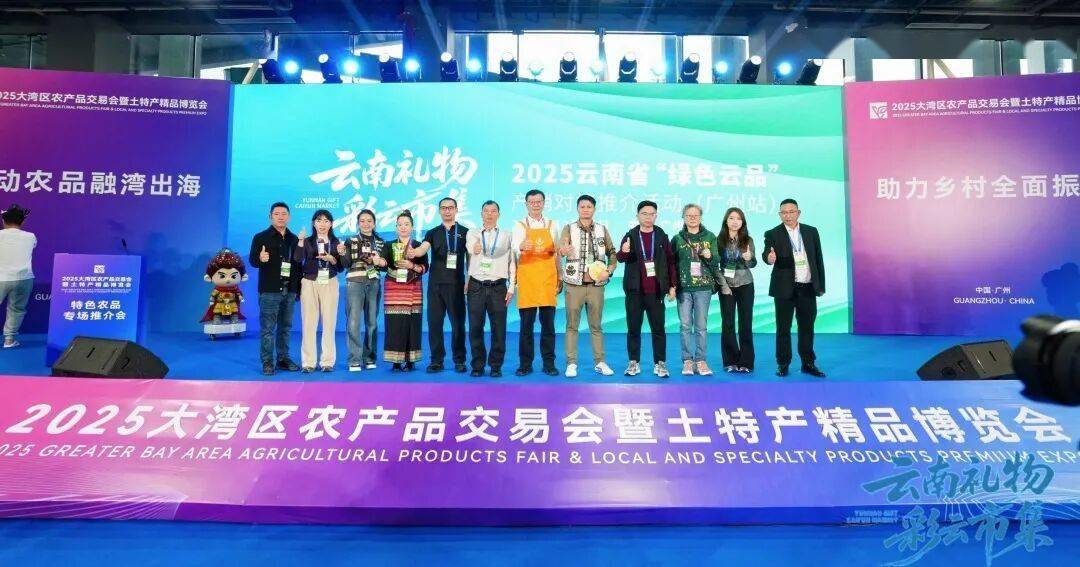
深耕重点市场 促进融湾出海──“云南礼物·彩云市集”消费品牌走进广州
Sou Hu Cai Jing· 2025-12-18 10:20
Group 1 - Yunnan Province's Commerce Department organized 45 quality "Yun Products" enterprises to showcase popular products at the 2025 Greater Bay Area Agricultural Products Trade Fair and Specialty Products Expo [2] - The event aims to deepen the traditional key market and explore high-end consumer demand in the Bay Area, reinforcing the "green Yun Products" provincial brand advantage [2] - The trade fair serves as a significant platform for the branding and internationalization of "green Yun Products," leveraging the Greater Bay Area's vast consumer market [4] Group 2 - The Yunnan exhibition area featured a 200 square meter specially designed booth, aligning with the Bay Area's food industry trends of "high quality, strict standards, light health, and convenience" [4] - The exhibition highlighted Yunnan's unique advantages in "premium selection, innovative processing, and diverse supply," attracting significant attention from domestic and international buyers [4] - The event achieved extensive media exposure, enhancing the brand visibility and market influence of "green Yun Products" through a "media+" empowerment model [6] Group 3 - Yunnan's exhibition team adopted a dual approach of "traditional + digital" channels to expand online and offline sales avenues [8] - Participation in the "40th Anniversary of China's Agricultural Products Wholesale Market Development Conference" allowed Yunnan enterprises to understand new trends in agricultural product circulation [8] - The exhibition included live streaming to showcase product features, facilitating customer engagement and interaction [8] Group 4 - The Commerce Department plans to continue innovating the "Yunnan Gift · Colorful Cloud Market" consumer brand cultivation, enhancing brand value and market vitality [9]
诚志股份:以教育筑基 用产业兴村——探访赣西乡村振兴路上的国企担当
Huan Qiu Wang· 2025-11-04 02:38
Core Viewpoint - The article highlights the successful rural revitalization efforts by Chengzhi Co., which have transformed impoverished villages in Jiangxi Province through education, infrastructure, and industry development since 2015 [1][15]. Education Improvement - Chengzhi Co. prioritized educational support, investing nearly 400,000 yuan to acquire land and renovate a dilapidated primary school in Guanjia Village, resulting in a modern campus that significantly improved teaching quality [3][5]. - The school underwent a transformation from a dangerous building to a modern facility with expanded space from 1,600 square meters to 9,200 square meters, including new classrooms and recreational areas [3][6]. Infrastructure Development - The company focused on improving local infrastructure, constructing 7 kilometers of new village roads and 9 kilometers of household access roads, enhancing transportation for villagers and agricultural products [6][8]. - Installation of 196 solar streetlights improved nighttime safety and accessibility for villagers, receiving positive feedback from the community [6][8]. Industry Development - Chengzhi Co. established a "cooperative + farmer" model in Guanjia Village, converting 50 acres of abandoned land for the cultivation of passion fruit and other crops, creating over 20 jobs and generating annual income exceeding 200,000 yuan for villagers [9][12]. - In Taowen Village, the company implemented a similar agricultural model, leading to the successful cultivation of high-value crops, with passion fruit yielding 1,000 pounds per acre and selling for 20 yuan per pound in 2024 [9][12]. Corporate Social Responsibility - Over ten years, Chengzhi Co. invested millions in various support projects, leading to the complete poverty alleviation of Guanjia Village and significant income growth for the village collective [12][15]. - The company’s approach to rural revitalization emphasizes sustainable development, combining educational foundations, industry growth, and community welfare, creating a replicable model for corporate social responsibility [15].

中医这样应对秋乏
Ren Min Ri Bao· 2025-10-17 01:06
Group 1 - The article discusses the phenomenon of autumn fatigue, which is attributed to the body's energy depletion during summer and the dryness associated with autumn [1] - It suggests dietary adjustments to alleviate autumn fatigue, recommending foods that boost energy such as astragalus, codonopsis, and yam for those experiencing qi deficiency, and foods that strengthen the spleen and eliminate dampness like loquat, radish, and poria for those with phlegm-damp type fatigue [1] - The article also recommends taking short naps between 11 AM and 1 PM to relieve brain fatigue and improve energy levels [1] Group 2 - For children, the article provides three methods to alleviate autumn fatigue, including gentle ear massages and specific pressure points on the ear [2] - It advises against giving children energy drinks that contain caffeine, as excessive caffeine can lead to sleep disturbances and affect their development [2]