少数民族文化

Search documents
穿腻黑色羽绒服的打工人,都买票去这避寒了
3 6 Ke· 2026-02-10 04:22
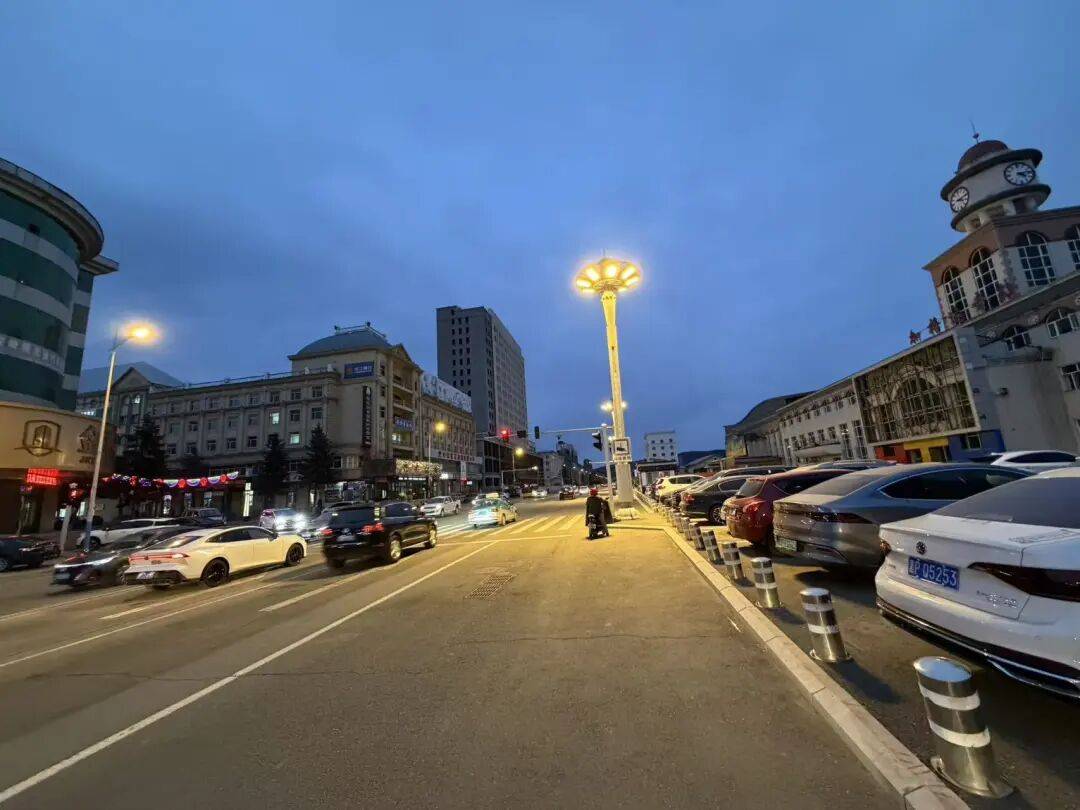
Group 1 - The article highlights the increasing recognition of Lincang, Yunnan, as a hidden gem in China, particularly after the recent visit of the British Prime Minister, who enjoyed local cuisine [1][3] - Lincang is characterized by its mild climate, diverse geography, and rich biodiversity, making it an attractive destination for both tourists and researchers [4][6] - The region is known for its unique tea and coffee production, with Lincang coffee beans winning awards and fetching high prices at auctions, indicating a shift towards quality over quantity in agricultural products [12][14] Group 2 - Lincang is home to a variety of ethnic minorities, contributing to its rich cultural tapestry and culinary diversity, with local dishes reflecting the flavors of different communities [21][25] - The region's agricultural output includes significant production of macadamia nuts and rice noodles, which are integral to local cuisine and economy [25][27] - Cultural events and festivals in Lincang, such as the "Mochi Black" festival, showcase the vibrant traditions and communal spirit of the local population, enhancing the region's appeal as a cultural tourism destination [22][29]

她16岁因太美被印在人民币上,多年过去,46岁才知头像是自己
Sou Hu Cai Jing· 2025-12-09 08:27
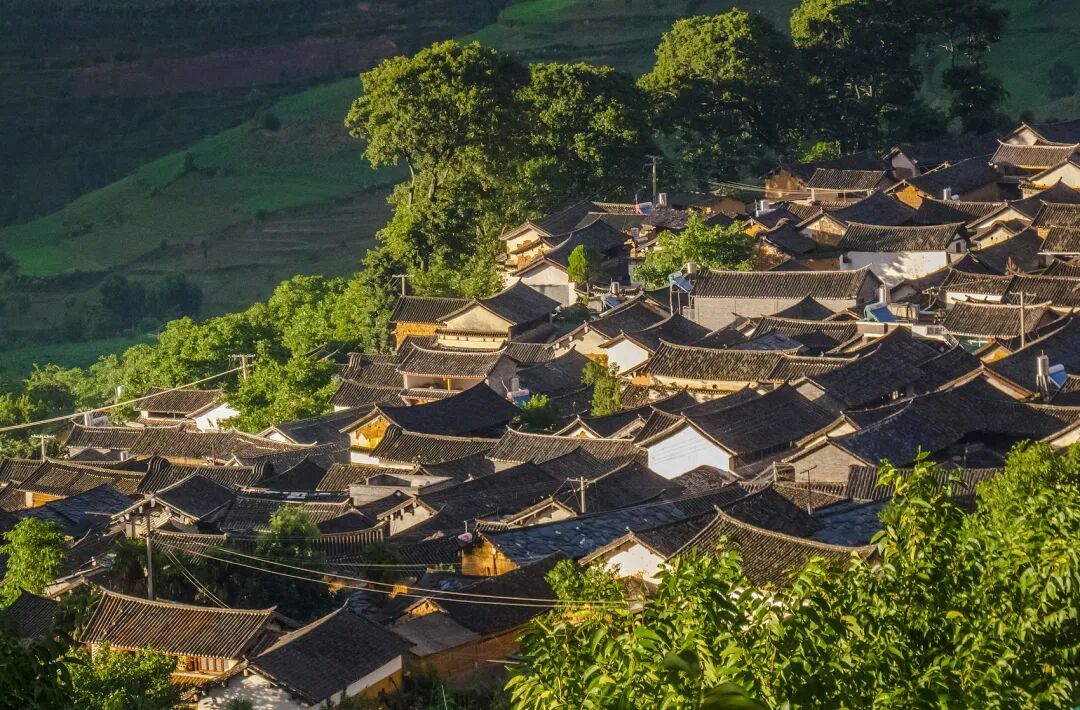
你有多久没有使用纸币了?大多数年轻人可能会回答:早已记不清了。现在,随着科技的发展,我们很多人在外面支付时,只需用手机一扫,就能完成交 易,十分便捷,这也成为了现代人常用的支付方式。然而,仍然有一部分人习惯使用纸币,因为纸币不仅是我国的法定货币,也是流通中的重要方式,另 外,一些人觉得手里拿着现金才会觉得踏实。 目前,我国的人民币一共有五套,每一套的设计都各具特色。你还记得第四套人民币的样子吗?它的设计上有着我国各个民族的头像,色彩丰富且充满艺术 感。这个故事的主角是一位16岁的少女,因为她的美丽,被画家选中作为第四套人民币上的人物之一。多年后,这个少女在46岁时才得知,原来人民币上的 头像就是自己。 在第四套人民币的设计开始之前,画家侯一民走遍了我国的各个少数民族地区,寻找灵感。有一次,他在贵州遇到了一位美丽的16岁少女,最终决定将她的 侧脸画下来,这幅画后来就出现在了第四套一元人民币上。原来,这位16岁的少女叫石奶引,是贵州的侗族人。她的外貌美丽,乌黑的长发和明亮的眼睛让 她显得格外迷人,更重要的是,她的外貌展现了我国少数民族的特征。 石奶引小时候就因其美丽而在村子里小有名气。然而,她的家庭贫困,家中有六 ...
闯入鲜卑祖庭:一个仅存9000人的民族正被遗忘
Hu Xiu· 2025-10-21 04:27
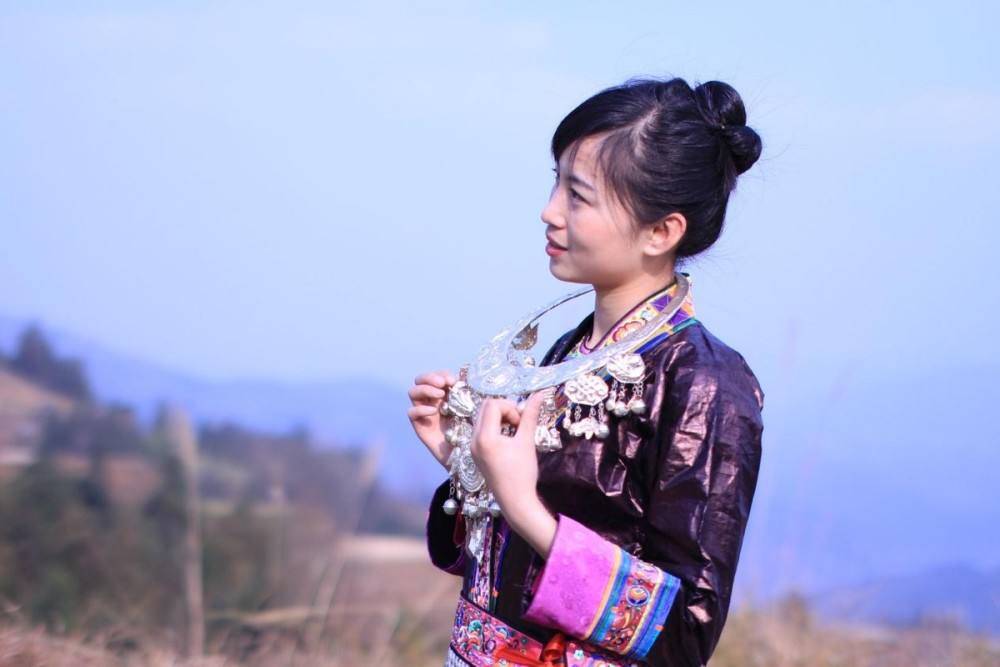
Group 1 - The article discusses the author's recent visit to lesser-known places in Northeast China, specifically Qiqihar and the more obscure city of Gagadaqi [1][3] - Gagadaqi is identified as the largest city in the Daxing'anling region, which is administratively managed by Heilongjiang Province, despite parts of it being located in Inner Mongolia [4] - The name Gagadaqi means "place with Chinese pine" in the Oroqen language, and it serves as a gateway to experience the customs of the Oroqen people [6] Group 2 - The article highlights the cultural significance of the Oroqen people, noting their connection to the historical Xianbei tribe, and their current population is around 9,000 [2][8] - The author participated in a commercial variety show that showcased Oroqen culture, including traditional songs, dances, and archery [9] - The production of the variety show involves collaboration with local governments to promote tourism and cultural awareness, with the show being aired on platforms like Mango TV and Hunan TV [12][13] Group 3 - The article describes the natural beauty of the Daxing'anling region during autumn, emphasizing the cold climate and the resilience of the Oroqen people who have adapted to this environment [14] - Gagadaqi has limited transportation options, with a few flights connecting to major cities and a reliance on traditional green trains for travel [20][23] - Qiqihar, the second-largest city in Heilongjiang, is characterized as a larger county town with a rich history and cultural significance, including its connection to the Daur ethnic group [26][25]