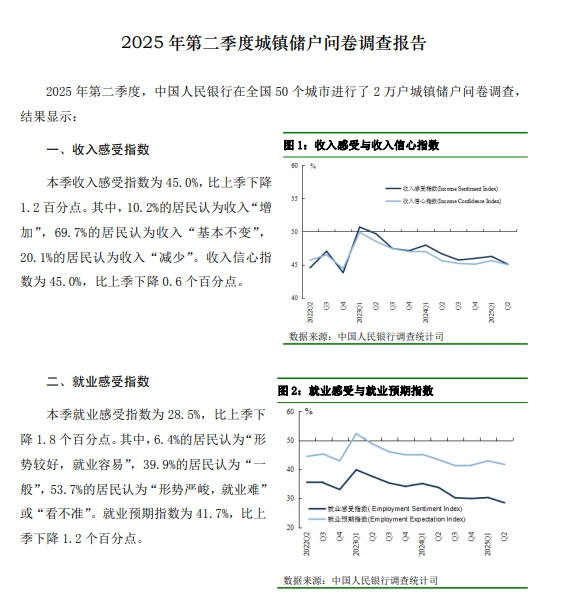
就业预期指数

Search documents
任泽平:未来房价上涨的3大核心信号
泽平宏观· 2026-03-02 16:07
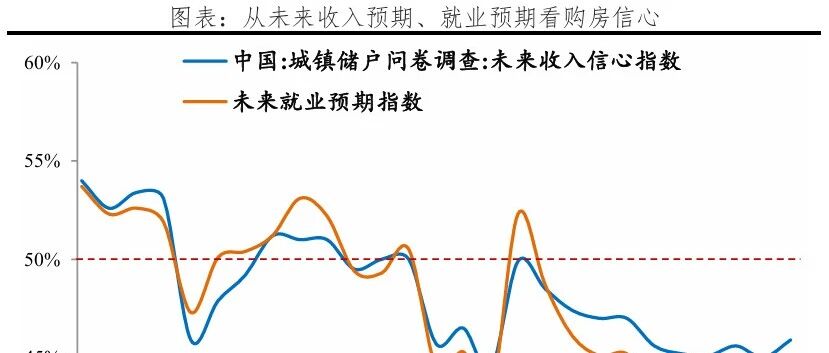
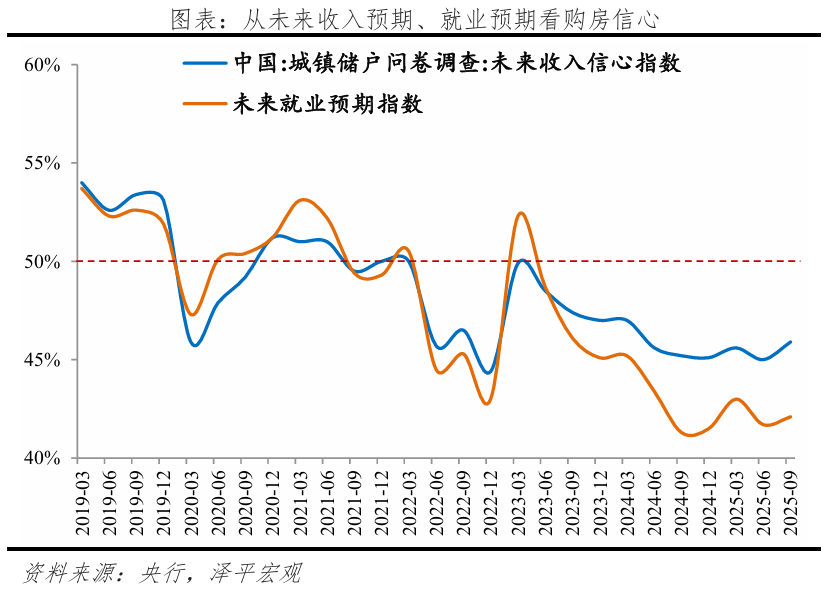
Core Viewpoint - The real estate market is expected to experience a divergence, with only 20% of core cities likely to see price increases, while 80% of other cities may continue to decline [2] Group 1: Future Price Signals - The first signal for future price increases is a significant policy shift from "relaxation" to "encouragement," indicating a major change in government stance towards the real estate market [4][5] - The second signal is the emergence of an economic turning point, with leading indicators such as the manufacturing PMI new orders index showing signs of recovery, which supports housing demand [9] - The third signal involves a reversal in supply-demand dynamics, where hotspots with increasing population and decreasing land supply will see price increases [12] Group 2: Policy Changes - Future policy signals are expected to include a comprehensive easing of purchase restrictions, particularly in first-tier cities, and a significant reduction in mortgage rates, potentially reaching historical lows [7][8] - Tax reductions and incentives for homebuyers, such as exemptions on deed tax and subsidies for families, are anticipated to restore market confidence [7] Group 3: Economic Indicators - The recovery of the economy, reflected in rising employment and income levels, is crucial for supporting the housing market, with specific indicators like the urban resident income confidence index being key [9] Group 4: Supply and Demand - The supply of residential land is projected to decrease significantly, with a notable 18% year-on-year drop in land transaction area, while premium land parcels continue to attract high bids, indicating strong market confidence in core cities [12]

任泽平:未来房价上涨的3大信号
Jin Rong Jie· 2026-01-24 06:35
Core Viewpoint - The real estate market is expected to experience a significant shift, with only 20% of core cities likely to see housing prices reach new highs, while the remaining 80% may face prolonged declines [2]. Group 1: Policy Signals - The policy environment is shifting from "relaxation" to "encouragement," indicating a major transformation in the government's approach to the real estate market [3]. - The government has previously emphasized "housing is for living, not for speculation," and is now moving towards measures that will promote market stabilization and recovery [4]. - Future policy measures are expected to include the lifting of purchase restrictions, significant reductions in mortgage rates, and tax relief to restore market confidence [6]. Group 2: Economic Indicators - Economic recovery, indicated by rising employment and household income, is essential for supporting the housing market, with the manufacturing PMI new orders index serving as a key leading indicator [7]. - Historical data shows that when the new orders index rebounds, housing prices in major cities tend to rise, as seen in previous years [7][8]. Group 3: Supply and Demand Dynamics - A reversal in supply-demand dynamics is anticipated, with a decrease in residential land transaction area by 18% year-on-year, while premium land parcels remain highly sought after [10]. - Core cities are experiencing population inflows, which, combined with limited land supply, is expected to improve the supply-demand balance and drive up housing prices [10].
央行调查报告:56.8%的居民预期下季度房价“基本不变”
Sou Hu Cai Jing· 2025-08-01 01:11
Core Insights - The People's Bank of China conducted a survey in 50 cities, revealing a decline in income and employment sentiment among urban residents in the second quarter of 2025 [1][2] Income and Employment Sentiment - The income perception index stands at 45.0%, down by 1.2 percentage points from the previous quarter, with 10.2% of residents feeling their income has "increased" [1] - The employment perception index is at 28.5%, a decrease of 1.8 percentage points, with 6.4% believing "the situation is good, and employment is easy" [1] Price and Housing Expectations - The price expectation index for the next quarter is 56.4%, down by 0.7 percentage points, with 20.3% expecting prices to "rise" [1] - For housing prices, 8.9% of residents expect "an increase," while 21.7% anticipate a "decrease" [2] Consumer Behavior and Investment Preferences - 23.3% of residents prefer "more consumption," a decrease of 0.5 percentage points, while 63.8% lean towards "more savings," an increase of 1.5 percentage points [2] - The top five preferred investment methods are "bank non-principal guaranteed wealth management," "fund trust products," "stocks," "bonds," and "non-consumption insurance," with respective preferences of 34.8%, 24.7%, 16.3%, 15.3%, and 9.8% [2] Future Spending Plans - The top five items residents plan to increase spending on in the next three months are travel (32.1%), education (31.9%), healthcare (29.3%), social culture and entertainment (24.0%), and large goods (21.1%) [2]
中国央行二季度城镇储户问卷调查报告:本季收入感受指数为45.0%,比上季下降1.2 百分点
news flash· 2025-07-29 05:34
Group 1: Income Perception - The income perception index for the second quarter of 2025 is 45.0%, a decrease of 1.2 percentage points from the previous quarter [1][2] - 10.2% of residents believe their income has "increased," 69.7% feel it is "basically unchanged," and 20.1% think their income has "decreased" [2] Group 2: Employment Perception - The employment perception index stands at 28.5%, down 1.8 percentage points from the last quarter [4] - 6.4% of residents view the employment situation as "good and easy," while 53.7% consider it "severe and difficult" or "uncertain" [4] Group 3: Price and Housing Price Expectations - The price expectation index for the next quarter is 56.4%, a decline of 0.7 percentage points from the previous quarter [6] - 20.3% of residents expect prices to "rise," while 60.1% anticipate them to remain "basically unchanged" [6] Group 4: Consumption, Savings, and Investment Willingness - 23.3% of residents are inclined towards "more consumption," a decrease of 0.5 percentage points from the last quarter [8] - 63.8% prefer "more savings," an increase of 1.5 percentage points, while 12.9% are inclined towards "more investment," down 1.1 percentage points [8] Group 5: Future Spending Plans - The top five areas where residents plan to increase spending in the next three months are tourism (32.1%), education (31.9%), healthcare (29.3%), social culture and entertainment (24.0%), and big-ticket items (21.1%) [13]