楼市二八现象

Search documents
任泽平:未来房价上涨的3大核心信号
泽平宏观· 2026-03-02 16:07
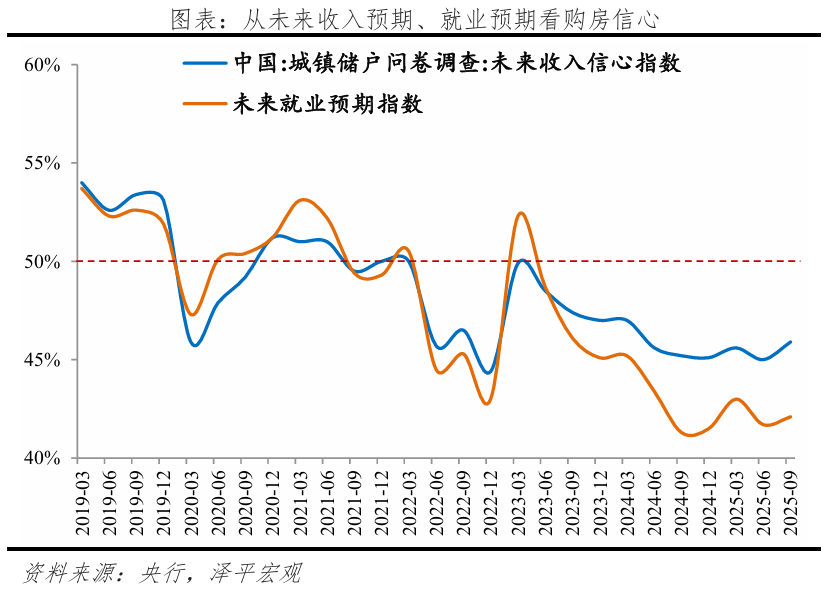
Core Viewpoint - The real estate market is expected to experience a divergence, with only 20% of core cities likely to see price increases, while 80% of other cities may continue to decline [2] Group 1: Future Price Signals - The first signal for future price increases is a significant policy shift from "relaxation" to "encouragement," indicating a major change in government stance towards the real estate market [4][5] - The second signal is the emergence of an economic turning point, with leading indicators such as the manufacturing PMI new orders index showing signs of recovery, which supports housing demand [9] - The third signal involves a reversal in supply-demand dynamics, where hotspots with increasing population and decreasing land supply will see price increases [12] Group 2: Policy Changes - Future policy signals are expected to include a comprehensive easing of purchase restrictions, particularly in first-tier cities, and a significant reduction in mortgage rates, potentially reaching historical lows [7][8] - Tax reductions and incentives for homebuyers, such as exemptions on deed tax and subsidies for families, are anticipated to restore market confidence [7] Group 3: Economic Indicators - The recovery of the economy, reflected in rising employment and income levels, is crucial for supporting the housing market, with specific indicators like the urban resident income confidence index being key [9] Group 4: Supply and Demand - The supply of residential land is projected to decrease significantly, with a notable 18% year-on-year drop in land transaction area, while premium land parcels continue to attract high bids, indicating strong market confidence in core cities [12]

任泽平:未来房价上涨的3大信号
Jin Rong Jie· 2026-01-24 06:35
Core Viewpoint - The real estate market is expected to experience a significant shift, with only 20% of core cities likely to see housing prices reach new highs, while the remaining 80% may face prolonged declines [2]. Group 1: Policy Signals - The policy environment is shifting from "relaxation" to "encouragement," indicating a major transformation in the government's approach to the real estate market [3]. - The government has previously emphasized "housing is for living, not for speculation," and is now moving towards measures that will promote market stabilization and recovery [4]. - Future policy measures are expected to include the lifting of purchase restrictions, significant reductions in mortgage rates, and tax relief to restore market confidence [6]. Group 2: Economic Indicators - Economic recovery, indicated by rising employment and household income, is essential for supporting the housing market, with the manufacturing PMI new orders index serving as a key leading indicator [7]. - Historical data shows that when the new orders index rebounds, housing prices in major cities tend to rise, as seen in previous years [7][8]. Group 3: Supply and Demand Dynamics - A reversal in supply-demand dynamics is anticipated, with a decrease in residential land transaction area by 18% year-on-year, while premium land parcels remain highly sought after [10]. - Core cities are experiencing population inflows, which, combined with limited land supply, is expected to improve the supply-demand balance and drive up housing prices [10].
任泽平:未来房价上涨的3大信号
泽平宏观· 2026-01-23 16:41
Core Viewpoint - The real estate market is experiencing a significant downturn, with sales halving compared to peak levels, and prices in first and second-tier cities dropping by 20%-30%. A new perspective suggests that only 20% of core cities will see prices rise again, while 80% will face prolonged declines [2]. Group 1: Signals for Future Price Increases - The first major signal is a shift in policy from "relaxation" to "encouragement," indicating a significant change in government stance towards the real estate market. This includes potential easing of restrictions on purchases and loans [4][5]. - The second signal is the emergence of an economic turning point, with leading indicators such as the manufacturing PMI new orders index showing recovery, which supports housing demand [9]. - The third signal involves a reversal in supply-demand dynamics, where hotspots with increasing populations and decreasing land supply will see price increases. For instance, residential land transaction areas are expected to drop by 18% year-on-year in 2024, while core cities continue to attract young populations [12]. Group 2: Policy Changes and Economic Indicators - Future policy signals are expected to include comprehensive easing of purchase restrictions, significant reductions in mortgage rates, and tax relief measures to restore market confidence [7][8]. - Historical precedents indicate that prior to market recoveries, key policy changes such as interest rate cuts and the easing of purchase restrictions have been critical [8]. - Economic recovery indicators, such as the urban resident income confidence index and employment expectations, are crucial for predicting housing market trends [9]. Group 3: Long-term Investment Strategy - The long-term strategy emphasizes the importance of investing in core cities and prime locations to ensure property value appreciation and resilience against market cycles. The "80/20 phenomenon" in real estate suggests focusing on the top 20% of cities for investment opportunities [14].