展览经济

Search documents
去年我国经贸类展会数量和展览总面积创新高—— 会展业综合带动效应不断放大
Jing Ji Ri Bao· 2026-01-31 22:25
Group 1 - The core report from the China Council for the Promotion of International Trade indicates that by 2025, China will host 4,095 trade exhibitions with a total exhibition area of 159 million square meters, representing year-on-year growth of 6.53% and 2.5% respectively, both setting historical records [1] - The exhibition industry is recognized as a crucial vehicle for guiding industrial development and promoting economic cooperation, with China's complete industrial and innovation systems providing a broad market space for deepening cooperation in the exhibition sector [1] - The report highlights that the actual transaction value of self-organized overseas exhibitions is expected to grow by 19.09% in 2025, with the average transaction value increasing by 14.16% year-on-year [1] Group 2 - Various regions, including Guangdong, Jiangxi, Tianjin, and Chongqing, are integrating the exhibition industry into special actions to boost consumption, encouraging the hosting of consumer exhibitions and activities that transform exhibition scenarios into consumption scenarios [2] - The exhibition industry is evolving from merely meeting trade demands to nurturing industrial ecosystems, with a focus on collaboration across the entire industrial chain and fostering synergies among enterprises of different sizes [2] - By 2025, numerous policy documents will be introduced to support the development of the exhibition industry, creating a multi-faceted support system that includes rewards, subsidies, and tax reductions, aimed at matching the diverse needs of the exhibition sector [2] Group 3 - In Hubei, nearly 2,000 exhibitions are planned for 2025, with over 100 exhibitions exceeding 10,000 square meters, attracting participants from over 120 countries and regions, and generating contracts worth over 300 billion yuan [3] - The exhibition industry is increasingly integrating with key sectors such as automotive, biomedicine, and modern agricultural processing, creating a positive cycle of mutual promotion between exhibitions and industries [3] - The development of China's exhibition economy is characterized by a competitive landscape among international, regional, and specialty cities, with each focusing on different aspects to enhance their exhibition capabilities and drive urban development [3]
中国展览经济发展报告2025-中国国际贸易促进委员会
中国国际贸易促进委员会· 2026-01-26 06:35
Investment Rating - The report indicates a positive outlook for the exhibition industry in China for 2025, with expectations of growth and increased internationalization [6]. Core Insights - The overall industry is progressing steadily, with the number and area of trade exhibitions in China reaching historical highs in 2025, and the level of internationalization continuing to improve [6]. - The regional distribution of exhibitions is optimizing, with an increased share of exhibitions in the central and western regions, while the Yangtze River Delta, Pearl River Delta, and Beijing-Tianjin-Hebei remain major hubs [6]. - The structure of overseas exhibitions is improving, with significant growth in projects in Asia, Latin America, and Africa, while the share of traditional markets in Europe and America has slightly decreased [6]. - The acceleration of green and digital transformation in exhibition venues is notable, with a significant increase in the number of operational exhibition venues and the implementation of green venue standards, alongside widespread use of technologies like AI and VR [6]. - There is a clear policy drive, with local governments introducing special policies to support the integration of the exhibition industry with consumption, cultural tourism, and industry [6]. - Major exhibition platforms such as the Chain Expo, China International Import Expo, and Canton Fair are highlighted as important windows for opening up to the outside world [6]. - The outlook for 2026 is optimistic, with the exhibition industry expected to continue playing a significant role in the construction of a modern industrial system, leading new consumption, and empowering the digital economy [6]. Summary by Relevant Sections Market Performance - In 2025, the number of domestic trade exhibitions is projected to be 4,095, covering an area of 1.59 million square meters, marking a historical high [7]. - The central and western regions are expected to see an increase in exhibition share, indicating a trend towards regional balance [7]. - The number of UFI-certified members in China (excluding Hong Kong, Macau, and Taiwan) is 258, with overseas exhibitions covering 57 countries [7]. Technological and Policy Environment - The implementation of AI, VR, and green venue standards is expected to enhance the digitalization and sustainability of the exhibition industry [7]. - Various local governments are expected to continue introducing supportive policies for the exhibition industry [7].
高端品牌多形态聚集,下半年南京持续引领区域时尚商业新格局
Yang Zi Wan Bao Wang· 2025-09-06 08:28
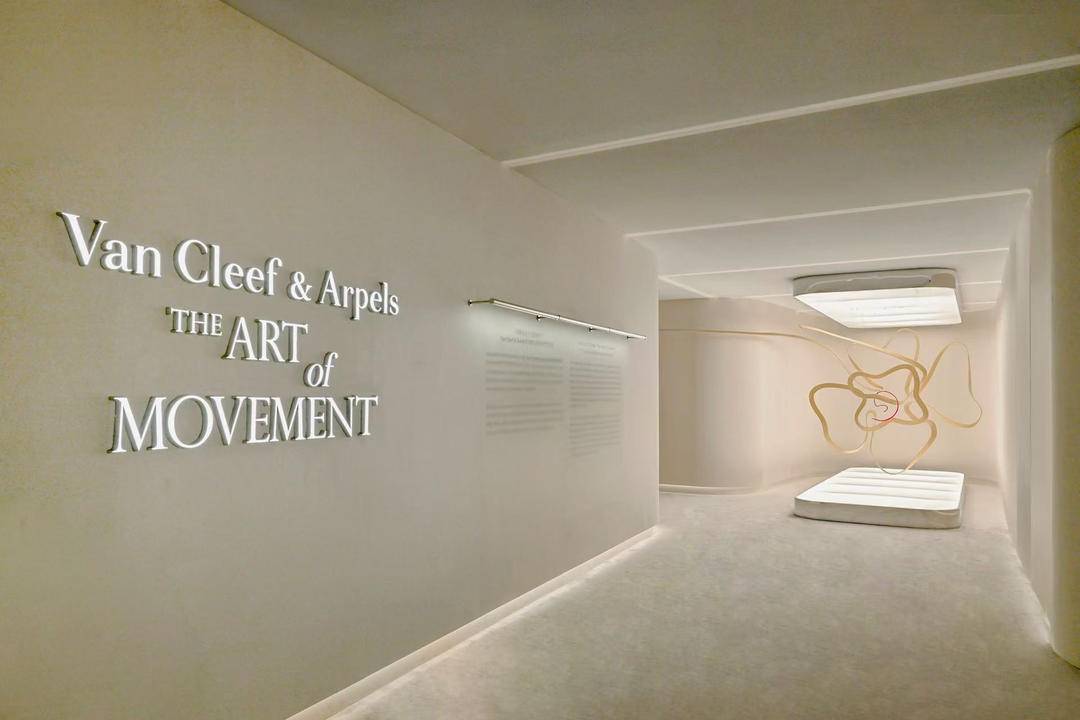
Group 1: Market Trends - Nanjing's high-end consumer market is experiencing a significant brand influx, with major luxury brands launching new stores and exhibitions in the region [1][3][17] - The recent openings and exhibitions signal Nanjing's emergence as a strategic hub for high-end brands in East China, expanding its influence beyond city borders [3][19] Group 2: Brand Activities - Van Cleef & Arpels' high jewelry exhibition, showcasing over 100 pieces, is running until October 9, indicating strong cultural engagement [4][3] - The opening of Vivienne Westwood's first outlet in Nanjing reflects a shift in luxury retail strategies, appealing to younger consumers with unique store designs and exclusive offers [9][11] - GP Girard-Perregaux's exhibition of its crown collection in Nanjing highlights the brand's focus on immersive customer experiences rather than just sales [6][8] Group 3: Consumer Behavior - The demand for high-end cultural consumption in Nanjing is evident, with recent exhibitions quickly selling out, indicating a robust market for luxury experiences [8][19] - The opening of the only Rolex store in Anhui province has exceeded sales expectations, demonstrating the underestimated high-end consumption potential in the region [12][14] Group 4: Regional Dynamics - Nanjing's geographical position and cultural heritage attract luxury brands, making it a key player in the East China market [19] - The synergy between Nanjing and nearby cities like Hefei is fostering increased consumer mobility, enhancing the overall luxury shopping experience in the region [16][19]