
工艺溢价

Search documents
金价真是变天了,2月15日节假日全国金价竟然差这么多?
Sou Hu Cai Jing· 2026-02-15 09:50
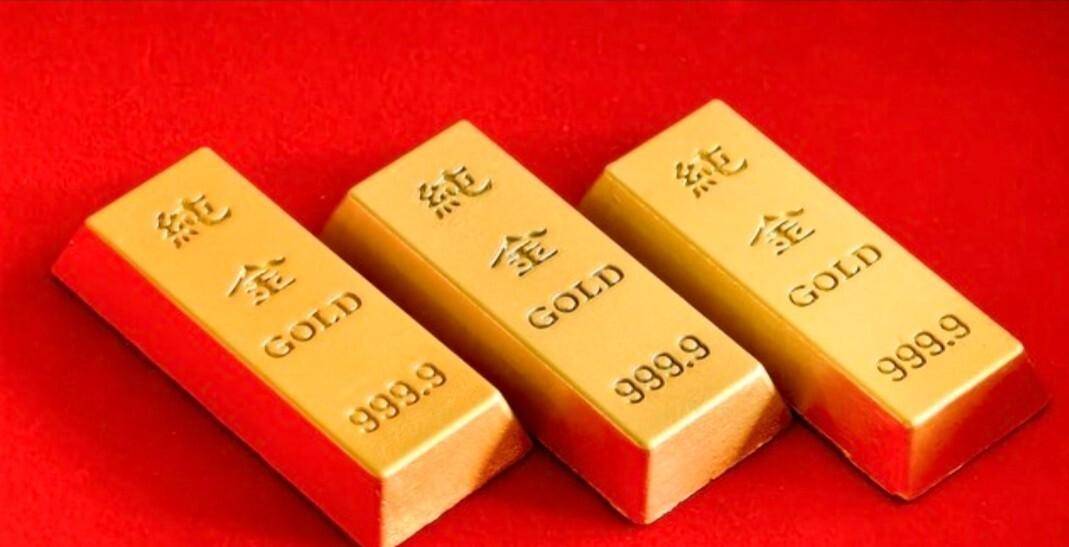
Core Viewpoint - The article highlights the significant price discrepancies in gold jewelry across different regions and retail formats in China, illustrating how branding, location, and market strategies contribute to these variations. Group 1: Price Discrepancies - A gold bracelet priced at 1560 CNY per gram in a Beijing store is significantly higher than the same item priced at 1538 CNY per gram in a store in Baoding, showing a nearly 50 CNY difference per gram [2] - Major brand stores in first-tier cities like Beijing have gold prices ranging from 1550 CNY to 1560 CNY per gram, while regional chain stores in lower-tier cities offer prices between 1420 CNY and 1480 CNY per gram [4][6] - The wholesale market in Shenzhen, known as the largest gold jewelry distribution center in Asia, lists gold at around 1300 CNY per gram, which is over 250 CNY lower than major brand retail prices [8] Group 2: Cost Structure and Value Addition - The price of gold bars from banks is around 1114 CNY per gram, reflecting minimal additional costs for manufacturing and logistics compared to retail prices [10][11] - The price differences are attributed to brand and craftsmanship premiums, with major brands charging an additional 30 to 80 CNY per gram for their reputation and service offerings [13] - The operational costs in first-tier cities, including high labor costs and marketing expenses, contribute to higher retail prices compared to lower-tier cities where costs are more manageable [15] Group 3: Marketing Strategies - Major brands like Chow Tai Fook and Chow Sang Sang maintain high prices during peak seasons like the Spring Festival due to their strong brand presence and customer loyalty [17] - Smaller brands and local stores often resort to aggressive pricing strategies, such as discounts and promotions, to attract customers during high-demand periods, leading to noticeable price differences in the market [17]

突然,三个大佬联投1亿,盯上杭州30年老店
3 6 Ke· 2025-12-03 11:55
Core Viewpoint - The article discusses the emergence and growth of the high-end gold jewelry brand Baolan, which specializes in traditional goldsmithing techniques, particularly the rare and intricate "Hua Si" inlay craftsmanship, amidst a changing consumer landscape in the gold jewelry market [1][4][9]. Company Overview - Baolan was founded by Xu Bidong, who recognized the value of traditional craftsmanship after recruiting 20 skilled artisans from a disbanded goldsmith factory in 1988 [1][5]. - The brand has focused on high-end gold jewelry for over 30 years, emphasizing the unique "Hua Si" technique, which involves complex and time-consuming processes [2][5]. - Baolan recently completed a Series A funding round exceeding 100 million yuan, led by Challenger Capital, with participation from prominent investors including Lei Jun and Kering Group [3][4]. Market Position and Strategy - Baolan operates only three stores, with locations in high-end shopping centers in Hangzhou and Shenzhen, achieving impressive sales metrics, such as a monthly sales record exceeding 10 million yuan at its Hangzhou store [3][8]. - The brand's strategy focuses on preserving traditional craftsmanship while integrating modern aesthetics, appealing to a niche market that values cultural and artisanal elements in jewelry [7][10]. Industry Trends - The gold jewelry market is shifting from mass-produced items to a focus on cultural identity, fashion, and high-end customization, driven by changing consumer preferences [10][12]. - Traditional large chain brands are facing significant pressure due to rising gold prices and changing consumer behavior, leading to declining revenues [13][14]. - High-end brands like Baolan and Laopu Gold are capitalizing on this trend, with Laopu Gold reporting a remarkable revenue increase and profitability, showcasing the potential for growth in the high-end segment [9][14]. Consumer Behavior Changes - Younger consumers are increasingly purchasing gold jewelry as part of their daily attire, valuing design and craftsmanship over weight and traditional metrics [12][14]. - The perception of gold jewelry is evolving, with consumers viewing it as a blend of wearable art, cultural significance, and investment value, similar to luxury brands like LV and Hermes [14].