差异化适配策略

Search documents
新能源价格战进入死局,雷军掌舵架构部,死磕盈利难题?
3 6 Ke· 2025-10-30 00:42
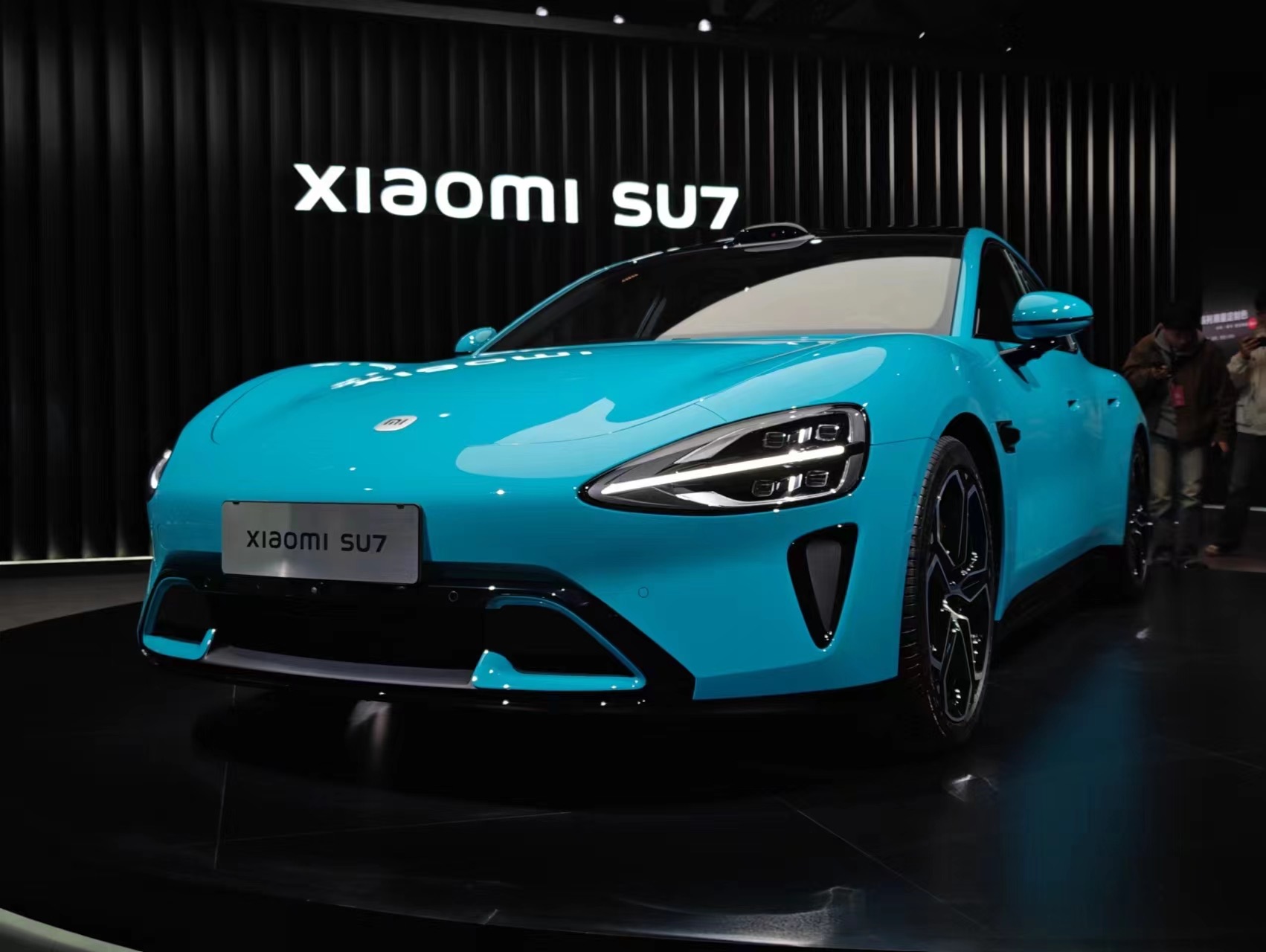
Core Insights - Xiaomi is establishing a new primary department, the Architecture Department, to focus on the next-generation technology architecture for smart electric vehicles, reporting directly to Lei Jun [1][3][19] - This strategic move is aimed at laying a solid foundation for future vehicle iterations, allowing for shared core technology advantages and reduced R&D costs [1][12][20] Group 1: Strategic Importance - The Architecture Department's establishment signifies a rare level of importance placed on technological foresight within the automotive industry, typically relegated to secondary departments [3][19] - By integrating R&D needs from the outset, Xiaomi aims to avoid high costs associated with extensive component redevelopment, as seen with the YU7 project [9][12] Group 2: Financial Position and Investment - Xiaomi has a substantial cash reserve of 108 billion yuan, enabling it to sustain high R&D investments without immediate profitability concerns [4][6] - Despite significant revenue growth of 230.3% year-on-year in Q2, with earnings reaching 20.6 billion yuan, the company still faces cumulative losses of 800 million yuan for the first half of the year [9][8] Group 3: Market Performance - Xiaomi's SU7 has surpassed BYD Han in sales, becoming the best-selling model in the mid-to-large sedan market, while the YU7 is closely competing with Tesla Model Y in the 300,000 yuan electric SUV segment [6][9] - The SU7 Ultra has set records in various performance categories, demonstrating the effectiveness of Xiaomi's investment in product capabilities [6][18] Group 4: Competitive Landscape - The automotive industry is experiencing a price war, with companies needing to focus on structural efficiency rather than merely reducing prices [13][21] - Competitors like BYD and GAC Toyota have successfully implemented platform architectures that significantly reduce production costs and enhance vehicle adaptability [14][16] Group 5: Future Challenges - Xiaomi's future vehicle models, including a new range of extended-range SUVs, will require a flexible architecture that meets diverse consumer needs, balancing performance with comfort [18][22] - The challenge lies in creating a unified technical foundation that can support various vehicle types while maintaining cost efficiency and market competitiveness [21][22]