年画数字化

Search documents
年画焕新 一纸万象(古韵国风 顶流审美)
Ren Min Ri Bao· 2026-01-29 02:22
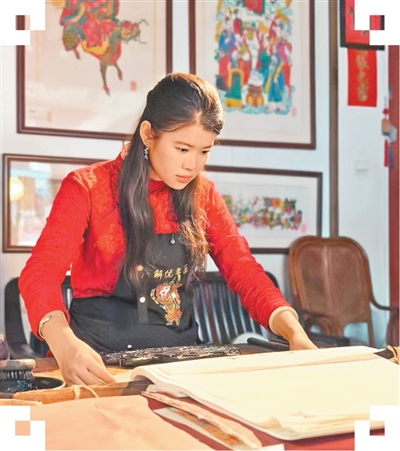
Core Viewpoint - The article highlights the innovative transformation of traditional Chinese New Year paintings (年画) through technology and creativity, showcasing how these artworks are evolving to engage younger audiences and adapt to modern cultural contexts [5][11][14]. Group 1: New Experiences - In Tianjin's Yangliuqing Ancient Town, visitors can immerse themselves in a "flowing New Year painting" experience, where the traditional art form is brought to life through interactive performances and digital enhancements [6][8]. - The integration of technology allows for a three-dimensional and interactive experience, transforming static paintings into cultural symbols that can engage in dialogue with visitors [9][10]. - The use of digital technology in traditional painting production has increased efficiency, with artisans employing AI to assist in design and color application [10]. Group 2: New Carriers - The "Year of New Life" international creative design competition for Mianzhu New Year paintings received over a thousand submissions, with a significant number focusing on digital innovations [11][12]. - The competition aims to reimagine traditional art forms using contemporary design language, thereby expanding the application scenarios of New Year paintings [12][13]. - Mianzhu New Year paintings have been digitally reconstructed, allowing for interactive experiences in museums, where visitors can engage with the art through technology [13]. Group 3: New Scenes - The "Worry-Free New Year Painting Shop" in Beijing combines traditional art with modern pop culture, appealing to younger consumers by integrating trendy elements into traditional New Year paintings [14][15]. - The shop not only sells paintings but also offers experiences that connect emotional values with traditional art, making it relevant to contemporary audiences [15][16]. - The support from local governments in promoting intangible cultural heritage has facilitated the integration of traditional crafts into modern markets, enhancing their appeal and accessibility [15][16].