
佛山木版年画

Search documents
非遗文化让年味更浓
Xin Lang Cai Jing· 2026-02-08 03:00
Core Viewpoint - The promotion of intangible cultural heritage (ICH) during the upcoming Spring Festival emphasizes the integration of traditional culture with modern expressions, targeting younger audiences and enhancing cultural transmission [1][2][3] Group 1: Cultural Promotion and Innovation - The "Non-heritage New Year: Seeking the Taste of Chinese New Year" theme promotion in Guangzhou showcases various ICH markets, online performances, and experiential workshops, enriching the cultural atmosphere of the Spring Festival [1] - The transformation of traditional crafts, such as the application of Xiangyun fabric into trendy accessories and cartoon figures, demonstrates the innovative expression of ICH, appealing to modern aesthetics [1] - The integration of traditional elements with contemporary design in crafts like Foshan woodblock New Year paintings allows these art forms to resonate with current tastes, making them more accessible to everyday life [1] Group 2: Youth Engagement and Empowerment - Young people are identified as the backbone of ICH cultural dissemination, with initiatives like the "Yuexiu No.1 Cantonese Crosstalk Academy" fostering new talent through innovative training and competition formats [2] - Programs in Changsha, such as immersive experiences and family classes, aim to cultivate cultural identity and awareness among youth, ensuring the continuity of ICH [2] - The active participation and creativity of the youth inject fresh energy into the transmission of ICH, making it more relevant to contemporary society [2] Group 3: Digital Integration and Broader Reach - The integration of digital technology with cultural tourism creates a multi-dimensional approach to ICH dissemination, allowing for broader audience engagement through online platforms [2] - During the ICH New Year shopping month, live streaming sessions featuring ICH representatives combine product promotion with skill demonstrations, breaking geographical barriers and reaching wider audiences [2] - The launch of ten ICH tourism routes in Guangdong connects high-quality ICH resources with cultural landmarks and natural attractions, promoting both cultural exchange and economic activity [2]
年轻人在非遗中“寻味中国年”
Xin Lang Cai Jing· 2026-02-07 19:44
Core Viewpoint - The event "Intangible Cultural Heritage New Year Celebration: Exploring Chinese New Year" showcases over 130 intangible cultural heritage projects and aims to engage younger generations with traditional crafts and foods [2][4][5]. Group 1: Event Overview - The event features participation from 15 provinces and regions, including Hong Kong and Macau, highlighting a variety of intangible cultural heritage projects [2]. - The "Taste of Chinese New Year" exhibition area is particularly vibrant, showcasing local delicacies and traditional snacks, creating a sensory experience of the holiday [2][4]. Group 2: Culinary Highlights - The booth of Guangzhou Gong Yinjiji Beef Offal Pot attracts many visitors, with the representative inheritor, Gong Shihong, emphasizing the importance of traditional recipes while also innovating to meet modern health preferences [2][5]. - The "Hundred-Year Grandma Soup" recipe, passed down through generations, exemplifies the blend of tradition and modern dietary trends [2]. Group 3: Fashion and Crafts - The "Huayi Renewed" exhibition area features traditional crafts like Xiangyun silk dyeing, which has been modernized to appeal to younger consumers through contemporary designs [4][5]. - The integration of traditional craftsmanship with modern aesthetics allows for a revival of interest among young people, making these products suitable for everyday wear [4][5]. Group 4: Cultural Integration and Innovation - The event showcases the fusion of traditional arts with contemporary culture, such as collaborations with popular mobile games to create immersive experiences that resonate with younger audiences [7]. - The concept of "Intangible Cultural Heritage + Cultural and Tourism Integration" is promoted to ensure that traditional crafts remain relevant in daily life [7]. Group 5: Community Engagement - The event encourages participation from all age groups, showcasing the commitment of inheritors from different generations to keep traditional crafts alive and relevant [5][7]. - Various activities, including the "Guangdong New Year Customs Tourism Routes," aim to connect cultural heritage with tourism, inviting both domestic and international visitors to experience the charm of intangible cultural heritage [7].

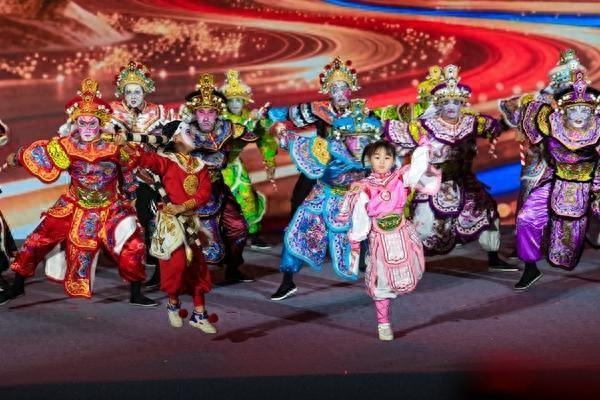
年画焕新 一纸万象(古韵国风 顶流审美)
Ren Min Ri Bao· 2026-01-29 02:22
Core Viewpoint - The article highlights the innovative transformation of traditional Chinese New Year paintings (年画) through technology and creativity, showcasing how these artworks are evolving to engage younger audiences and adapt to modern cultural contexts [5][11][14]. Group 1: New Experiences - In Tianjin's Yangliuqing Ancient Town, visitors can immerse themselves in a "flowing New Year painting" experience, where the traditional art form is brought to life through interactive performances and digital enhancements [6][8]. - The integration of technology allows for a three-dimensional and interactive experience, transforming static paintings into cultural symbols that can engage in dialogue with visitors [9][10]. - The use of digital technology in traditional painting production has increased efficiency, with artisans employing AI to assist in design and color application [10]. Group 2: New Carriers - The "Year of New Life" international creative design competition for Mianzhu New Year paintings received over a thousand submissions, with a significant number focusing on digital innovations [11][12]. - The competition aims to reimagine traditional art forms using contemporary design language, thereby expanding the application scenarios of New Year paintings [12][13]. - Mianzhu New Year paintings have been digitally reconstructed, allowing for interactive experiences in museums, where visitors can engage with the art through technology [13]. Group 3: New Scenes - The "Worry-Free New Year Painting Shop" in Beijing combines traditional art with modern pop culture, appealing to younger consumers by integrating trendy elements into traditional New Year paintings [14][15]. - The shop not only sells paintings but also offers experiences that connect emotional values with traditional art, making it relevant to contemporary audiences [15][16]. - The support from local governments in promoting intangible cultural heritage has facilitated the integration of traditional crafts into modern markets, enhancing their appeal and accessibility [15][16].
灯会、非遗集市点亮年味 多地开启迎新春模式
Yang Shi Xin Wen· 2026-01-28 17:48
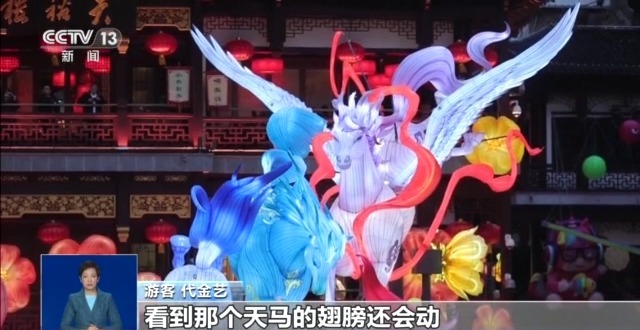
Group 1 - The Shanghai Yuyuan Lantern Festival officially lit up on January 26, 2026, featuring a main lantern group inspired by "Six Steeds of the Tang Dynasty," showcasing six horses in dynamic poses [2] - The Hebei Xinjie Lantern Festival is scheduled from February 10 to March 4, 2026, with a main venue at Runze Lake Park and additional displays at key city nodes to create a festive atmosphere [5] - In Guangdong, various non-heritage themed activities are being held to celebrate the upcoming Lunar New Year, with a market in Guangzhou featuring over 60 representatives showcasing traditional crafts and products [7][8] Group 2 - The non-heritage market in Guangzhou includes food tasting, clothing, and cultural creative exhibitions, attracting significant consumer interest [8] - In Chaozhou, a series of activities themed "Non-Heritage Living City" has been launched, integrating performances, interactive experiences, and cultural tourism consumption [12] - Visitors to the non-heritage experience area can engage with national-level intangible cultural heritage projects, enhancing their understanding of traditional crafts [14]
逛市集、赏非遗、买年货 来传统大集感受年味 在文化与烟火气中喜迎佳节
Yang Shi Wang· 2026-01-28 04:02
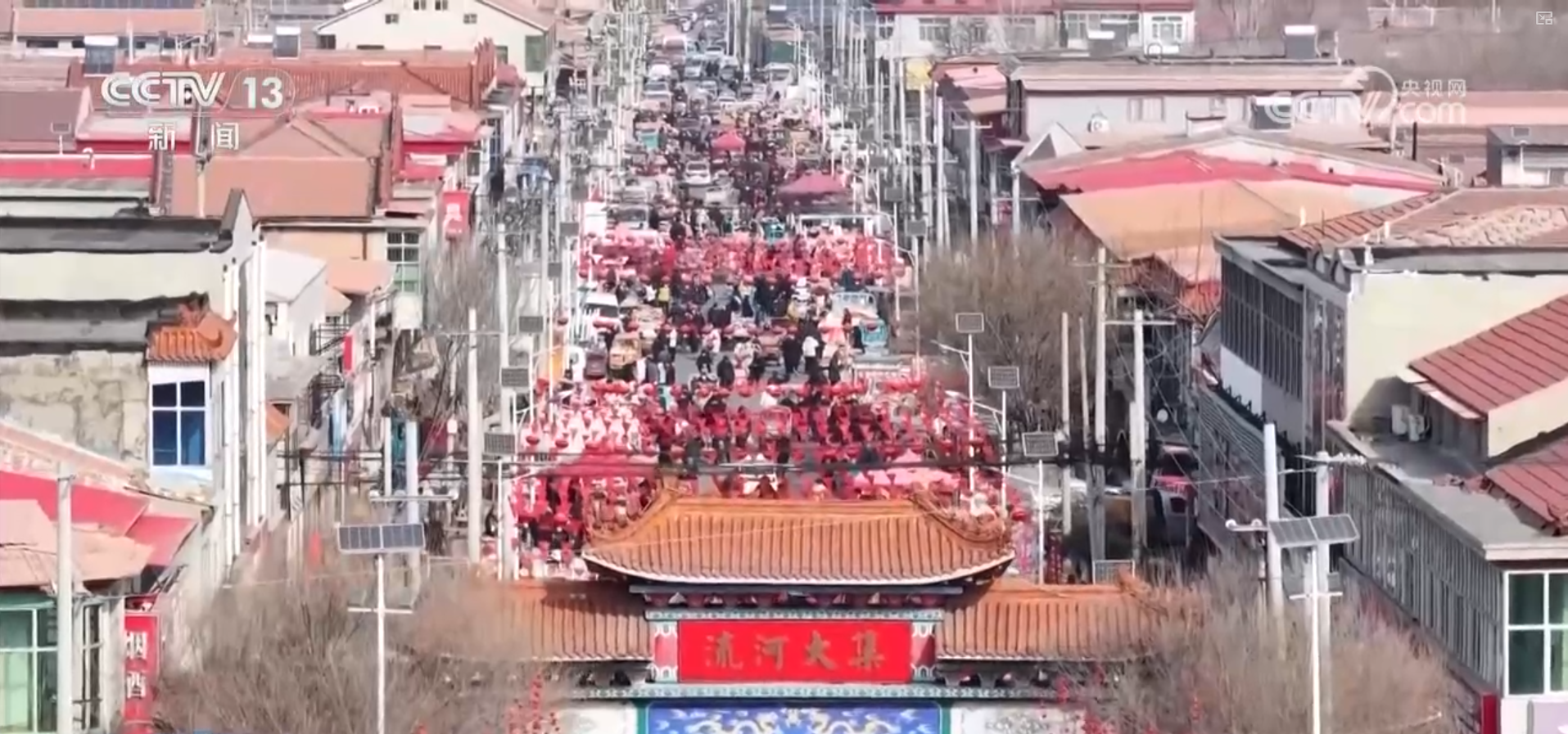
Group 1: Market Trends and Consumer Behavior - The annual market in Qingxian, Hebei, has a history of several hundred years and features a variety of products including agricultural goods, snacks, imported fruits, and daily necessities, reflecting a growing festive atmosphere as the Lunar New Year approaches [1] - The market operates on specific lunar calendar dates, attracting thousands of visitors daily, including local residents and external vendors, due to its strategic location along the Beijing-Hangzhou Grand Canal [5] - The variety of fruits available has expanded significantly, with cherries from South America becoming a hot-selling item, indicating an increase in consumer purchasing power and preferences for diverse products [7] Group 2: Cultural and Traditional Products - New flavors of traditional food items, such as handmade yuanxiao, are gaining popularity among younger consumers, showcasing a blend of traditional and modern tastes [9] - The market's offerings reflect a vibrant cultural scene, with local specialties and traditional crafts being well-received, enhancing the festive atmosphere and consumer engagement [16][20] - In Guangdong, a market featuring intangible cultural heritage products has opened, attracting over 60 representatives to showcase and sell their crafts, indicating a revival of traditional skills and consumer interest in heritage products [20][22] Group 3: Regional Highlights and Sales Performance - In Qingdao, seafood markets are thriving, with prices for certain shellfish lower than the previous year, indicating a competitive market environment and consumer demand for affordable options [24] - Customized seafood gift boxes are being offered to cater to diverse consumer needs during the festive season, enhancing the market's appeal [26] - In Anhui, the production of Huangshan sesame cakes has ramped up, with sales exceeding 40 million units this year, reflecting a 10% year-on-year increase, showcasing the product's popularity and successful distribution channels [31]
视频丨非遗映春 年宵花俏 解锁中国年消费新场景
Xin Lang Cai Jing· 2026-01-27 13:42
Group 1: Non-material Cultural Heritage Promotion - The "Non-material Cultural Heritage New Year Celebration: Taste of Chinese New Year" event was launched in Guangzhou, featuring a market showcasing non-material cultural heritage products from across the country [1] - The non-material heritage market at Huacheng Square in Guangzhou includes three core exhibition areas: food tasting, clothing and accessories, and national trend cultural creations, with participation from over 130 representative projects and more than 60 inheritors from 15 provinces and regions, including Hong Kong and Macau [3] - The "Non-material Heritage New Year Shopping Month" will last until March 3, coinciding with traditional festivals like the Spring Festival and Lantern Festival, aiming to enrich the cultural product supply during the festive season [7] Group 2: Economic Impact and Consumer Trends - Since 2025, the "Non-material Heritage Goodies National Trend Renewal - Four Seasons Non-material Heritage Shopping Month" has led to over 31,000 promotional events across the country, stimulating consumption and making non-material heritage a new hotspot for innovative consumer experiences [9] - In Shandong Heze, the cultivation of peony flowers has been successfully adapted to winter through greenhouse technology, resulting in a supply of over 100 million peony stems annually, with a market value exceeding 1 billion yuan [12] - In Hebei Zhuozhou, the butterfly orchid market is thriving, with over 200 varieties and more than 200,000 plants available for the New Year flower market [14] Group 3: Local Market Initiatives - In Chongqing Wuxi, a New Year goods market is integrating an old-for-new policy, featuring local agricultural products and various cultural activities to enhance consumer engagement [17] - In Zhejiang Wenzhou, a local specialty carnival combined with a basketball league is creating a new consumption scene, offering over 3,000 local products and establishing a direct online sales channel for agricultural products [21] - In Jiangsu Pizhou, the cold weather has spurred demand for heating products, with a reported growth rate of 23% to 27% in sales of heating facilities, driven by new consumer subsidy policies [25][27]
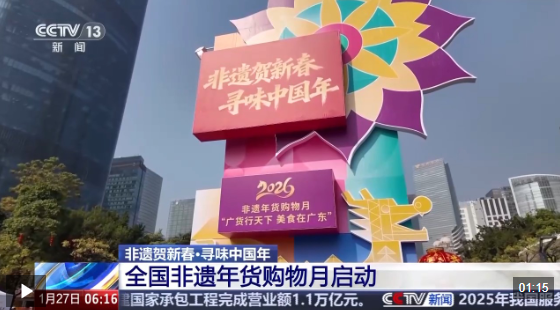
非遗映春 年宵花俏 解锁中国年消费新场景
Yang Shi Xin Wen Ke Hu Duan· 2026-01-27 13:12
Group 1: Non-material Cultural Heritage Promotion - The "Non-material Cultural Heritage New Year Celebration: Taste of Chinese New Year" event was launched in Guangzhou, featuring a market showcasing over 130 representative projects from 15 provinces and regions, including Hong Kong and Macau [1] - The event includes three core exhibition areas: food tasting, clothing and accessories, and national trend cultural creations, with participation from over 60 inheritors of non-material cultural heritage [1] - The "Non-material Cultural Heritage Shopping Month" will last until March 3, coinciding with traditional festivals, to enhance the supply of quality cultural products during the Spring Festival [1] Group 2: Seasonal Flower Market Trends - Since 2025, the "Non-material Cultural Heritage Goodies National Trend Renewal - Four Seasons Non-material Cultural Heritage Shopping Month" has led to over 31,000 promotional events, stimulating consumption and creating new market dynamics [3] - In Heze, Shandong, peony flowers are being cultivated in greenhouses to simulate spring conditions, allowing for winter sales, with over 100 million peony stems produced annually, generating over 1 billion yuan in annual output value [6][4] Group 3: Local Market Innovations - In Chongqing, a New Year goods market is integrating an old-for-new policy, featuring local agricultural products and cultural performances to enhance consumer engagement [12] - In Wenzhou, a local specialty carnival is combined with a basketball league to create a new consumption scene, offering over 3,000 local products and establishing a live-streaming channel for agricultural products [14] - In Pizhou, Jiangsu, the cold weather has boosted demand for heating products, with a reported growth in sales of heating facilities by approximately 23% to 27% [21][19]
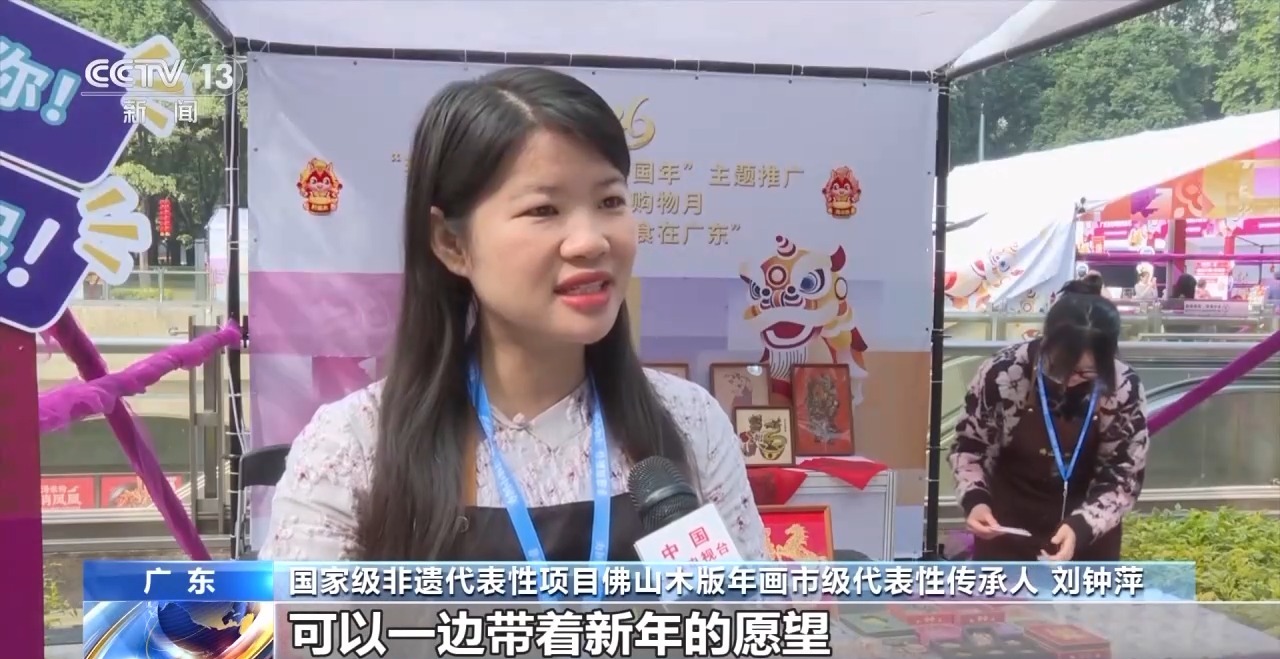
带着年画走世界
Xin Lang Cai Jing· 2026-01-03 22:20
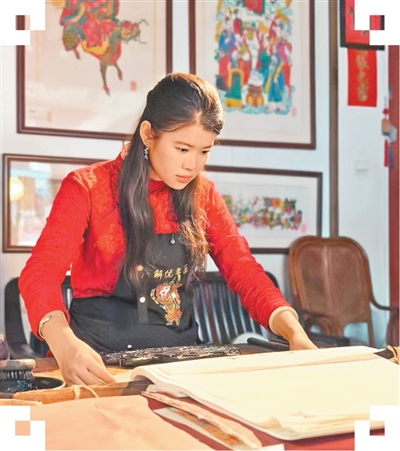
Core Viewpoint - The article highlights the significance of the Chinese Spring Festival being recognized as an intangible cultural heritage, emphasizing the role of Liu Zhongping, a traditional woodblock painter, in revitalizing this art form and making it relevant to contemporary society [1][2][3] Group 1: Cultural Heritage Recognition - The Spring Festival was officially listed as an intangible cultural heritage by UNESCO on December 4, 2024, marking the first "intangible heritage version" of the festival [1] - Liu Zhongping, known as the "Year Painting Heroine," gained recognition for her work in traditional woodblock painting, which is rooted in the 700-year-old craft from Foshan [2] Group 2: Personal Journey and Challenges - Before becoming a woodblock painter, Liu Zhongping worked as a tour guide and was inspired by her mentor, a national-level intangible cultural heritage inheritor [2] - After six years of training, Liu faced challenges in sustaining herself through her art but was motivated by the belief that traditional skills should be integrated into modern life [2] Group 3: Modern Relevance and Community Engagement - Liu Zhongping reinterprets traditional year paintings to resonate with modern aesthetics and contemporary desires, addressing themes like love, success, and wealth [3] - Through her brand "Relief Year Painting Workshop," she has organized over 800 public events, integrating the ritual of acquiring year paintings into daily life and collaborating with various brands [3] - Liu aims to promote the story of Foshan woodblock painting globally, leveraging her language skills to connect with international audiences [3]
非遗更好融入现代生活
Jing Ji Ri Bao· 2025-12-13 01:20
Core Insights - The article discusses the promotion of intangible cultural heritage (ICH) brands in China, highlighting the transition from traditional craftsmanship to modern branding to better integrate ICH into contemporary life and economic development [1] Group 1: Brand Development and Consumer Engagement - The emergence of new brands, such as "Kaiwu Royal" by Ma Sai, showcases the importance of branding in preserving traditional crafts while appealing to modern consumers [2] - The success of non-heritage products is increasingly driven by younger consumers, particularly those aged 18 to 24, who are becoming the main force in ICH consumption [3] - The sales of ICH-related products on platforms like Taobao have exceeded 100 billion yuan for two consecutive years, with a notable sales figure of 9.42 billion yuan during the "Double 11" shopping festival this year [3] Group 2: Innovation and Sustainability - The article emphasizes the need for innovation in ICH branding, with examples of how traditional techniques can be adapted to create contemporary products that resonate with modern aesthetics [3][4] - The development of sub-brands and collaborations among ICH practitioners can enhance market vitality and ensure the sustainability of traditional crafts [4][5] - The integration of storytelling and modern marketing strategies, particularly through social media, is crucial for connecting with younger audiences and enhancing brand identity [6][7] Group 3: Cross-Industry Collaboration - The article highlights the effectiveness of cross-industry collaborations in expanding the reach and relevance of ICH brands, allowing them to tap into new consumer bases and modern lifestyles [7] - Successful examples of ICH brands collaborating with popular culture, such as the partnership with the game "Black Myth: Wukong," demonstrate the potential for innovative product development [3][4]
粤港澳大湾区非遗汇在澳门揭幕
Xin Hua She· 2025-11-01 23:51
Core Points - The event "New Power of Intangible Cultural Heritage - Cultural Bay Area: Brilliant Intangible Heritage of Guangdong-Hong Kong-Macao Greater Bay Area" opened on November 1 in Macau, showcasing the region's intangible cultural heritage [1][2] - The event features a thematic exhibition, interactive skill demonstrations, experience workshops, and sales of intangible cultural heritage creative products, highlighting over 50 representative intangible cultural heritage items from the Greater Bay Area [1] - The "New Power of Intangible Heritage" thematic exhibition will run from November 2 to March 15, 2026, at the Macau Museum, with four themes: "Lingnan Color," "Geometric Creation," "Musical Play," and "Beyond the Artistic Conception" [1] - Performances at the opening ceremony included Portuguese folk dance, Sha Tau Kok fish lantern dance, and Hakka lion dance, which received enthusiastic applause [1] Industry Collaboration - The "Macau Intangible Cultural Heritage New Generation Training Program 2025" graduation ceremony was also held, part of a cultural cooperation project among Guangdong, Hong Kong, and Macau [2] - The training program involved 30 students who participated in theoretical studies and field visits in Macau, Guangzhou, and Hong Kong, engaging with intangible cultural heritage inheritors [2] - Participants will also take part in the interactive skill demonstrations during the event [2]