开放互联

Search documents
牧原集团加强行业交流 共促产业高质量发展
Zhong Guo Jin Rong Xin Xi Wang· 2025-12-30 13:04
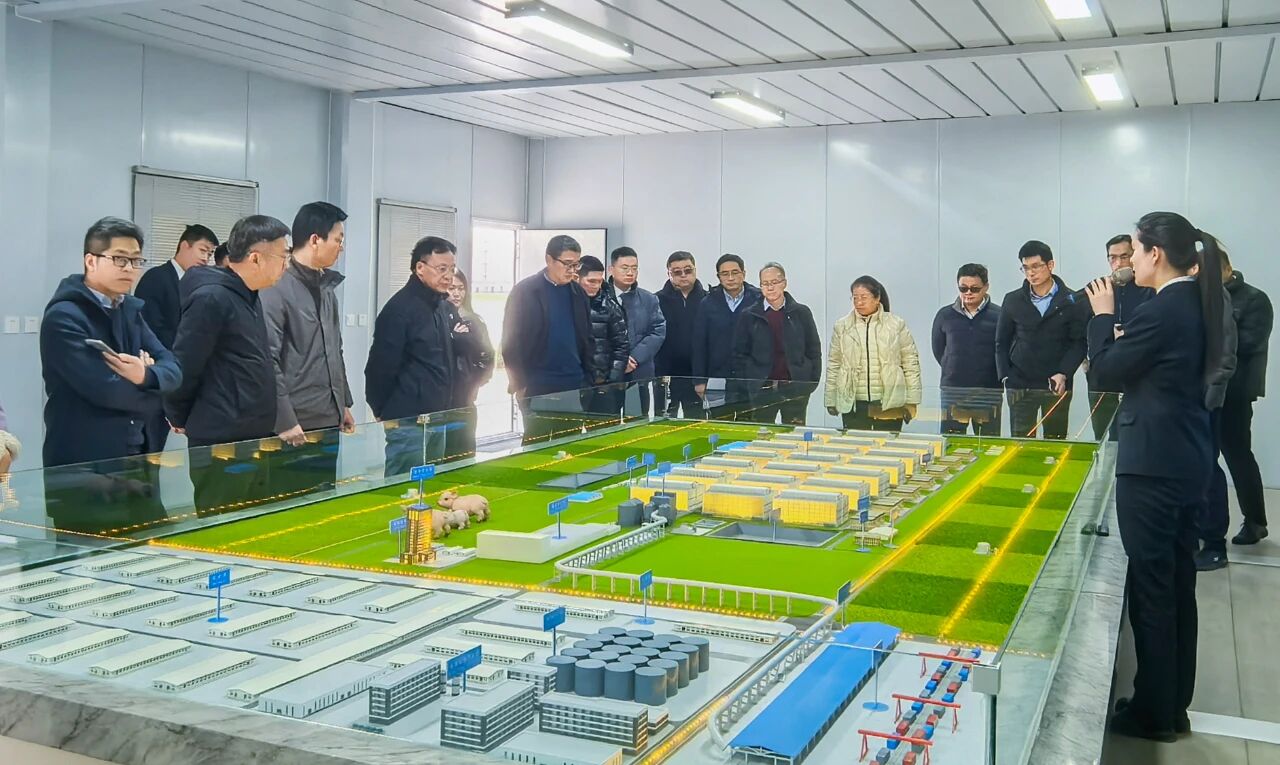
Group 1 - The core focus of the recent visit by Wens Foodstuff Group's Vice President and Technical Director Zhang Xiangbin to Muyuan Group was on large-scale breeding, disease prevention, cost control, and digital applications in the industry [1][3] - During the visit, both parties engaged in deep technical exchanges, including discussions on breeding stock and health management, feed nutrition, and pig farm design and environmental protection [3][5] - Muyuan Group is committed to building a new ecosystem of industry exchange and collaborative innovation, aiming to inject new momentum into the high-quality development of the pig industry [5] Group 2 - Muyuan Group shared its innovative technologies such as multi-story pig houses, air filtration management, and the cyclical model of breeding and farming, while Wens Foodstuff Group shared its experiences in refined management and collaborative development in the livestock industry [5] - The pig industry is transitioning from scale expansion to a new stage of high-quality development, with industry innovation and transformation entering a "deep water zone" [5] - The formation of a new ecosystem characterized by "open connectivity and collaborative innovation" among leading breeding enterprises and small-scale farmers is expected to open new growth opportunities for the pig industry [5]


全球支付产业变革,银联以新“四方模式”给出开放互联中国方案
2 1 Shi Ji Jing Ji Bao Dao· 2025-12-03 10:49
Core Insights - The article emphasizes the transformative role of China UnionPay in the global payment industry, highlighting its innovative approach to cross-border payment solutions and the establishment of a more inclusive payment ecosystem [1][3][7] Group 1: China UnionPay's Role in Global Payments - China UnionPay is positioned as a "connector" in the global payment network, facilitating cross-border payment services and creating a new ecosystem for global payments [3][4] - The company has expanded its service offerings, partnering with local networks in various countries to enhance its global reach, including collaborations in Armenia and the UAE [3][4] - UnionPay's global acceptance network now covers 183 countries and regions, with over 200 local wallets supporting UnionPay QR codes or mobile payments [7][8] Group 2: Innovations and Collaborations - The company has introduced a new "four-party model" that includes wallet providers and mobile manufacturers, aiming to create a more open and inclusive payment environment [1][7] - UnionPay has established partnerships with 11 global institutions, including banks and payment networks from countries like Malaysia and Uzbekistan, to enhance cross-border payment capabilities [1][2] - The "China-Indonesia cross-border QR code interconnection" project exemplifies the collaborative efforts under the new model, showcasing the integration of various stakeholders to facilitate seamless payments [8][9] Group 3: Ecosystem Development and Shared Infrastructure - UnionPay is committed to building a shared infrastructure for payment systems, allowing banks to utilize standardized APIs and security frameworks, thus enhancing the overall efficiency and safety of payment networks [9] - The company aims to reduce fragmentation in the global payment ecosystem by fostering knowledge exchange and collaborative defense against financial risks [6][9] - UnionPay's initiatives are not merely about market expansion but also about creating a sustainable and interconnected payment ecosystem that benefits all participants [6][9]
全球支付产业变革,银联以新“四方模式”给出开放互联中国方案
21世纪经济报道· 2025-12-03 10:42
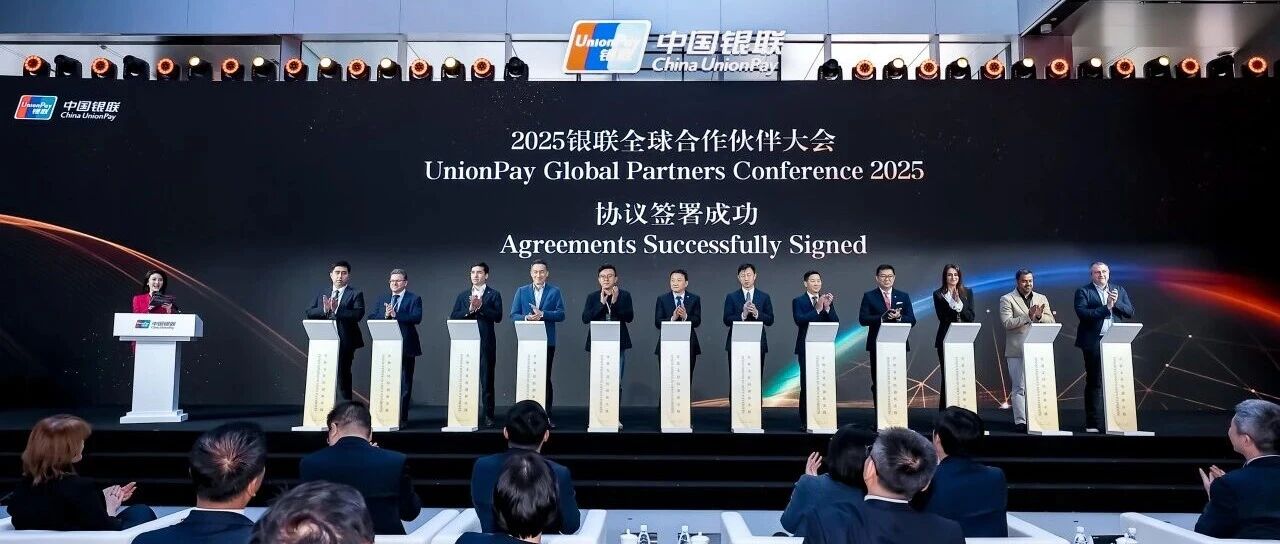
Core Viewpoint - The article emphasizes that China, driven by innovation, plays a crucial role in the global payment industry's high-quality development, particularly through the initiatives of China UnionPay to create an open and inclusive payment ecosystem [1][2]. Group 1: Global Payment Network Development - China UnionPay has introduced an open and interconnected "Chinese solution" to enhance the traditional "four-party model" by incorporating wallet institutions and mobile manufacturers, thereby creating a more inclusive payment ecosystem [1][2]. - The "2025 UnionPay Global Partner Conference" held in Shanghai marked the establishment of 11 significant global cross-border payment collaborations, showcasing China's influence in the global payment industry [2][4]. - UnionPay aims to break down payment barriers, allowing millions of small and micro merchants to access vast purchasing power through its global payment network, thus contributing to global economic recovery [2][5]. Group 2: Cross-Border Payment Services - UnionPay is positioned as a "connector" in the global payment network, expanding its service offerings and establishing a new cross-border payment service system [5][6]. - The company has expanded its international product offerings, including partnerships with local networks in countries like Armenia and the UAE, enhancing accessibility to UnionPay's global services [5][6]. - UnionPay has implemented flexible cooperation models, such as "Government-to-Government" and "Network-to-Network," to facilitate QR code interoperability in approximately 50 countries [6][7]. Group 3: Ecosystem Building and Collaboration - The new "four-party model" not only expands external services but also enhances collaboration with account holders and acquirers to provide efficient and secure cross-border payment services [8][9]. - UnionPay's global acceptance network covers 183 countries and regions, supporting various payment scenarios and enhancing the cross-border payment experience for Chinese citizens abroad [8][9]. - The collaboration with local payment institutions, such as the partnership with Indonesia's payment association, exemplifies the practical application of the new "four-party model" [9][10]. Group 4: Technological Advancements and Shared Infrastructure - UnionPay is transforming its technological capabilities into "public goods" for the industry, promoting intelligent development and shared infrastructure among financial institutions [10]. - The company offers standardized API interfaces and security frameworks, enabling banks to utilize ready-made solutions rather than building independent systems [10]. - The "Open Payment Joint Initiative" was announced, emphasizing the principles of openness, compatibility, and security in building a shared global payment network [10].