开源化

Search documents
moltbot,对国内的产品经理几乎无法用起来
3 6 Ke· 2026-02-04 00:10
Core Insights - The AI product "moltbot" has gained significant attention, originating from Silicon Valley before spreading to China, but it is not particularly useful for domestic product managers [1][2] - The founder of moltbot created the product due to a lack of similar offerings from major AI model companies, aiming to integrate AI capabilities directly into commonly used social applications [2][4] - Domestic social tools like WeChat and QQ are closed systems that do not support APIs, limiting the applicability of moltbot for individual users in China [8][10] Group 1: Product Utility and Market Dynamics - Moltbot is more beneficial for overseas product managers who can utilize its features in open social platforms, while domestic counterparts face restrictions due to the closed nature of local applications [2][8] - The product's deployment in corporate environments, such as WeChat Work and Feishu, is more feasible, positioning it as an efficiency tool for businesses rather than individual users [8][10] - The commercialization of AI products in China is rapid, but the actual effectiveness and revenue generation remain questionable, with concerns about the sustainability of such products [10] Group 2: Technical and Operational Challenges - The deployment of moltbot on devices like Mac mini is complicated, and the performance does not match that of leading paid AI models, limiting its appeal [14][15] - The need for significant hardware investment, such as using two Mac Studio Ultra systems to run advanced models, raises questions about the return on investment for users [15] - The current limitations in automation capabilities for domestic product managers highlight the challenges in achieving effective value from such AI tools [15][16] Group 3: Future Directions and Industry Trends - The trend towards open-source AI models is seen as a pivotal direction for future product iterations, allowing for greater user control and efficiency improvements across industries [17] - The scarcity of skilled product managers who can keep pace with technological advancements is a concern, as many fail to engage with emerging technologies effectively [17][18] - The ongoing evolution of AI products emphasizes the need for product managers to adapt and integrate new technologies into user experiences to remain competitive [17][18]


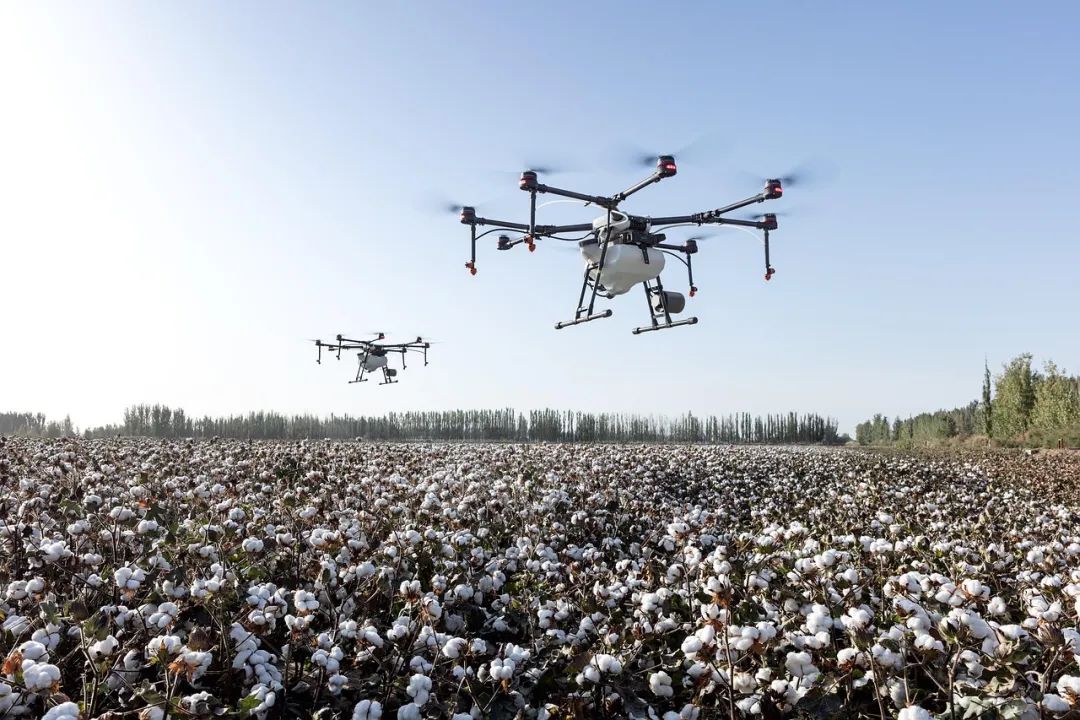
无人机战争2.0,大疆的生态帝国,正被开源与低价撕开裂缝
3 6 Ke· 2025-04-19 05:44
Core Insights - The global drone industry is experiencing significant changes, shifting from hardware competition to an ecosystem-centric approach [2] - DJI maintains a dominant market share of over 70%, but faces unprecedented challenges due to increased competition in the low-end market, regulatory restrictions, and privacy concerns [3][4] Market Position and Performance - DJI holds a market share of 70%-85% globally, with over 50% in industry applications such as agriculture and security [3] - In the consumer drone market in China, DJI commands over 90% market share, with a notable presence even in rural areas [3] - DJI's agricultural drones have seen a 32-fold increase in export numbers since 2017 [3] Technological Advantages - DJI's FlightAutonomy system achieves centimeter-level flight precision, setting industry standards [4] - The collaboration with Hasselblad enhances DJI's imaging systems, providing superior image quality and stability [4] - However, emerging brands are narrowing the technological gap through open-source systems and cost-effective sensors [4] Product Line and Market Strategy - DJI's product range spans from consumer models like the Mini series to professional models like the Matrice series [5] - The Mini 3 Pro appeals to younger users with its lightweight design and long battery life, while the Matrice 300 dominates in industrial applications [5] - Competition from brands like ZeroTech is intensifying in the low-end market, offering drones at lower prices with competitive features [5] Global Market Share and Operational Costs - DJI's market share is 68% in North America, 62% in Europe, and 75% in the Asia-Pacific region [6] - The company's global service network includes over 3,000 certified repair points, but this expansion has led to increased operational costs, with service expenses rising by 22% in 2023 [6] Competitive Landscape - The drone industry is transitioning from hardware competition to ecosystem competition, with emerging brands like DJI Rival and ZeroTech challenging DJI's market position [7][8] - DJI faces pressure from both high-end and low-end competitors, necessitating a balance between maintaining technological advantages and adopting an open ecosystem [8] Challenges and Risks - DJI's high-end products are priced significantly above industry averages, making them vulnerable to competition from lower-priced alternatives [13] - Regulatory pressures are increasing, with restrictions on certain models due to compliance issues in various markets [14] - Privacy concerns have impacted DJI's brand image, particularly following a ban by the U.S. Department of Defense due to data security issues [16] Future Outlook - The competition in the drone industry will increasingly focus on building inclusive developer ecosystems and adaptable policy compliance rather than just product specifications [18] - DJI's strategy of combining technological innovation with open collaboration may be essential for navigating future challenges [18]