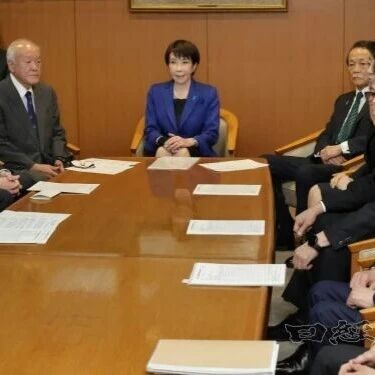
强化情报职能

Search documents
日本自民党内有“高市别动队”?
日经中文网· 2026-03-01 00:33
Group 1 - The core viewpoint of the article highlights the resurgence of the old Abe faction within the Liberal Democratic Party (LDP) in Japan, with 49 members elected, more than double the previous count, indicating a strengthening of political alliances supporting Prime Minister Sanna Takashi [2][5] - The article notes that members who supported Takashi in past elections have successfully regained their seats, suggesting a consolidation of power and influence within the LDP, particularly in relation to fiscal policies such as tax reductions [2][4] - There is an emphasis on the strategic moves being made by Takashi's allies to strengthen her position within the party, including efforts to ensure her re-election as party president without a vote, which is crucial for maintaining stability in the LDP [5] Group 2 - The article discusses the impact of political funding issues on the old Abe faction, which faced setbacks in the recent elections but still managed to increase its representation significantly [5] - It mentions the existence of various groups within the LDP, such as the "Conservative Unity Association" and the "Responsible Fiscal Policy Promotion Group," which are aimed at supporting Takashi's agenda and enhancing her political base [5] - The article indicates that Takashi's term as LDP president will end in September 2027, highlighting the importance of her current political maneuvers for future leadership stability [5]

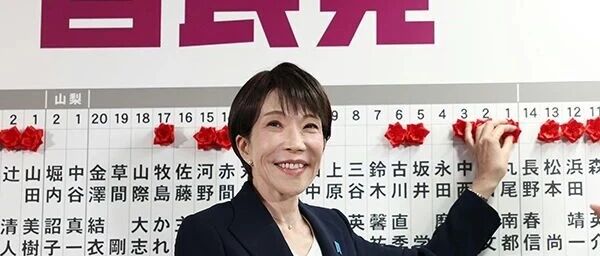
高市政权“无刹车”,日本民意分化恐加剧
日经中文网· 2026-02-10 07:30
Core Viewpoint - The overwhelming victory of the ruling party in the House of Representatives allows for accelerated policy implementation, but there are risks associated with unilateral decision-making by the Prime Minister [1][7]. Group 1: Election Results and Political Landscape - The Liberal Democratic Party (LDP) secured 316 out of 465 seats in the House of Representatives, achieving over two-thirds of the seats, which strengthens the Prime Minister's governing foundation [3][4]. - The LDP's enhanced negotiating power with opposition parties allows for the passage of budget proposals and legislation even if the House of Councillors rejects them [3][5]. Group 2: Policy Focus and Challenges - The Prime Minister emphasizes the need to implement policies such as "responsible active fiscal policy" and national security measures, despite potential public division on these issues [3][7]. - The government is preparing a bill to allow the issuance of deficit bonds for five consecutive years, which opposition parties argue could weaken fiscal oversight [8]. Group 3: Defense and Security Policies - There is increasing internal demand within the ruling party to raise defense spending to over 2% of GDP, which would require approximately 6 trillion yen for every 1% increase [8]. - Discussions on revising security-related documents are expected to focus on countering threats from China and North Korea, with the Prime Minister advocating for a strategic approach to national interests [8]. Group 4: Cooperation with Opposition - The Prime Minister expresses a willingness to seek cooperation with opposition parties on policies that align with mutual interests, particularly in economic policy [9]. - The recent electoral victory may alter the internal power dynamics of the coalition government, potentially diminishing the influence of the Japan Innovation Party [9].