息肉

Search documents
体检报告上有结节、息肉先别慌 了解这些指标很重要
Xin Lang Cai Jing· 2026-02-07 03:12
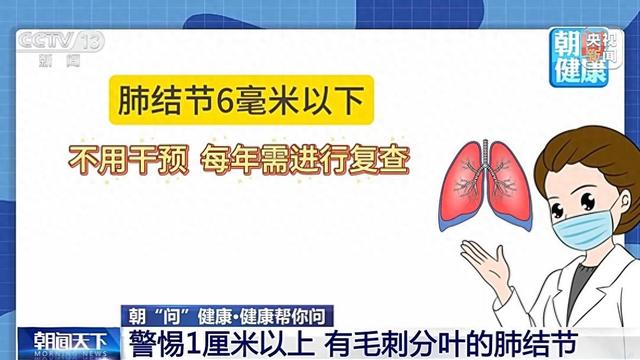
Core Viewpoint - The article emphasizes that many abnormalities found in health check reports, such as nodules and polyps, may not indicate cancer and often do not require immediate surgical intervention [1][6]. Group 1: Thyroid and Lung Nodules - Thyroid nodules are common, and while some may develop into thyroid cancer, ultrasound examinations can help determine if they are benign or malignant. Surgery is generally considered for benign nodules larger than 5 cm and malignant ones larger than 1 cm [1][3]. - Lung nodules are a key focus in cancer screening. Nodules smaller than 6 mm typically do not require intervention and should be monitored annually. Nodules larger than 1 cm with specific characteristics may indicate early lung cancer, necessitating more frequent follow-ups [3][6]. Group 2: Breast Nodules - Breast nodules can vary in nature, with most being benign conditions such as fibromas or cysts. Long-term stable nodules that are confirmed benign are unlikely to become cancerous [3][5]. Group 3: Polyps - Polyps, such as gallbladder and gastrointestinal polyps, are often benign and do not require immediate removal. Gallbladder polyps typically need annual ultrasound monitoring, while uterine polyps are mostly benign with minimal cancer risk [6][9]. - Colorectal polyps, particularly adenomatous polyps, have a higher risk of cancer development and should be removed to prevent progression to cancer [9][10]. Group 4: Screening Recommendations - Early screening for gastrointestinal tumors is crucial, as the transition from benign conditions to colorectal cancer can take 8 to 15 years. Individuals over 40, especially those with a family history of gastrointestinal cancer or symptoms like abdominal pain or blood in stool, should undergo gastrointestinal examinations [10].

体检查出息肉、结节怎么办?医生提醒:少吃这几类食物!
Yang Shi Xin Wen· 2025-07-13 22:03
Group 1: Dietary Recommendations for Gastric Polyps - Individuals with gastric polyps should reduce consumption of four types of food that promote gastric acid secretion: sweets, glutinous rice, spicy foods, and gas-producing foods [1][2][4][5] - Foods that inhibit gastric acid secretion, such as alkaline vegetables, can be consumed appropriately [5] Group 2: Dietary Recommendations for Colonic Polyps - For those diagnosed with colonic polyps, it is advised to avoid fried, pickled, moldy, spicy, and hard foods to prevent irritation of the intestines and reduce cancer risk [6][7] - High-fat diets and pickled foods should also be limited due to their potential harm to the intestinal mucosa [9][11] Group 3: Dietary Recommendations for Breast Nodules - Individuals with breast nodules should limit intake of high-fat foods, alcohol, high-sugar foods, and high-salt foods [13][14] - There is no substantial evidence linking honey consumption to breast cancer, despite some claims regarding its estrogen content [14]