情感化营销

Search documents
点亮“冬日奇境”,北京SKP年末“放大招”
Xin Jing Bao· 2025-12-25 23:52
Core Viewpoint - Beijing SKP has launched a series of "Winter Wonderland" activities to welcome the New Year, focusing on creating emotional experiences for customers through immersive and creative event designs [1][3]. Group 1: Event Highlights - The "Lighting Ceremony" on December 19 marked the beginning of the "Winter Carnival," featuring a magical indoor garden decorated with lights and engaging performances [1][3]. - Activities included a children's choir, performances by star ambassadors, and interactive experiences with mascots, enhancing the festive atmosphere [4][5]. - The event also featured creative offerings such as caricature sketches and customized cotton candy, aimed at fostering closer connections with customers [6]. Group 2: Marketing Strategy - Beijing SKP's year-end marketing strategy emphasizes emotional engagement rather than traditional sales promotions, aiming to transform shopping into a memorable experience [3][4]. - The integration of local cultural elements and artistic designs in the decorations aims to attract younger audiences and position Beijing SKP as a new cultural landmark [8]. - The management expressed a commitment to blending fashion, art, and culture, ensuring that every space within the mall serves as a source of inspiration [8].


从“奈曼人家”看东北菜融合下的饮食业发展趋向
Sou Hu Cai Jing· 2025-10-10 03:53
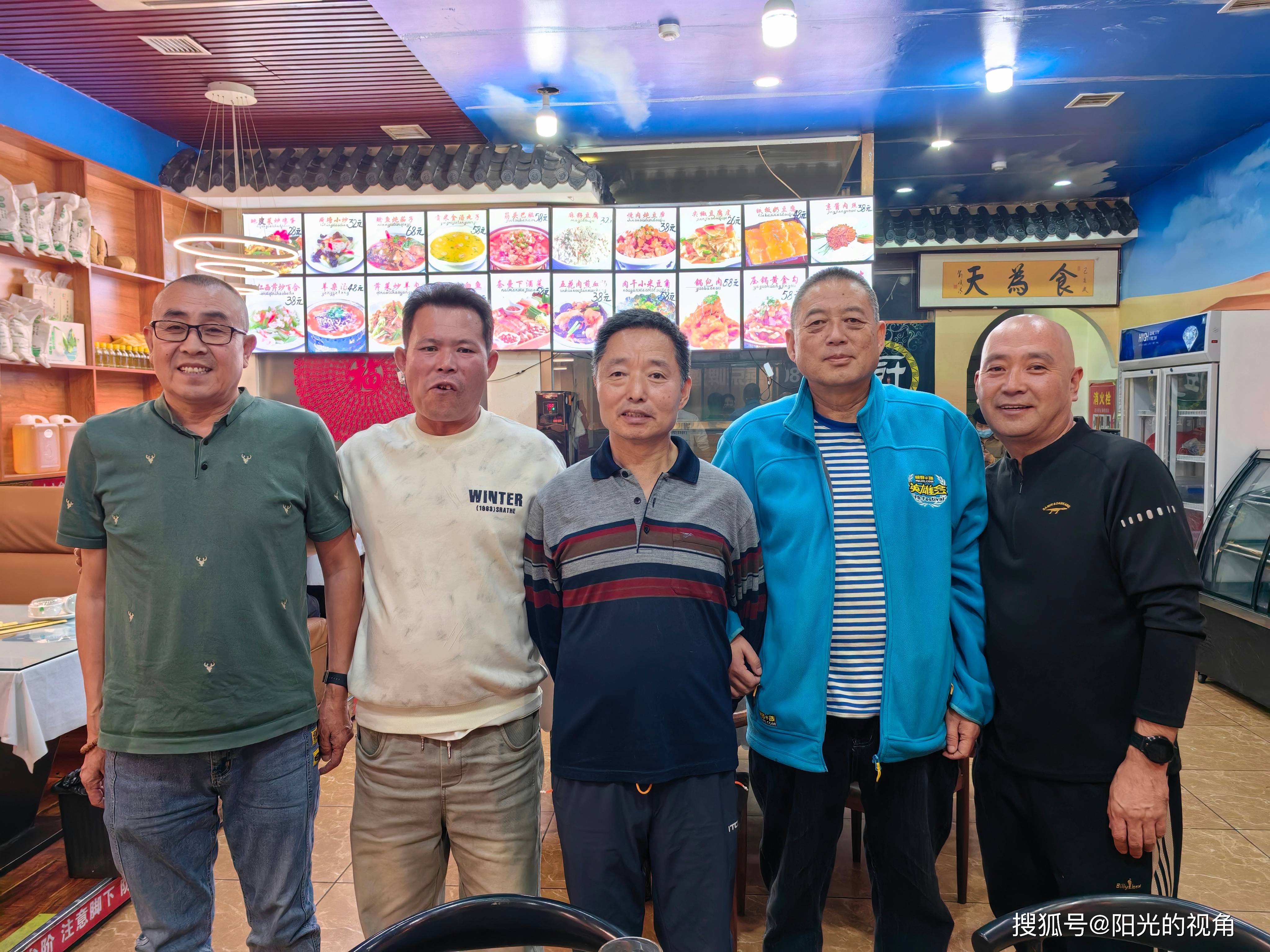
Core Insights - The article discusses the development trends in the food industry through the lens of "Naiman Renjia," a restaurant in Hohhot that exemplifies the fusion of Northeast cuisine with local culinary culture [4][7] - The restaurant serves as a case study for how regional cuisine can adapt to local tastes while maintaining its unique identity, emphasizing the importance of understanding customer preferences [7][16] Group 1: Fusion of Regional Cuisines - "Naiman Renjia" integrates Northeast cuisine with Inner Mongolian culinary traditions, creating signature dishes like "Iron Pot Stewed Goose" and "Naiman Stewed Lamb" that appeal to both locals and visitors [7][8] - The restaurant modifies traditional dishes to suit local tastes, such as reducing the sugar in "Guo Bao Rou" and adding tomato juice for a balanced flavor profile [7][10] - The fusion approach is characterized by "localized transformation," focusing on regional roots and customer needs rather than mere replication of traditional recipes [7][16] Group 2: Operational Trends - The restaurant adopts a "scene-based" operation model, transforming dining into an emotional experience rather than just a meal, catering to the nostalgia and communal aspects of dining [9][10] - "Naiman Renjia" employs a closed-loop operational strategy, where feedback from customers is directly communicated to the kitchen, enhancing efficiency and responsiveness [10][11] - The focus on refined operations allows the restaurant to reduce costs and improve service quality, emphasizing collaboration between different operational segments [10][11] Group 3: Marketing Strategies - Emotional marketing is prioritized, with the restaurant sharing stories about its dishes and the people behind them, fostering a deeper connection with customers [11][12] - The marketing strategy shifts from traditional advertising to targeted storytelling that resonates with the audience, enhancing brand loyalty and recognition [12][14] - The emphasis on "emotional resonance" and "visualization of uniqueness" in promotions helps the restaurant reach new markets and attract customers [14][16] Group 4: Future Directions - The future of the food industry lies in balancing the preservation of regional cultural roots with innovative approaches to meet evolving consumer demands [16][17] - "Naiman Renjia" aims to be a community hub rather than just a restaurant, focusing on creating a warm and inviting atmosphere for its patrons [16][17] - The article concludes that the food industry can thrive by centering its operations around customer experiences and emotional connections, navigating challenges like rising costs and fluctuating customer traffic [17]