情绪价值投资

Search documents
为什么经济越下行,演唱会越嗨?
3 6 Ke· 2025-10-31 09:53
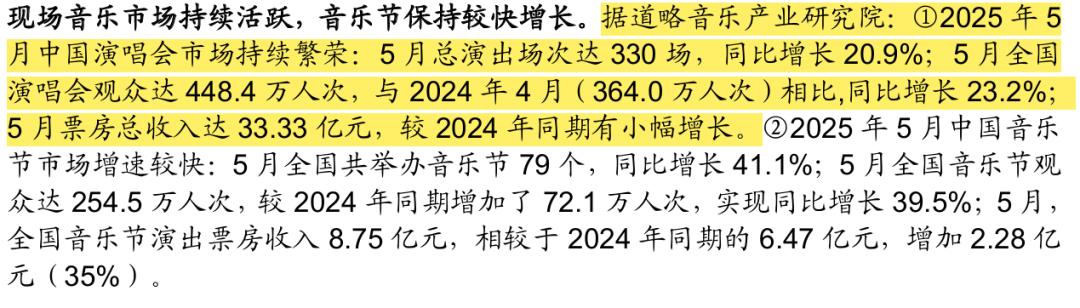
Core Insights - The concert industry is experiencing unprecedented growth despite economic challenges, with ticket sales and attendance skyrocketing [2][4][22] - Young consumers are prioritizing experiences over material possessions, viewing concerts as emotional investments and social events [6][13][40] Group 1: Industry Performance - In May 2025, there were 330 concerts held nationwide, averaging over 10 concerts per day [2] - Total attendance reached 4.484 million, generating ticket revenue of 3.333 billion [3] - By August 2025, concert ticket revenue surpassed 20 billion, with concerts alone accounting for 16.46 billion, a 43% year-on-year increase [4][22] Group 2: Consumer Behavior - Young people are not just buying tickets; they are purchasing emotional experiences, viewing concerts as a form of stress relief and social connection [6][7][40] - The phenomenon reflects a shift from material consumption to experiential consumption, with concerts serving as a "collective memory" and a way to cope with uncertainty [39][41] Group 3: Economic Impact - Concerts are driving significant economic activity, with cross-city attendees spending between 500 to 2000 per visit, contributing to over 200 billion in related consumption [25][30] - The "3-hour economy effect" indicates that every 1 yuan spent on concert tickets can generate 4.8 yuan in local hospitality and transportation spending [30][32] Group 4: Government Support - Local governments are incentivizing concerts with subsidies based on attendance and cross-city visitor numbers, recognizing the economic benefits of large-scale events [36][38] - For example, Hainan offers substantial rewards for consistent performances, while Sichuan has set high subsidy limits based on ticket sales [36][38]

一代人有一代人的“茅台”!“情绪价值”成基金投资新消费股关键词
券商中国· 2025-05-12 08:04
Group 1 - The core viewpoint of the article highlights the significant performance of emerging consumption sectors in the Hong Kong and A-share markets, with funds heavily invested in these areas seeing substantial net value increases compared to those focused on traditional consumption stocks [1] - The top-performing consumption fund, Hengyue Craftsmanship Preferred One-Year Holding, has achieved nearly 40% year-to-date returns, with its top ten holdings primarily consisting of emerging consumption stocks [1] - Fund managers are increasingly focusing on the emotional value associated with new consumption trends, which reflects a shift in consumer habits towards more diverse and experience-driven purchases [2][6] Group 2 - Fund managers believe that to identify emerging consumption stocks, they must go beyond traditional research methods and engage directly with consumers to understand their preferences and behaviors [2][3] - Emotional value is identified as a key investment theme, categorized into three types: pure emotional value, dopamine-inducing experiences, and therapeutic benefits from products like pet ownership [6] - The investment logic is shifting from traditional consumption upgrades to identifying sectors with rising demand and potential for growth, particularly among younger consumers who prioritize value and personal satisfaction [9][10] Group 3 - The article discusses the importance of understanding the competitive advantages of companies in the emotional consumption space, emphasizing the need for a thorough analysis of management strategies and market positioning [7][8] - Emerging consumption sectors are seen as having significant growth potential, driven by new consumer demographics, innovative channels, and evolving market needs [10][11] - Fund managers express optimism about the overall market, noting positive economic signals and the potential for growth in various emerging consumption areas, including emotional consumption, technology-driven products, and affordable brands [11]