情绪管控

Search documents
巴菲特“交棒”,留下哪些财富
Xin Lang Cai Jing· 2026-01-01 06:24
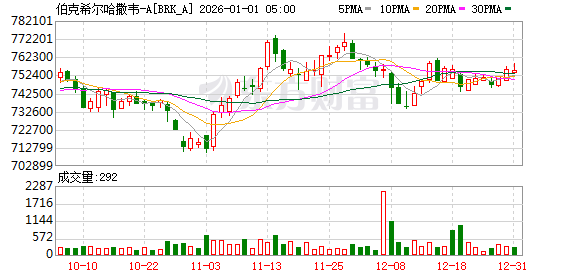
Core Viewpoint - The impending retirement of Warren Buffett, the iconic leader of Berkshire Hathaway, marks a significant transition for the company as Greg Abel is set to take over as CEO in 2026, following Buffett's 60-year tenure [1][2]. Group 1: Leadership Transition - Warren Buffett has led Berkshire Hathaway since 1965, transforming it from a struggling textile company into a diversified conglomerate with interests in various sectors, including railroads, energy, and retail [2]. - Greg Abel, currently the Vice Chairman of non-insurance operations, has been appointed as Buffett's successor and is expected to maintain the company's investment philosophy [3]. - Following the announcement of Buffett's retirement, Berkshire's stock price experienced a decline of over 10%, while the S&P 500 index rose by more than 10% during the same period [3]. Group 2: Investment Strategy - Buffett is known for his value investing approach, focusing on undervalued stocks and companies with a history of consistent dividends, such as Coca-Cola and American Express [3]. - As of Q3 this year, Berkshire has been a net seller of stocks for 12 consecutive quarters, with cash reserves reaching a record $381 billion, significantly exceeding the value of its stock portfolio, which stands at $283 billion [3]. - Despite a cautious outlook on the U.S. stock market, Berkshire is increasing its investments in Japan, indicating a strategic shift towards international markets [4]. Group 3: Investment Philosophy - Buffett emphasizes the importance of emotional discipline in investment decisions, advocating for a systematic approach that minimizes the probability of errors [5][6]. - He believes in the value of patience and waiting for quality investment opportunities, as evidenced by Berkshire's cash accumulation strategy during market volatility [6][8]. - The company has historically refrained from impulsive investments during market bubbles, demonstrating a long-term perspective on asset holding [8].
巴菲特正式退休,伯克希尔进入阿贝尔时代
第一财经· 2026-01-01 01:24
Core Viewpoint - The article discusses the transition of leadership at Berkshire Hathaway as Warren Buffett prepares to retire, with Greg Abel set to take over as CEO. This change marks a significant moment in the financial world, as Buffett has been a pivotal figure in investing for nearly 60 years [3][4]. Group 1: Buffett's Legacy and Investment Philosophy - Buffett has led Berkshire Hathaway since 1965, transforming it from a struggling textile company into a diversified conglomerate with interests in various sectors, including railroads, energy, and retail [5]. - Under Buffett's leadership, Berkshire achieved an annualized return of nearly 20%, significantly outperforming the S&P 500's 10% during the same period [6]. - Buffett's investment strategy focuses on value investing, favoring stocks that are undervalued compared to peers and those with reasonable pricing that he believes will be recognized by the market in the future [6][7]. Group 2: Transition to Greg Abel - Greg Abel, who has been appointed as Buffett's successor, is currently the Vice Chairman of Berkshire's non-insurance businesses and was designated as Buffett's successor in 2021 [7]. - Following the announcement of Buffett's retirement, Berkshire's stock price fell over 10%, while the S&P 500 rose more than 10%, indicating investor concerns about the leadership change [7]. - Buffett has reassured investors about Abel's capabilities and has committed to remaining involved with the company, which may help stabilize investor confidence [7][8]. Group 3: Current Market Position and Strategy - Despite a cautious outlook on the U.S. stock market, Berkshire is increasing its investments in Japan, indicating a strategic shift towards international markets [8]. - The company has amassed a record cash reserve of $381 billion, significantly exceeding the value of its stock portfolio, which stands at $283 billion [7]. - Buffett's approach to cash management reflects a disciplined strategy of waiting for quality investment opportunities rather than making hasty decisions in a volatile market [11][13].

伯克希尔进入阿贝尔时代,巴菲特“交棒”留下哪些财富
Di Yi Cai Jing· 2025-12-31 23:19
Core Insights - Warren Buffett, the legendary investor, will step down as CEO of Berkshire Hathaway at the end of 2025, with Greg Abel set to take over [2][3] - Buffett has led Berkshire Hathaway since 1965, transforming it from a struggling textile company into a diversified conglomerate with a market value exceeding $1 trillion [3] - Despite his retirement, Buffett will continue to engage with the public through annual Thanksgiving messages, maintaining a presence in the investment community [3] Company Overview - Berkshire Hathaway has evolved into a conglomerate with interests in various sectors, including railroads, energy, manufacturing, and retail [3] - The company achieved a milestone by becoming the first non-tech company in the U.S. to reach a market capitalization of $1 trillion in August 2024 [3] - Buffett's investment strategy focuses on value investing, favoring stocks that are undervalued or have long-term growth potential, with a preference for dividend-paying companies [4] Investment Strategy - Buffett has maintained a cautious stance on the U.S. stock market, having been a net seller of stocks for 12 consecutive quarters, while the company's cash reserves have reached a record $381 billion [4] - The current stock portfolio value stands at $283 billion, indicating a significant cash position compared to investments [4] - Berkshire Hathaway is increasing its investments in Japan, preparing for a new round of yen bond issuance, signaling a commitment to acquiring more shares in Japanese trading companies [5] Leadership Transition - Greg Abel, who has been the Vice Chairman of non-insurance operations, is highly regarded by Buffett, who believes Abel will exceed expectations as the new CEO [4] - Following the announcement of Buffett's retirement, Berkshire's stock price fell over 10%, while the S&P 500 index rose more than 10% during the same period [4] - Buffett has taken measures to reassure investors, including committing to not sell his shares and continuing to serve as Chairman [4] Emotional Discipline in Investing - Buffett emphasizes the importance of emotional control in investment decisions, advocating for a disciplined approach that avoids impulsive reactions to market fluctuations [6][7] - The ability to manage emotions distinguishes successful investors from those who follow market trends without critical analysis [6][7] - Buffett's strategy involves holding cash to wait for favorable investment opportunities, rather than making hasty decisions during market volatility [6][8]