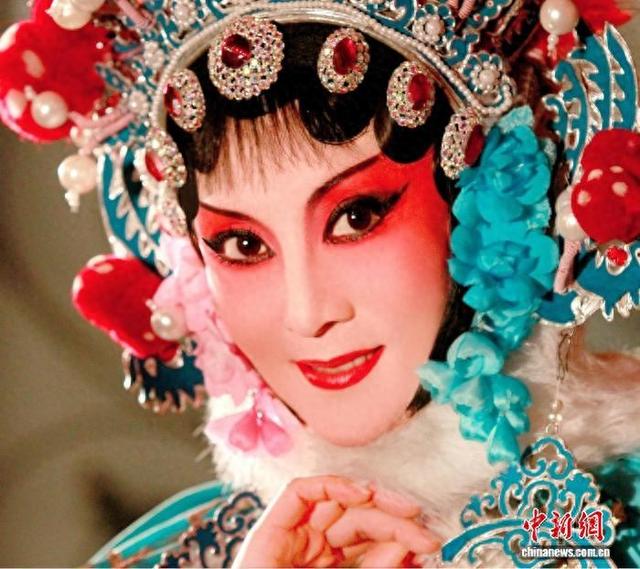
戏曲青春化

Search documents
中国戏剧梅花奖得主张建敏:青春戏曲不在年龄在朝气
Zhong Guo Xin Wen Wang· 2026-02-20 03:14
Core Viewpoint - The article discusses the revitalization of traditional Chinese opera, particularly the Wuju opera, through the lens of youthfulness and innovation, emphasizing that "youth" is a state of mind rather than merely an age label [3][4]. Group 1: Cultural Events and Engagement - Since the launch of the "Zheli Youxi" cultural event in 2026, 11 major opera tours and over 200 high-quality performances have taken place across Zhejiang province, extending to remote islands and mountainous towns, making opera a new cultural consumption hotspot during the Spring Festival [1][2]. - The ongoing discussions about how to make traditional opera more appealing to younger audiences reflect a broader cultural engagement strategy [2]. Group 2: Artistic Innovation and Tradition - Zhang Jianmin, a prominent figure in the Wuju opera, believes that true "youth" in art comes from the vitality and relevance of the work itself, as seen in the innovative reinterpretation of classic plays like "The Legend of the White Snake" [3][4]. - The integration of traditional opera techniques with modern stage aesthetics has led to a resurgence in popularity, with productions like "Three Battles Against the White Bone Spirit" achieving significant market success [6]. Group 3: Talent Development and Education - Zhang emphasizes the importance of rigorous training and comprehensive artistic education for young opera talents, advocating for a blend of traditional skills and modern interpretative abilities [5][6]. - The transition from performing to teaching has allowed Zhang to contribute to the systematic cultivation of future Wuju opera talents, highlighting the pride in witnessing students grow into performers [5][7]. Group 4: Community and Cultural Impact - The article illustrates how opera has become deeply integrated into community life, with performances attracting diverse audiences, from young children to elderly individuals, showcasing the art form's broad appeal [7]. - Zhang believes that the values and spirit conveyed through opera characters have a profound impact on both performers and audiences, reinforcing the cultural significance of the art form [7].

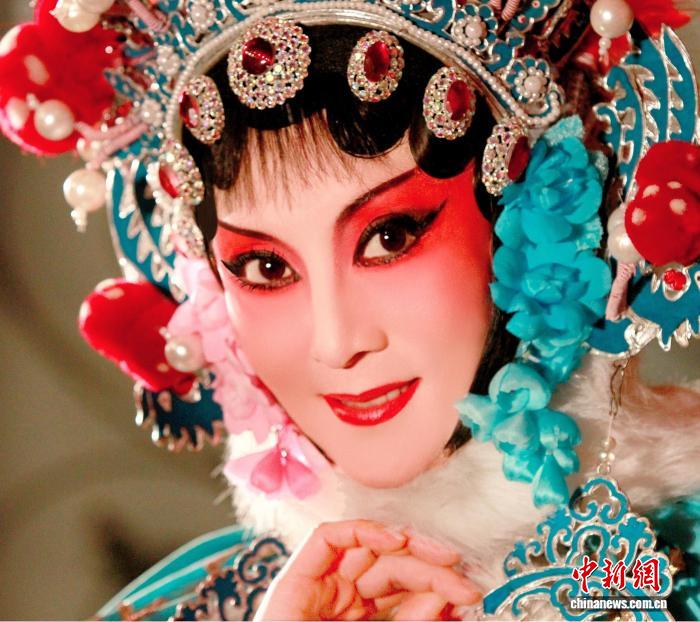
(新春走基层)中国戏剧梅花奖得主张建敏:青春戏曲不在年龄在朝气
Xin Lang Cai Jing· 2026-02-20 03:08
Core Viewpoint - The article discusses the revitalization of traditional Chinese opera, particularly through the lens of Zhang Jianmin, a prominent figure in the field, emphasizing that "youth" in opera is more about vitality and innovation than age [3][6]. Group 1: Youthful Transformation of Traditional Opera - The "Zhejiang has Drama" cultural initiative has led to 11 major opera tours and over 200 performances across Zhejiang, making opera a new cultural consumption hotspot during the Spring Festival [1][3]. - Zhang Jianmin believes that true "youth" in opera comes from the work itself being vibrant and relevant, rather than merely the age of the performers [3][4]. - The success of traditional operas like "The Legend of the White Snake" and "Mu Guiying" showcases the enduring appeal of these classic narratives, which have been rejuvenated for modern audiences [4][6]. Group 2: Education and Talent Development - Zhang Jianmin transitioned from performing to teaching, focusing on nurturing the next generation of opera talent, emphasizing the importance of rigorous practice and comprehensive artistic education [6][9]. - She highlights the necessity for young actors to develop a deep understanding of theory, scripts, and character creation, evolving into "comprehensive talents" [6][8]. - Recent productions from the Zhejiang Wuju Art Research Institute, such as "The Three Strikes of the White Bone Spirit," have gained significant popularity, indicating a resurgence in the market vitality of traditional opera [6][8]. Group 3: Innovation and Tradition - Zhang Jianmin attributes the current popularity of Wuju to a combination of strong grassroots support, government attention, and innovative leadership within theater companies [7][8]. - She advocates for blending traditional opera techniques with modern stage aesthetics, likening it to transforming a "black and white photo" into a "color photo," while still retaining the essence of opera [7][8]. - The evolution of vocal techniques in Wuju, from separating false and true tones to integrating them for character-specific sound, illustrates the balance between innovation and tradition [8][9].