
戏曲饭圈化

Search documents
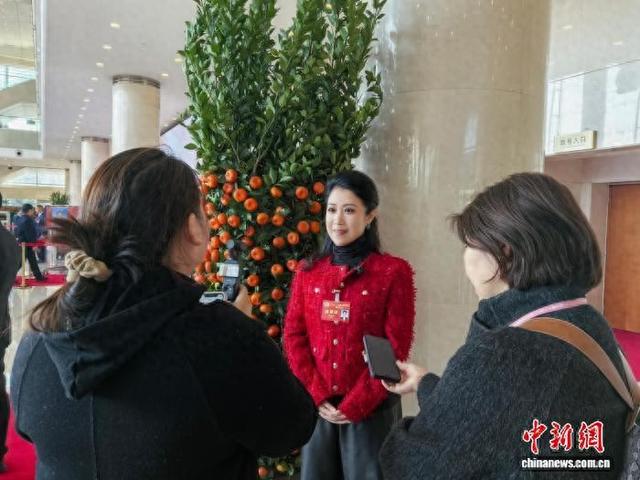
音乐家郑培钦谈戏曲发展:少点“饭圈”多点“出圈”
Xin Lang Cai Jing· 2026-01-13 08:23
Core Viewpoint - Traditional Chinese opera is experiencing a resurgence among younger audiences through new media, but the emergence of "fan culture" is threatening its core values and industry ecology, hindering its sustainable development [1] Group 1: Industry Challenges - The rise of "fan culture" is leading to negative behaviors such as excessive criticism, personal invasions, and superficial admiration, which undermine the essence of traditional opera [1] - The need to transition from "opera culture" to "popular culture" is emphasized as crucial for the healthy and sustainable "outreach" of traditional opera [1] Group 2: Recommendations for Development - Strengthening industry guidance is essential to ensure the preservation of artistic integrity, with a focus on promoting the art itself rather than individual performers [5] - Establishing professional exchange platforms and fostering a healthy commentary ecosystem is recommended to shift discussions from personal conflicts to artistic exploration [5][7] - Encouraging actors to actively engage in cultural transmission and share their insights is vital for guiding fan behavior and promoting a genuine appreciation for the art [7] Group 3: Educational Initiatives - Promoting opera education in schools is suggested to cultivate a rational appreciation for traditional arts among youth, integrating opera appreciation into the curriculum [8] - Organizing community outreach activities, such as "opera in the community" and "theater open days," can help the public experience the dedication behind the art form [8] - Advocating for respectful viewing etiquette is crucial to create a harmonious atmosphere, encouraging audiences to appreciate the art without engaging in negative behaviors [8] Group 4: Long-term Vision - The vitality of traditional opera lies in its transmission, which requires adherence to its artistic essence while aligning with contemporary aesthetic values [8] - A collective effort from the industry, platforms, and society is necessary to transform the enthusiasm of young audiences into a lasting motivation for the preservation of this ancient art form [8]

浙江宣传:戏曲要出圈不要“饭圈”
Bei Jing Ri Bao Ke Hu Duan· 2026-01-09 00:50
Core Viewpoint - Traditional Chinese opera is experiencing a resurgence among young audiences in the digital age, but there are concerns about the "fan culture" that may dilute its artistic essence and heritage [1][7] Group 1: Audience Engagement - Young audiences are showing genuine interest and support for traditional opera, becoming an essential force in its contemporary transmission [1] - The rise of "fan culture" is characterized by irrational behaviors such as focusing on actors' personal lives rather than the art itself, which can undermine the appreciation of opera [2][3] Group 2: Dangers of "Fan Culture" - The "fan culture" leads to divisive behaviors, such as creating "discrimination chains" among different opera genres and engaging in aggressive comparisons, which harms the inclusive nature of the art form [2][3] - Shallow engagement with the art form diminishes its artistic depth, as fans may prioritize personal idolization over the collective appreciation of opera [4][5] Group 3: Impact on Artistic Quality - The focus on popularity and superficial metrics can lead to a decline in the quality of opera, as audiences may equate celebrity status with artistic merit, risking the loss of traditional values [5][6] - The potential for a disconnect in the transmission of aesthetic values poses a risk to the future of opera, as the emphasis shifts from artistic integrity to mere entertainment [5][6] Group 4: Recommendations for Healthy Development - The industry must focus on promoting the art itself, utilizing new media to engage younger audiences while avoiding the pitfalls of excessive idolization [6] - Actors should embrace their role as cultural transmitters, encouraging fans to appreciate the art form rather than just the individuals [6][7] - Audiences are encouraged to shift their focus from idol worship to genuine appreciation of the art, fostering a deeper understanding of the diverse opera genres [6][7]