战争危机

Search documents
迪拜惊魂36小时:战争阴影下中国人的撤离、滞留与盼归
经济观察报· 2026-03-03 05:22
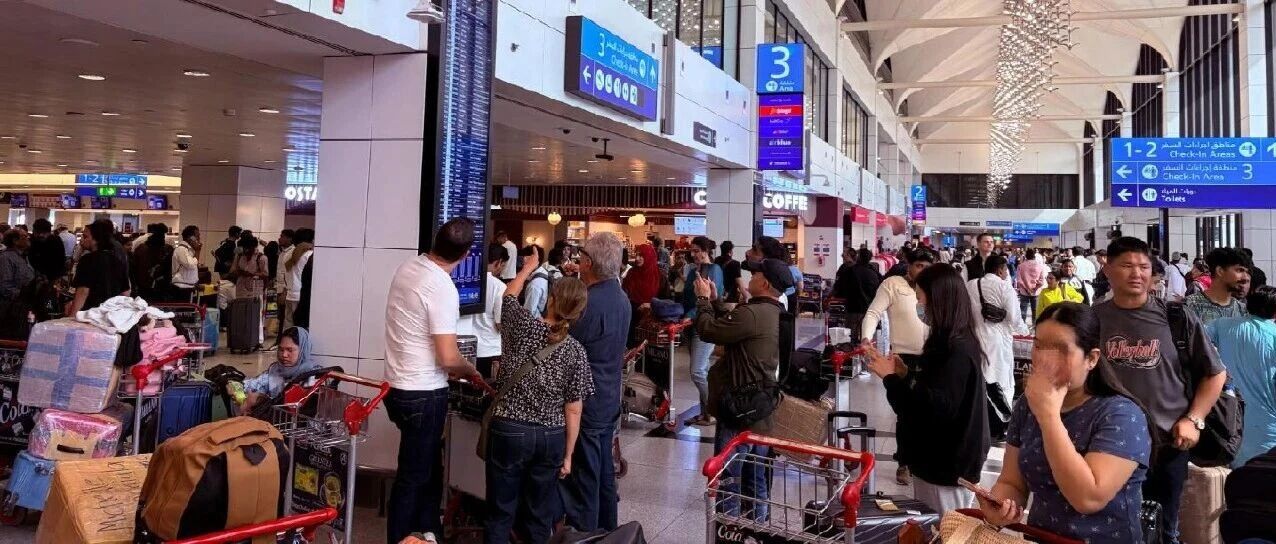
Group 1 - The article highlights the chaos and fear experienced by many Chinese individuals in Dubai during a sudden crisis, particularly focusing on their attempts to evacuate and the emotional toll it took on them [1][4][20] - The crisis began with a joint military action by the US and Israel against Iran, leading to retaliatory missile strikes by Iran targeting US military bases in the UAE, which included the Dubai International Airport [3][10] - The Dubai International Airport, a major global transit hub, faced significant disruptions with thousands of flights canceled and many travelers stranded due to the closure of airspace [3][12][17] Group 2 - The article describes the experiences of individuals like Lisa, who witnessed missile debris falling near her home, and the panic that ensued among the local Chinese community [2][6][8] - Many travelers, including those like Wang, faced long waits at the airport, with reports of chaotic conditions and a lack of communication from airport staff [13][16][17] - The article also details the desperate measures taken by individuals like Ni Ni, who spent over 50,000 yuan to escape Dubai by traveling to Oman before returning to China [18][22]

2026年黄金会涨还是会跌?
吴晓波频道· 2026-03-02 00:29
Core Viewpoint - The article discusses the factors influencing gold prices, including U.S. Treasury yields, the USD-RMB exchange rate, and geopolitical crises, while questioning the future of gold as an investment asset. Group 1: Key Variables Affecting Gold Prices - The first key variable is U.S. Treasury yields, which have recently declined due to expectations surrounding the Federal Reserve's leadership change and interest rate cuts. A decrease in U.S. interest rates typically leads to an increase in Treasury prices, thereby lowering yields [2]. - The second variable is the USD-RMB exchange rate and the evolving perception of the U.S. dollar. Currently, the dollar is in a phase of weakness, with the RMB showing slight appreciation. Additionally, there is a shift in global asset allocation, with cryptocurrencies like Bitcoin gaining attention. The long-standing dominance of the dollar as a global currency anchor, established since the Bretton Woods system in 1945, is being questioned [2]. - The third variable is geopolitical crises. Historically, since 1972, the cycles of gold price fluctuations have been closely tied to U.S. Treasury yields, the credibility of the dollar, and geopolitical tensions. The article prompts consideration of how Treasury yields will change, the adjustments in dollar interest rates, and the potential resolution of geopolitical crises [2].