战略自卫

Search documents
美国霸权围堵升级?中方亮出王牌,新《对外贸易法》划出红线!
Sou Hu Cai Jing· 2025-12-30 11:49
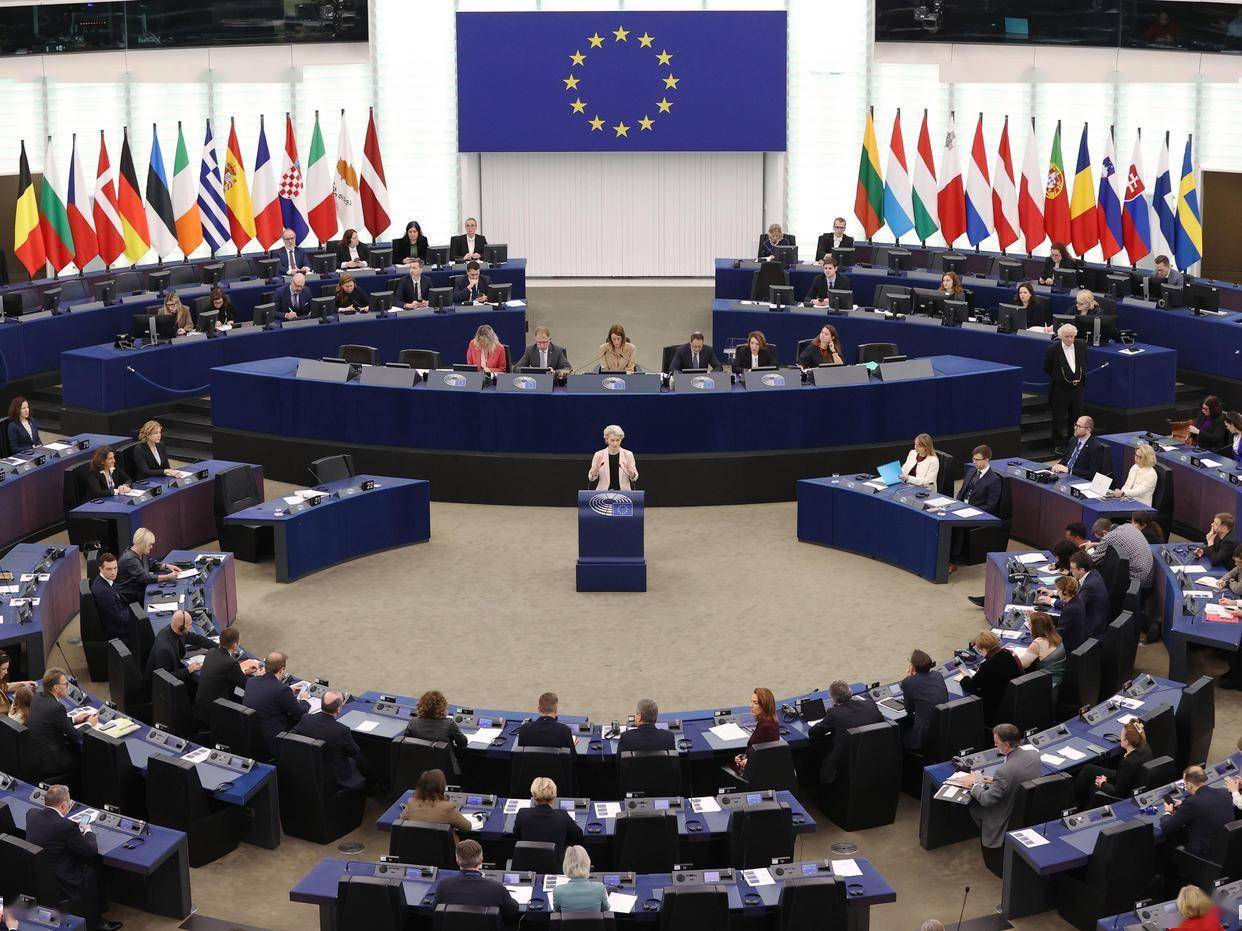
Core Viewpoint - The newly revised Foreign Trade Law of the People's Republic of China has been officially passed, representing a strategic tool for China in future economic and trade negotiations, moving from a passive to an active stance in international trade disputes [1][4]. Group 1: Key Changes in the Law - The law explicitly includes the maintenance of national sovereignty, security, and development interests, enriching the legal toolkit for external struggles [4][6]. - There is a strengthened control over the export of strategic materials, allowing for legal measures against countries that impose sanctions while seeking to purchase critical resources [6][9]. Group 2: Implications for Market Participants - The law establishes clear rules for all market entities, prioritizing national interests over commercial interests, and mandates that enterprises must comply with state measures during retaliatory actions [9][10]. - The implementation of a negative list management system for cross-border service trade will allow for greater operational freedom in all areas not explicitly restricted [13]. Group 3: Strategic Timing and International Engagement - The law will take effect on March 1, 2026, providing a buffer period for domestic companies to adapt and for the international community to observe [15][16]. - The law aims to align with high-standard international trade regulations, such as the CPTPP, incorporating areas like digital trade and intellectual property protection into its framework [10][11]. Group 4: Broader Economic Context - The law signifies a shift in China's approach to trade, emphasizing the importance of having the ability to respond to unfair practices and asserting its position in the global trade order [18].

突发特讯!普京通告全球:若欧洲发动战争 俄已做好准备,罕见措辞引爆国际舆论
Sou Hu Cai Jing· 2025-12-03 11:56
Group 1 - The core viewpoint is that Russia is prepared to respond to potential conflicts initiated by Europe, emphasizing that any escalation will be the responsibility of the provocateurs [1][7][9] Group 2 - Europe has significantly modified the US-proposed 28-point peace plan, claiming to balance interests, but the revised plan favors Ukraine and the West while placing Russia at a disadvantage [4][6] - This manipulation of the peace process is seen as a strategy to shift the blame for any collapse of peace onto Russia, which undermines diplomatic norms and reflects Europe's underlying war-risk mentality [4][6] Group 3 - Russia's military readiness is not merely rhetoric; it includes a comprehensive military system, strategic nuclear forces, and emergency deployment capabilities to handle any sudden situations [6][9] - The statement from Putin indicates that any war provocation will incur significant costs, and Russia's strategic confidence should not be underestimated [6][9] Group 4 - If Europe were to recklessly initiate war, the responsibility would lie entirely with Europe, aligning with both international law and historical precedents [7][9] - The firm stance from Russia suggests that war is a last resort, and those who provoke conflict must bear the risks associated with their actions [7][9]