贸易保护

Search documents
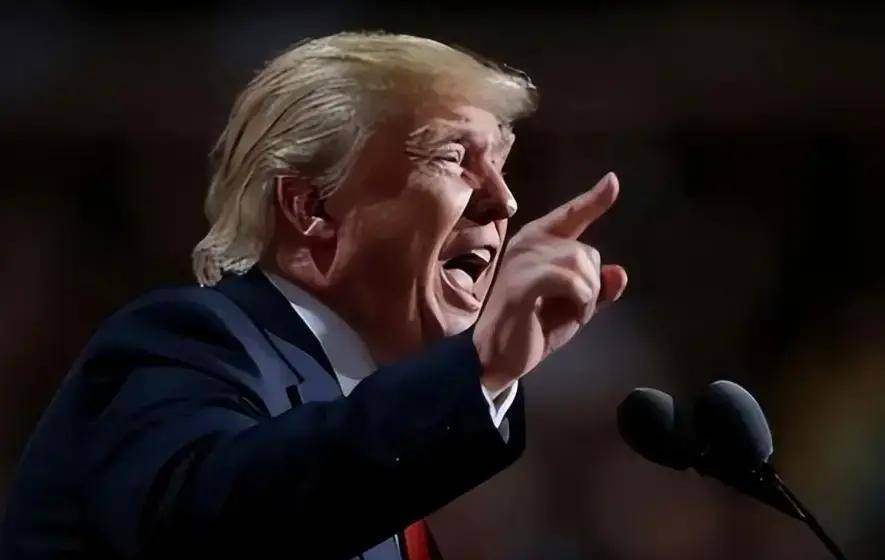
特朗普突然发文昭告全球,包括中国俄罗斯在内,这次一个都跑不掉
Sou Hu Cai Jing· 2026-02-25 10:39
Core Viewpoint - The article discusses former President Trump's new tariff policy, which imposes an additional 15% tariff on imports from all countries and regions after a Supreme Court ruling deemed his previous tariff actions illegal. This move is seen as a strategic adjustment to comply with legal frameworks while maintaining a protectionist stance. Group 1: Legal Framework and Strategy - Trump has shifted his legal basis for tariffs from the International Emergency Economic Powers Act to the Trade Act, which is designed to align with U.S. legal procedures and reduce the likelihood of judicial intervention [1][3][5] - The new tariff policy is perceived as more cautious and legally sound, as it utilizes a law that explicitly grants the president authority over trade management and tariff adjustments [5][7] Group 2: Economic Implications - The additional tariffs are expected to increase costs for U.S. businesses and consumers, leading to higher prices for everyday goods and increased pressure on industries reliant on imported materials [9][11] - The ongoing trade tensions and unpredictable tariff policies are likely to destabilize global trade relations, impacting international economic recovery [9][16] Group 3: Trade Relations and Global Impact - Despite the aggressive tariff measures, the U.S. remains dependent on global supply chains and cannot fully disengage from major trading partners like China [11][15] - The article suggests that Trump's approach may not lead to concessions from other countries, as they are likely to maintain their strong positions in response to U.S. unilateral trade actions [13][16]

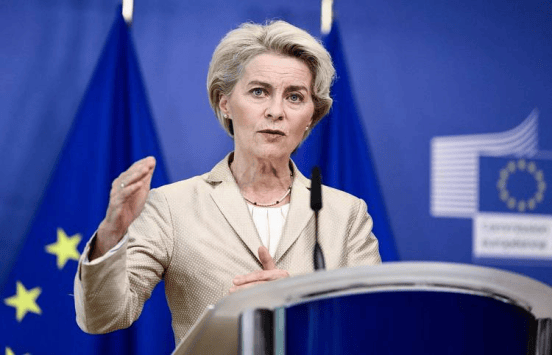
冯德莱恩彻底摊牌了,对中国产品征收79%反倾销关税,印度做法亮了
Sou Hu Cai Jing· 2026-02-24 15:34
Core Viewpoint - The European Commission, led by Ursula von der Leyen, has imposed a sudden 79% anti-dumping tax on ceramic tableware and kitchenware from China, marking a significant shift in trade policy aimed at protecting EU industries, particularly in Spain and Italy, against Chinese competition [1][3][4]. Group 1: Trade Policy and Impact - The anti-dumping tax is a targeted measure rather than a broad trade war, focusing specifically on the ceramic industry to protect local jobs and industries in Spain and Italy [3][4]. - Despite previous floating tariffs of 13% to 35%, Chinese ceramic exports to the EU continued to grow, indicating a strong competitive position that threatened local manufacturers [3][4]. - The EU's anti-dumping actions have been ongoing since 2012, with the recent tax exceeding expectations and reflecting a long-term strategy against perceived market distortions [4][5]. Group 2: Challenges for Chinese Companies - Chinese ceramic companies face significant challenges in contesting the EU's anti-dumping measures due to the high costs and complexities involved in the appeals process, which many small and medium-sized enterprises cannot afford [7][9]. - The EU's standards for determining market distortion are seen as unilateral and not aligned with World Trade Organization rules, complicating the ability of Chinese firms to defend themselves [5][6]. Group 3: Comparison with India - In contrast to China, India has effectively supported its ceramic industry by covering legal costs for anti-dumping appeals and providing guidance, which has helped maintain its market share in the EU [8][9]. - India's approach emphasizes collaboration and government support, allowing its companies to navigate the challenges posed by EU tariffs more effectively than their Chinese counterparts [8][9]. Group 4: Future Directions for Chinese Industry - The imposition of the 79% tariff serves as a wake-up call for the Chinese ceramic industry to rethink its strategies, focusing on quality and innovation rather than competing solely on price [11]. - There is a call for the establishment of a unified industry association to facilitate collective action among Chinese ceramic companies, enabling them to share resources and reduce costs associated with legal appeals [11].
今日财经要闻TOP10|2026年2月23日
Xin Lang Cai Jing· 2026-02-23 11:48
Group 1 - The U.S. government is considering a military strike against Iran if diplomatic efforts fail, with a potential first strike planned in the coming days [1][3] - Trump has indicated that if initial precision strikes do not compel Iran to abandon its nuclear program, a larger military action may be considered later this year [1][3] - U.S. and Iranian representatives are set to meet in Geneva for what appears to be the final round of negotiations to avoid military conflict [1][3] Group 2 - Iran's Foreign Minister has stated that diplomatic solutions to the nuclear issue are still viable and emphasized the importance of negotiations over military actions [4][12] - Iran is preparing a proposal to submit to the U.S. and believes that an agreement could be reached soon, potentially better than the 2015 nuclear deal [4][12] Group 3 - The U.S. Supreme Court ruled that the government's imposition of tariffs under the International Emergency Economic Powers Act was unlawful, prompting a response from the Chinese government [2][10] - China opposes unilateral tariff measures and emphasizes that trade wars have no winners, urging the U.S. to eliminate such tariffs [2][10] Group 4 - The Hong Kong stock market saw significant movements, with the Hang Seng Index rising by 2.531% and the Hang Seng Tech Index increasing by 3.336% [5][14] - Notable stock performances included Zijin Mining up by 5.347% and NIO-SW up by 5.290% [6][14] Group 5 - The AI model company Kimi has achieved rapid growth, becoming the fastest domestic company to reach a valuation of over $10 billion, with significant revenue growth driven by international users [7][15] - Kimi's recent funding rounds have exceeded $1.2 billion, and its revenue in the last 20 days surpassed its total revenue for the previous year [7][15] Group 6 - The AI sector experienced volatility, with significant declines in stock prices for companies like Zhiyu and Haizhi Technology, attributed to a recent apology letter addressing user concerns [8][16] - Zhiyu's market value dropped by over 700 billion HKD following the announcement, despite previous strong performance [8][16]
一觉醒来,特朗普受奇耻大辱,美方哀叹:中国还能买美国大豆吗?
Sou Hu Cai Jing· 2026-02-22 22:35
Core Viewpoint - The U.S. Supreme Court ruled that Trump's global tariff strategy is illegal, challenging his "America First" agenda and prompting a fierce response from him, including a new 10% tariff on global imports [1][7][12] Group 1: Legal and Political Implications - The Supreme Court's ruling undermines Trump's tariff policies, which he previously used as leverage in trade negotiations, particularly with China [1][8] - Trump's immediate reaction included a press conference where he announced plans to impose additional tariffs, indicating a defiance against the ruling [1][10] - The ruling has raised questions about the credibility of U.S. trade policies and the potential for international backlash against the U.S. [12][14] Group 2: Economic Context - The tariffs were initially seen as a way for the U.S. to reclaim economic advantages, particularly in the agricultural sector, where U.S. soybean exports to China were a key focus [3][8] - Other countries, including Japan and the EU, have paid significant amounts in response to U.S. tariffs, with Japan contributing $550 billion and the EU $600 billion [5] - The reliance on tariffs has created a fragile economic balance, with potential long-term consequences for U.S. economic stability and relationships with allies [5][10] Group 3: Agricultural Sector Impact - The ruling poses a significant threat to U.S. soybean exports, which are crucial for Trump's political support from Midwestern farmers [8][10] - Experts have expressed concerns that without the threat of tariffs, China may turn to cheaper soybean sources from Brazil, undermining U.S. agricultural interests [8][10] - The urgency of Trump's upcoming visit to China suggests a desperate attempt to secure soybean deals before the situation deteriorates further [12][15]
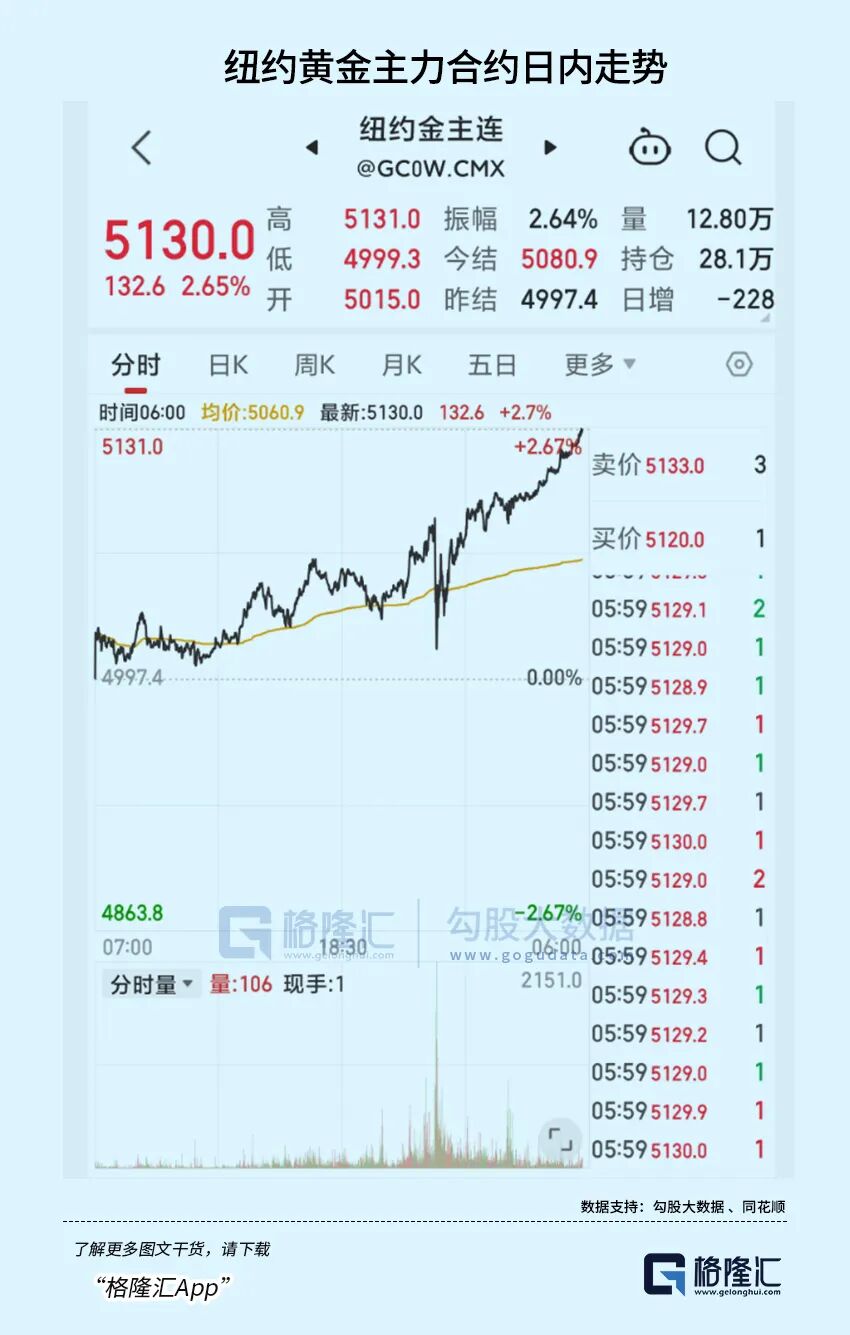
美国最高法史诗级裁决!特朗普关税违法,黄金冲破5100,白银狂飙9%!
Ge Long Hui A P P· 2026-02-22 00:47
Core Viewpoint - The U.S. Supreme Court's ruling against the Trump administration's global tariffs marks a significant turning point in U.S. trade policy, leading to a surge in market enthusiasm and a notable increase in precious metal prices [1][2]. Group 1: Supreme Court Ruling and Market Reaction - The Supreme Court ruled 6-3 that the tariffs imposed by the Trump administration exceeded presidential authority, rendering them invalid [1][2]. - Following the ruling, U.S. stock indices experienced a strong rebound, with the Dow Jones up 0.47%, S&P 500 up 0.69%, and Nasdaq up 0.90% [1][4]. - The ruling effectively eliminated the uncertainty surrounding unilateral tariff increases, boosting market confidence and risk appetite [5]. Group 2: Impact on Precious Metals - Precious metals saw a significant rally, with gold prices rising 2.66% to surpass $5,100 per ounce, and silver prices soaring 8.9% to $85.19 per ounce [1][12]. - The ruling, combined with escalating geopolitical tensions in the Middle East, contributed to a favorable environment for precious metals, particularly benefiting silver due to its dual role as an industrial and safe-haven asset [6][14]. Group 3: Future Considerations - The upcoming implementation of a 10% temporary tariff by Trump and its potential impact on U.S. businesses will be crucial to monitor [19]. - The nearing deadline for U.S.-Iran negotiations may further influence precious metal prices, depending on whether military actions are taken [20].
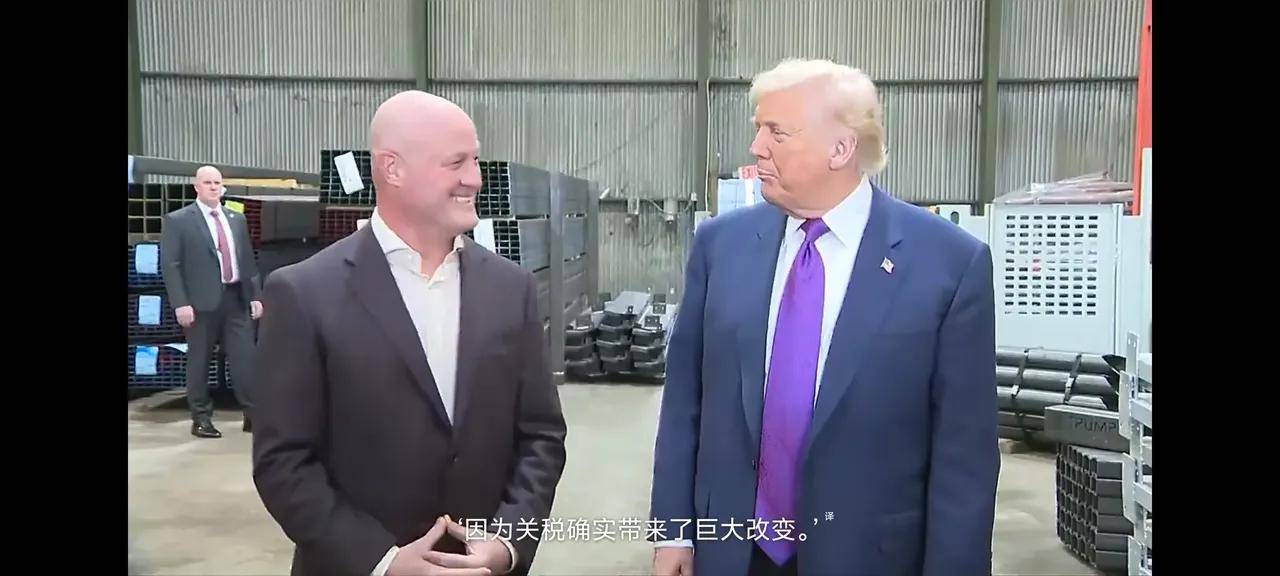
美高层视察的一家美国钢铁制品公司老板诉苦,以前他在与东大的竞争中苦苦挣扎。
Sou Hu Cai Jing· 2026-02-21 04:23
Group 1 - The core issue highlighted is the lack of competitiveness of the U.S. manufacturing industry against low-priced foreign products, with domestic production costs significantly higher at $150 compared to $90 for imports [1] - The implementation of tariff policies has led to increased prices for consumers, with similar products now exceeding $150 and delivery times extending to 36 weeks, indicating a direct impact on consumer costs [1] - Economic experts argue that trade barriers created through administrative means effectively subsidize specific industries at the expense of overall consumer welfare, raising concerns about the long-term viability of domestic industries without international competition [1] Group 2 - While some level of trade protection is deemed necessary, there is a warning against using such measures to sustain outdated production capacities, which ultimately harms societal economic efficiency [3] - The article emphasizes the importance of consumer feedback regarding high prices and long delivery times, suggesting that the ultimate test of economic policy should be the well-being of the populace [3]
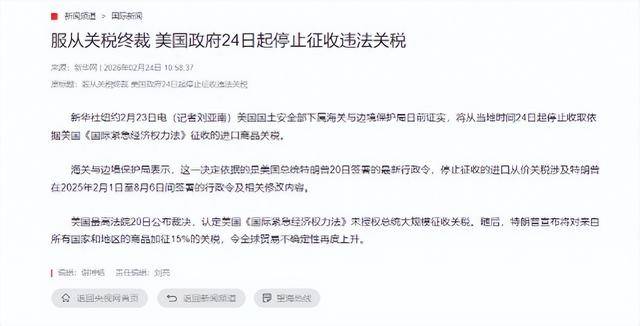
被判违法后,特朗普为何能宣布额外征收10%全球关税?还有牌?
Di Yi Cai Jing· 2026-02-20 23:25
Core Viewpoint - The Trump administration is planning to impose an additional 10% tariff on global goods based on the Trade Act of 1974, Section 122, following a Supreme Court ruling that deemed previous tariff policies illegal [1][4]. Group 1: Tariff Implementation - The additional 10% tariff will be implemented immediately, as stated by U.S. Trade Representative Lighthizer [1]. - The Section 122 allows the U.S. government to impose tariffs of up to 15% within 150 days, with the possibility of further investigations into specific industries [2][4]. - The administration is facing pressure to act due to existing trade agreements that could create disparities in tariff rates between countries with agreements and those without [4]. Group 2: Legal Framework and Options - The Trump administration has several legal avenues for imposing tariffs, including Sections 232, 301, and 201 of the Trade Act, as well as Section 338 of the Tariff Act of 1930 [1][6]. - Section 232 has already been used for tariffs on steel and aluminum, while Section 301 investigations are ongoing against countries like Brazil [6][7]. - Section 201 is a more traditional safeguard mechanism that allows for tariffs based on injury to domestic industries, with historical rates ranging from 30% to 50% [7]. Group 3: Economic Implications - The Treasury Secretary indicated that the use of Section 122 and potential enhancements of Sections 232 and 301 could maintain U.S. tariff revenue levels through 2026 [4]. - Experts suggest that tariffs are politically unpopular due to their impact on price levels and consumer affordability [5][6]. - There is a concern that the administration may exploit the legal framework to repeatedly implement Section 122 without clear prohibitions against such actions [5].

美国今日迎来PCE、GDP、关税违法三大超预期时刻,对此你怎么看?
Sou Hu Cai Jing· 2026-02-20 17:03
Group 1: Impact of Supreme Court Ruling on Tariffs - The U.S. Supreme Court ruled that the previous administration's imposition of global tariffs exceeded presidential authority, leading to a series of consequences including the potential return of collected tariffs, which could affect U.S. trade policy and global trade dynamics by 2026 [1][2] - The total amount of tariffs collected is estimated to exceed $140 billion, with pending refunds potentially reaching the billion-dollar level, impacting U.S. importers rather than foreign exporters [2] - The ruling may increase pressure on the U.S. federal budget deficit and complicate the debt ceiling negotiations, as the refunds will likely be funded through customs revenue or general treasury accounts [2][3] Group 2: Core PCE and Economic Indicators - The core PCE index showed a year-over-year increase of 3.0% and a month-over-month increase of 0.4%, both exceeding market expectations, indicating persistent inflationary pressures [4] - The disappointing GDP growth rate of 1.4% for Q4 2025, significantly below the expected 3.0%, reflects a slowdown in consumer spending and government expenditure, suggesting a potential economic soft landing but raising concerns about stagflation [5] - The mixed economic signals, with inflation remaining high while growth slows, create a challenging environment for monetary policy, limiting the Federal Reserve's ability to lower interest rates [5][6] Group 3: Market Reactions and Future Outlook - Financial markets are experiencing volatility, with growth stocks under pressure and defensive sectors gaining favor due to the mixed economic data [5][6] - The overall market sentiment indicates a shift towards cautious asset pricing, with expectations of prolonged high interest rates and a focus on stability [7] - The likelihood of a soft landing for the U.S. economy appears higher than a recession, but market considerations regarding earnings and valuations may continue to lean towards the former [7]
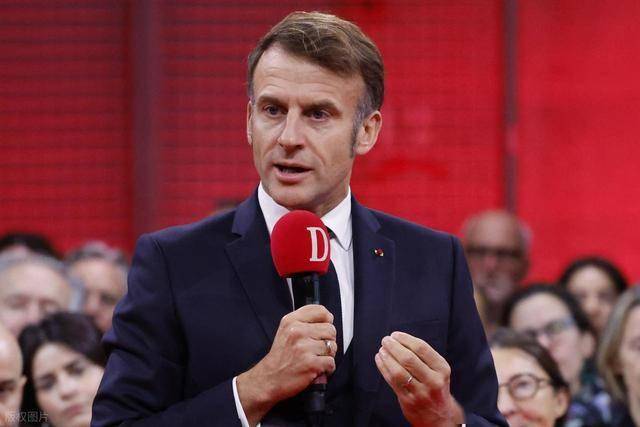
欧盟欲对华加税30%?法国打响第一枪,美财长一句话定义中美关系
Sou Hu Cai Jing· 2026-02-13 10:46
Core Viewpoint - The French government's strategic report proposes a comprehensive 30% tariff on Chinese goods to address the significant trade deficit with China, which reached €304.5 billion in 2024, reflecting a sense of urgency and crisis within the EU manufacturing sector [1][3][5]. Group 1: Trade Deficit and Economic Impact - The EU's trade deficit with China is highlighted as a major concern, with the deficit amounting to €304.5 billion in 2024, indicating a substantial economic imbalance [3][5]. - 55% of EU manufacturing output is reportedly facing direct competition from China, with this figure rising to 70% for Germany, underscoring the pressure on European industries [5]. Group 2: Proposed Tariff and Currency Manipulation - The proposal suggests imposing a 30% tariff on Chinese products or forcing a corresponding appreciation of the Renminbi to level the playing field, based on the assessment that Chinese products have a 30%-40% cost advantage [5][19]. - The suggestion to force a 30% appreciation of the Renminbi is criticized as unrealistic, given China's current economic position and currency sovereignty [19][21]. Group 3: Historical Context and Lessons from the US - The article draws parallels with the US-China trade war, noting that the US's previous attempts to reduce trade deficits through tariffs ultimately failed, leading to increased trade surpluses for China [10][12]. - The US's shift from a direct tariff approach to a more strategic "regulatory lock" model is presented as a lesson that Europe may overlook in its current aggressive stance [15][30]. Group 4: Internal EU Dynamics and Reactions - There is skepticism within the EU regarding the feasibility of the proposed tariffs, particularly from Germany and other countries deeply integrated into global supply chains, who may face significant repercussions [23][26]. - The French finance minister's cautious stance on a one-size-fits-all approach indicates an awareness of the potential backlash from China, which could target European exports in retaliation [25][26]. Group 5: Broader Implications for Europe - The report reflects a deeper strategic isolation within Europe, as it grapples with significant trade deficits while attempting to assert itself against China [28][30]. - The article concludes that Europe may be on a path to repeat the mistakes of the US, emphasizing the need for coexistence and realistic strategies rather than aggressive tariffs [30].
27国外援候命,马克龙通知全球,对华打响第一枪,中方奉陪到底
Sou Hu Cai Jing· 2026-02-12 19:26
Core Viewpoint - The French government think tank has proposed that the EU should impose stricter trade measures against Chinese goods, suggesting a 30% tariff on all Chinese exports to the EU and a potential 30% appreciation of the yuan against the euro to address the perceived unfair trade situation between the EU and China [2][4]. Group 1: Trade Measures - The report indicates that the EU's trade deficit with China is expected to reach €304.5 billion in 2024, highlighting the significant financial outflow to China [4]. - The proposed measures aim to counteract the competitive pressure that Chinese products exert on various European industries, including automotive, chemicals, machine tools, and batteries [4][6]. - The French think tank believes that existing trade defense mechanisms are insufficient to address the challenges posed by China's low-cost products [4][6]. Group 2: Internal EU Disagreements - There is significant opposition within the EU regarding the proposed tariffs, particularly from countries like Germany and the Netherlands, which have strong economic ties with China [8][10]. - The proposal faces challenges due to the lack of consensus among EU member states, as countries with close trade relations with China are unlikely to support such aggressive measures [8][10]. - The internal divisions within the EU may hinder the implementation of the proposed tariffs, as countries like the Netherlands and Spain are also reluctant to adopt such drastic actions [10]. Group 3: China's Response - China has indicated that it will not easily compromise and has threatened to take retaliatory measures against French products, such as wine and luxury goods [10][12]. - The Chinese government has stated that the yuan's exchange rate will be determined internally, rejecting any external pressure [12]. - Despite potential tariffs, China's low-cost products maintain a competitive advantage, being approximately 30%-40% cheaper than similar European products [14][15]. Group 4: Broader Economic Context - The U.S. has shown support for France's stance, with the U.S. Treasury Secretary suggesting that while the U.S. and China are competitors, they should engage in fair competition [12][14]. - The ongoing economic resilience of China suggests that it may effectively counter external pressures, indicating a prolonged economic confrontation between the EU and China [14][15].