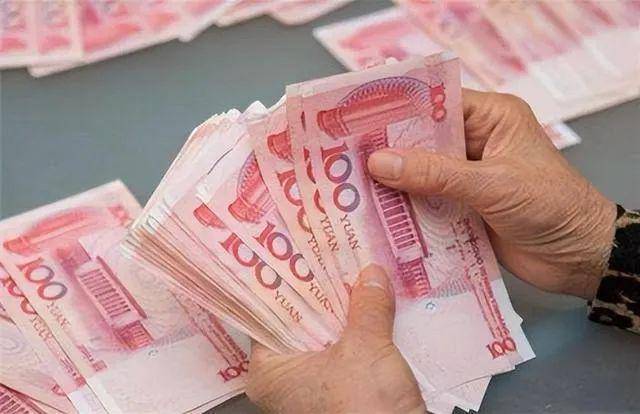
房价贬值

Search documents
2026年开始,中国贬值最快的不是钞票,而是这4样东西?
Sou Hu Cai Jing· 2026-01-04 22:45
Core Viewpoint - The article discusses the rapid depreciation of various assets in China, particularly focusing on the real estate market, automobiles, luxury goods, and educational qualifications, predicting that these will continue to lose value in the coming years. Group 1: Real Estate - The domestic housing market has been in a long-term adjustment trend since 2022, with prices in second and third-tier cities declining first, followed by first-tier cities like Shanghai and Shenzhen [5] - The depreciation of second-hand housing is attributed to three main factors: the sluggish economy leading to stagnant or declining income, the loss of speculative interest in real estate, and a surge in second-hand housing listings indicating a lack of confidence in future price increases [5] - It is expected that the prices of second-hand homes will continue to decline into 2026, particularly in first-tier cities where a correction is anticipated [5] Group 2: Automobiles - The automobile market is experiencing rapid depreciation due to intense price competition among manufacturers, particularly with the entry of companies like Xiaomi and Huawei into the market [6] - The fast pace of technological advancement in the automotive industry is leading to older models being sold at discounted prices to clear inventory [6] - The market is also facing an oversupply of vehicles, with both traditional fuel vehicles and new energy vehicles competing aggressively on price [6][8] Group 3: Luxury Goods - Luxury goods are predicted to experience significant depreciation, with prices of some high-end items dropping by over 20% [10] - The decline in luxury goods value is driven by reduced disposable income among middle-class families, leading to decreased demand for high-priced items [10] - The rise of counterfeit products that closely resemble genuine luxury items has also contributed to the depreciation, as consumers opt for cheaper alternatives [10] Group 4: Educational Qualifications - The value of educational qualifications is diminishing, with an increasing number of job postings requiring higher degrees, leading to an oversupply of graduates in the job market [12] - The rapid increase in the number of higher education institutions has resulted in a significant rise in the number of graduates, making degrees less valuable [12] - The article suggests that practical skills may become more valuable than formal educational qualifications in the job market [12]

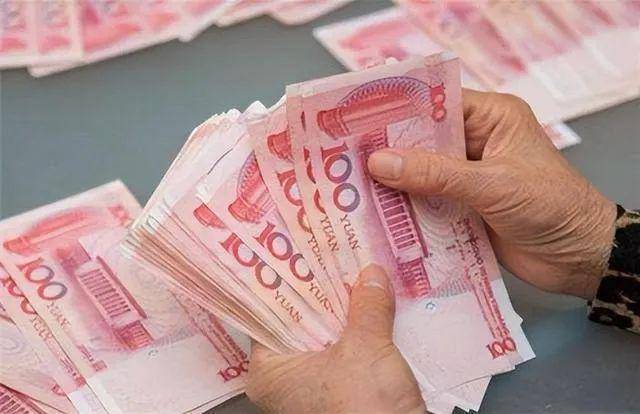
未来5年,中国贬值最快的不是现金,而是这4样东西
Sou Hu Cai Jing· 2025-08-08 14:25
Core Viewpoint - The fastest depreciating asset in China over the next five years is not cash, but rather real estate, automobiles, luxury goods, and university degrees due to various economic factors and changing consumer behavior [1][3][5]. Group 1: Economic Context - As of June, the broad money supply (M2) in China reached 330.29 trillion yuan, growing by 8.3% year-on-year, indicating severe monetary overexpansion [1]. - The current economic growth rate has significantly slowed, reducing the likelihood of hyperinflation, with the Consumer Price Index (CPI) showing a slight deflation of -0.1% in the first half of 2025 [3]. Group 2: Depreciating Assets - **Real Estate**: Since 2022, housing prices have been in a long-term adjustment phase, with an average decline of 30% from historical highs, and some cities experiencing declines over 60% [5][7]. - **Automobiles**: A price war among domestic and foreign car brands is leading to significant depreciation, with mid-range cars dropping by 20,000 to 30,000 yuan and luxury brands seeing reductions of nearly 100,000 yuan [9]. - **Luxury Goods**: The global luxury goods market has seen a decrease of 50 million consumers, with 65.9% of consumers reducing purchases due to perceived low value for money, leading to price cuts from brands like Gucci and Burberry [11]. - **University Degrees**: The rapid increase in university enrollment has led to a devaluation of degrees, as employers now prioritize experience over academic qualifications, resulting in a surplus of graduates in the job market [13].