
房屋安全管理资金制度

Search documents
加快推进城镇“老龄房”体检 郑州、南通等地试点“政府买单”
Xin Jing Bao· 2025-12-05 14:53
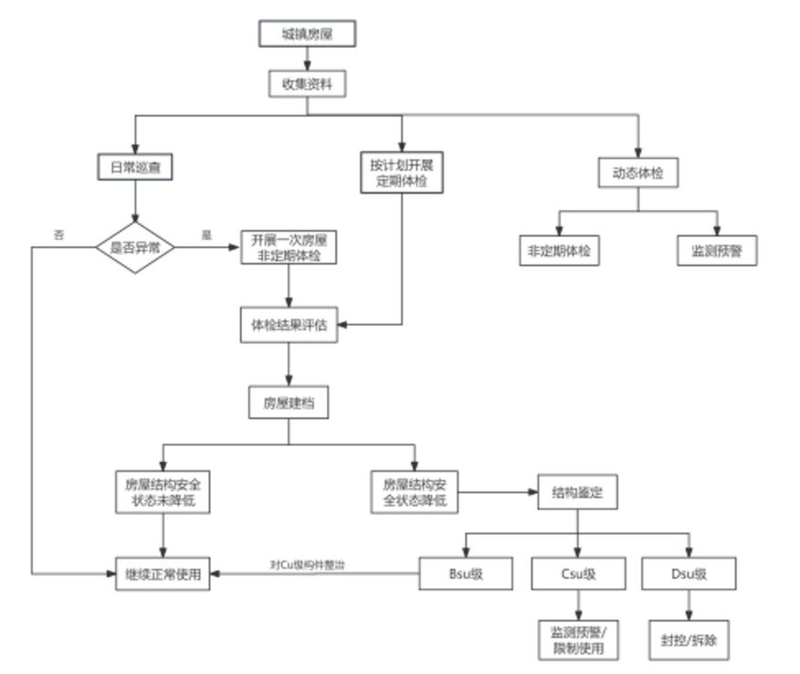
Core Viewpoint - The recent fire incident in Hong Kong has raised concerns about the safety of old buildings and high-rise residential properties, prompting discussions on the implementation of a building health check system to prevent potential hazards [1] Group 1: Policy Support - The Ministry of Housing and Urban-Rural Development has emphasized the need for a comprehensive safety management system for buildings throughout their lifecycle, with a focus on regular health checks for aging properties [2][3] - As of 2024, over 210 million residential units in China are over 25 years old, accounting for approximately 38.7% of urban housing stock, highlighting the urgency of implementing building health checks [2] - Multiple cities have begun to establish guidelines and frameworks for conducting regular health checks on aging buildings, with specific requirements for properties over 25 years old to undergo inspections every 5 to 10 years [4][6] Group 2: Implementation Details - In cities like Zhengzhou, a pilot program has been initiated to implement a three-part system for building safety management, which includes health checks, insurance, and funding mechanisms [3][8] - The health check results will categorize buildings as "pass," "basic pass," or "fail," with strict measures for those that do not meet safety standards, including potential cessation of use and further evaluations [3][6] - Various cities have established specific guidelines for the frequency and scope of health checks, particularly for public buildings and densely populated residential areas [4][6] Group 3: Funding Mechanisms - Funding for building health checks is primarily sourced from government budgets, with local authorities covering the costs for residential properties, ensuring that financial barriers do not hinder the implementation of safety checks [8][9] - In Zhengzhou, the local government has committed to fully funding health checks for eligible residential buildings, while also providing subsidies for non-residential properties [7][8] - The funding structure includes both public accounts, primarily from fiscal revenues, and personal accounts, which may require additional contributions from homeowners if maintenance funds are insufficient [9]

住建部最新明确,推进现房销售制
Di Yi Cai Jing· 2025-10-31 06:20
Core Viewpoint - The article emphasizes the need for high-quality development in the real estate sector, outlining key tasks and reforms to ensure sustainable growth and safety in housing [1]. Group 1: Key Tasks for High-Quality Development - Optimize the supply of affordable housing [1] - Promote the continuous and healthy development of the real estate market [1] - Reform and improve the systems for real estate development, financing, and sales [1] - Implement housing quality improvement projects [1] - Enhance property service quality [1] - Establish a comprehensive safety management system for the entire lifecycle of housing [1] Group 2: Safety Management Initiatives - Establish a housing safety inspection system to identify risks promptly [2] - Create a housing safety management fund to address repair funding issues, consisting of personal and public accounts [2] - Develop a housing quality safety insurance system to enhance safety assurance through market mechanisms [3] Group 3: Promoting Sustainable Market Development - Use housing development planning and annual plans to establish a mechanism linking population changes with housing demand and land supply [4] - Implement city-specific policies to give local governments autonomy in real estate market regulation [4] - Standardize the rental market and support the growth of professional rental enterprises [4] Group 4: Enhancing Property Services - Expand the coverage of property services and explore integrated service models combining property and lifestyle services [5] - Strengthen self-regulation within the property service industry to improve service quality [5] - Address community needs through enhanced property services, including elderly care and childcare [5] Group 5: Quality Improvement in Housing - Focus on building safe, comfortable, green, and smart housing while improving standards across all stages of housing development [6] - Promote urban renewal initiatives that enhance the quality of housing, neighborhoods, and communities [6] Group 6: Affordable Housing Supply Optimization - Establish a housing guarantee waiting list system to match the needs of beneficiaries with available housing [7] - Develop a multi-tiered housing guarantee system primarily based on public rental housing and affordable rental housing [8] - Ensure fairness and transparency in the management of affordable housing applications and allocations [8]