房屋质量

Search documents
新小区出现1431条裂缝,开发商回应“将及时公布检测报告
3 6 Ke· 2026-02-02 03:21
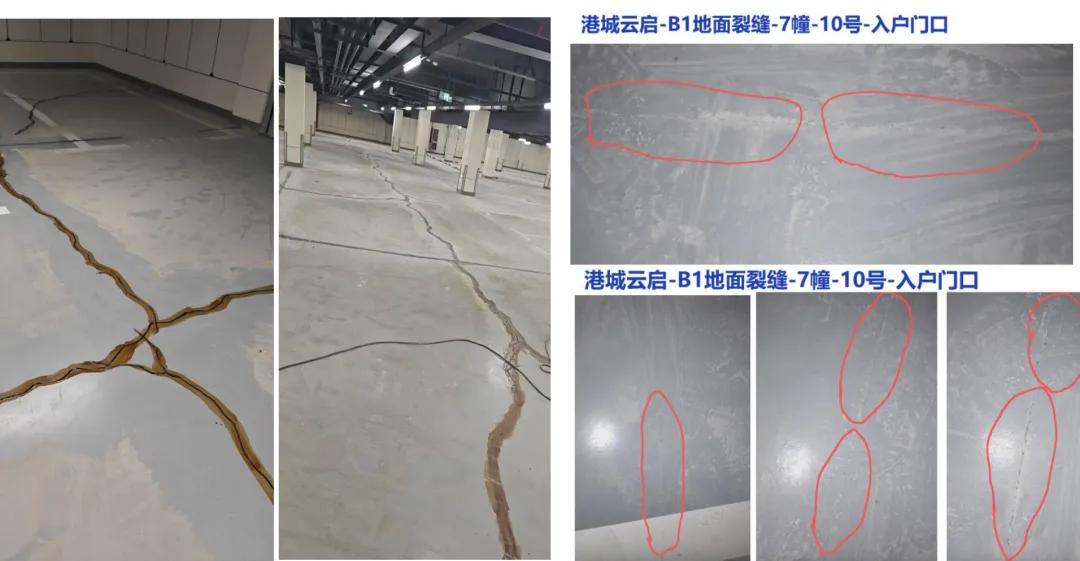
Core Viewpoint - The recent issues regarding severe cracking in the underground parking structure of the residential project "Gangcheng Zhonghuan Huiyunqi" in Shanghai have raised significant concerns among homeowners, prompting demands for third-party inspections and transparency from the developer [1][8]. Group 1: Project Overview - "Gangcheng Zhonghuan Huiyunqi" is a residential project under Shanghai Gangcheng Group, marking the group's first entry into the Zhangjiang Science City with a total of 720 units set to be launched in September 2024 at an average price of 65,000 RMB per square meter [2][5]. - The project achieved record sales in October 2024, topping the charts for both transaction volume and area in Shanghai's real estate market [2]. Group 2: Structural Issues - Homeowners reported a total of 1,431 cracks in the underground parking area, with 972 cracks in the west zone and 459 in the east zone, indicating significant structural concerns [8]. - The cracks vary in width, with some measuring up to 7 mm, and there are over 200 instances of water seepage and surface repairs noted [8][10]. Group 3: Developer's Response - The developer, Shanghai Haigang New Town Real Estate Co., has committed to addressing the issues and has been in communication with homeowners since August 2023 [10][12]. - The company attributes the cracking to improper construction techniques, specifically related to the concrete leveling process, and has outlined a remediation plan involving the application of anti-crack materials and restoration of the surface [10][12].

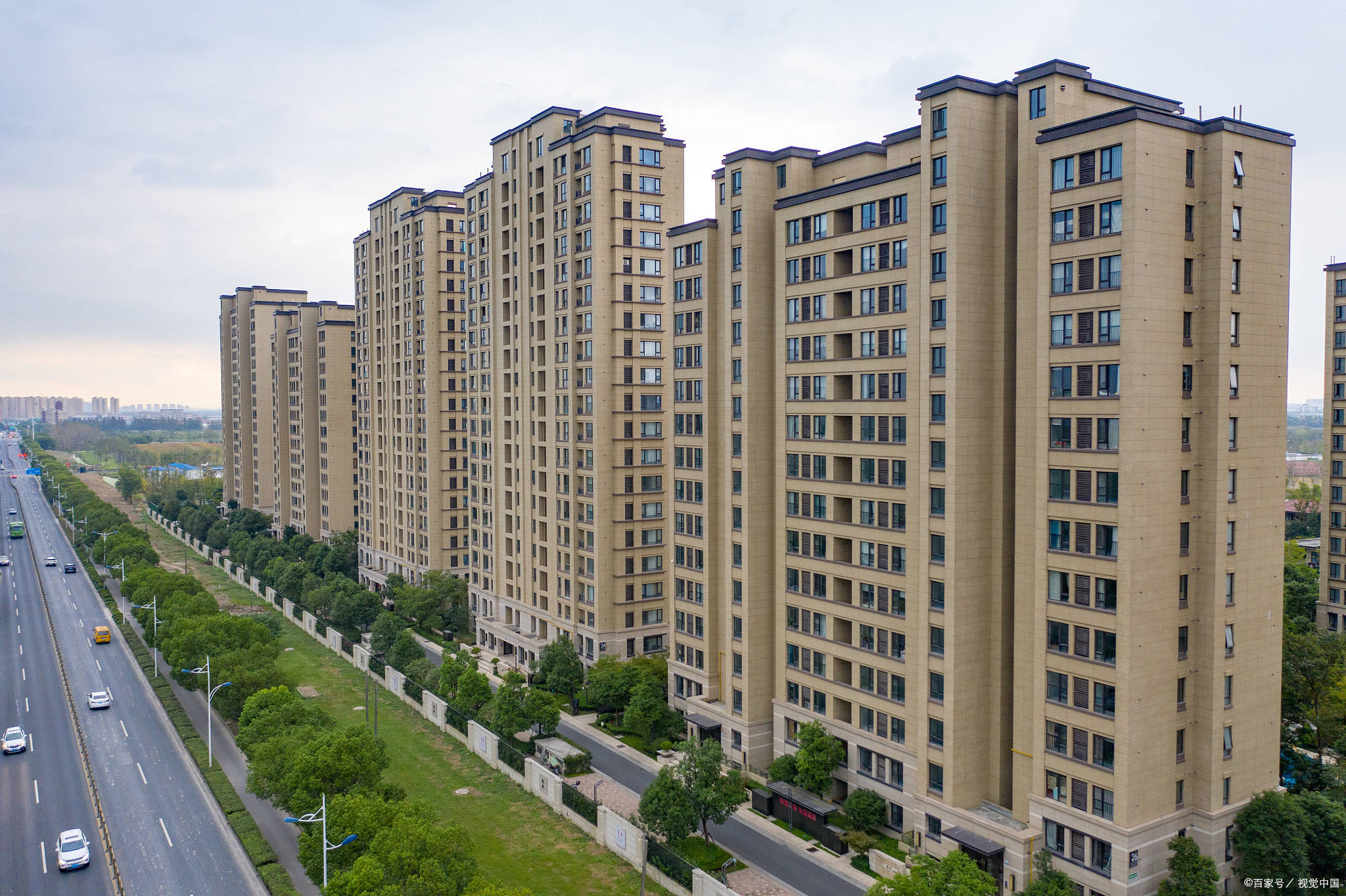
开发商预言:再过十年,二三十层高层住宅,将不得不面临3个困境
Sou Hu Cai Jing· 2025-11-01 06:14
Core Insights - The Chinese real estate market has experienced rapid growth since the housing reform in 1998, with a total of 600 million residential units reported by the Ministry of Housing and Urban-Rural Development, including rural self-built houses and properties for resettlement [1] - Despite the large number of residential units, there is a significant issue of oversupply, particularly with high-rise buildings, which were once favored for their aesthetic appeal and ability to accommodate more residents on limited land [1] Group 1 - High public area ratio is a significant drawback of high-rise residential buildings, with common public area ratios reaching 25% to 30%, leading to additional financial burdens for buyers [2] - Inconvenient access is another major pain point, as high-rise buildings often have limited elevator capacity, resulting in long wait times during peak hours and difficulties during elevator maintenance [3] Group 2 - High-rise buildings face challenges regarding demolition, as the high costs associated with relocating numerous residents make it unlikely for such projects to be initiated [5] - Concerns about building quality arise due to rushed construction practices and financial difficulties faced by developers, with the average lifespan of domestic buildings estimated at only 30 years, far below the intended 70 years [5] - Safety hazards are present in high-rise buildings, particularly during emergencies like earthquakes or fires, where elevator failures can complicate evacuation efforts [5] - Maintenance costs for high-rise buildings are expected to rise over time, placing additional financial pressure on homeowners as equipment ages and requires repair or replacement [5]