维护成本

Search documents
房产长期价值:十年后,低楼层与高楼层,谁将更胜一筹?
Sou Hu Cai Jing· 2025-12-22 04:39
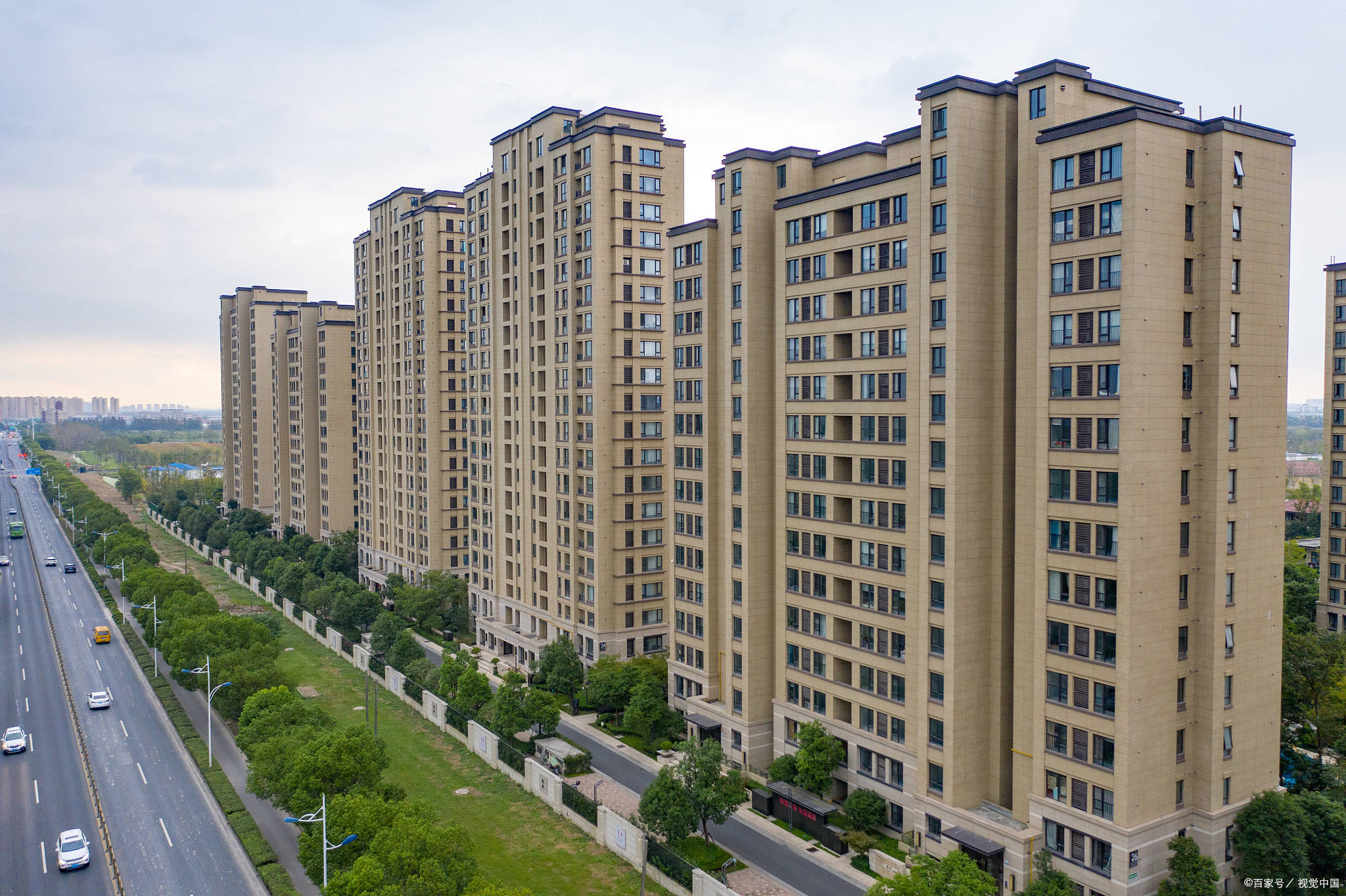
Core Insights - The article discusses the changing preferences for housing floor levels, highlighting a shift towards lower floors due to various factors such as aging population, policy changes, and maintenance costs. Policy Trends - The Chinese government is promoting the installation of elevators in old residential communities, which enhances the appeal of low floors by addressing previous accessibility issues [3] - By 2030, there are plans to install elevators in 215,000 old communities, with a completion rate of 67% as of October 2025 [3] - Subsidies for elevator installation vary by city, significantly reducing costs for homeowners [3] Demographic Trends - The aging population in China is projected to reach 29.7% by the end of 2024 and exceed 40% by 2035, increasing demand for low-floor housing [4] - Low floors (1-5) are becoming essential for elderly individuals due to lower risks and easier access to medical care [4] - Data from 2025 indicates that low-floor second-hand homes have a quicker sales cycle and a premium price, reflecting market demand for their suitability for older residents [4] Maintenance Costs - High floors incur higher maintenance costs, which will become more pronounced over the next decade [6] - Energy costs for high floors are 20%-30% higher due to the need for secondary water pressure systems [6] - Low floors have lower energy and maintenance costs, making them more economical for long-term ownership [7] Living Experience - The advantages of high floors, such as better views and light, are diminishing due to improved urban planning standards [8] - Low floors offer a more vibrant living experience, with easier access to community amenities and social interactions [8] - Future housing preferences are expected to favor comfort and convenience, making low floors more desirable [8] Long-term Value Outlook - The future value of housing will depend on demand alignment and holding costs, with low floors likely to maintain stable value due to demographic trends and lower maintenance costs [9] - High floors may face declining demand and rising costs, making them less attractive for long-term investment [9] - Premium high-floor properties in prime locations may still retain value due to scarcity, but general market trends favor low floors [9]

开发商预言:再过十年,二三十层高层住宅,将不得不面临3个困境
Sou Hu Cai Jing· 2025-11-01 06:14
Core Insights - The Chinese real estate market has experienced rapid growth since the housing reform in 1998, with a total of 600 million residential units reported by the Ministry of Housing and Urban-Rural Development, including rural self-built houses and properties for resettlement [1] - Despite the large number of residential units, there is a significant issue of oversupply, particularly with high-rise buildings, which were once favored for their aesthetic appeal and ability to accommodate more residents on limited land [1] Group 1 - High public area ratio is a significant drawback of high-rise residential buildings, with common public area ratios reaching 25% to 30%, leading to additional financial burdens for buyers [2] - Inconvenient access is another major pain point, as high-rise buildings often have limited elevator capacity, resulting in long wait times during peak hours and difficulties during elevator maintenance [3] Group 2 - High-rise buildings face challenges regarding demolition, as the high costs associated with relocating numerous residents make it unlikely for such projects to be initiated [5] - Concerns about building quality arise due to rushed construction practices and financial difficulties faced by developers, with the average lifespan of domestic buildings estimated at only 30 years, far below the intended 70 years [5] - Safety hazards are present in high-rise buildings, particularly during emergencies like earthquakes or fires, where elevator failures can complicate evacuation efforts [5] - Maintenance costs for high-rise buildings are expected to rise over time, placing additional financial pressure on homeowners as equipment ages and requires repair or replacement [5]