执法行动

Search documents
特朗普宣布缓和明尼苏达局势,白宫高官承认执法行动存“违规”之嫌
Huan Qiu Shi Bao· 2026-01-28 23:02
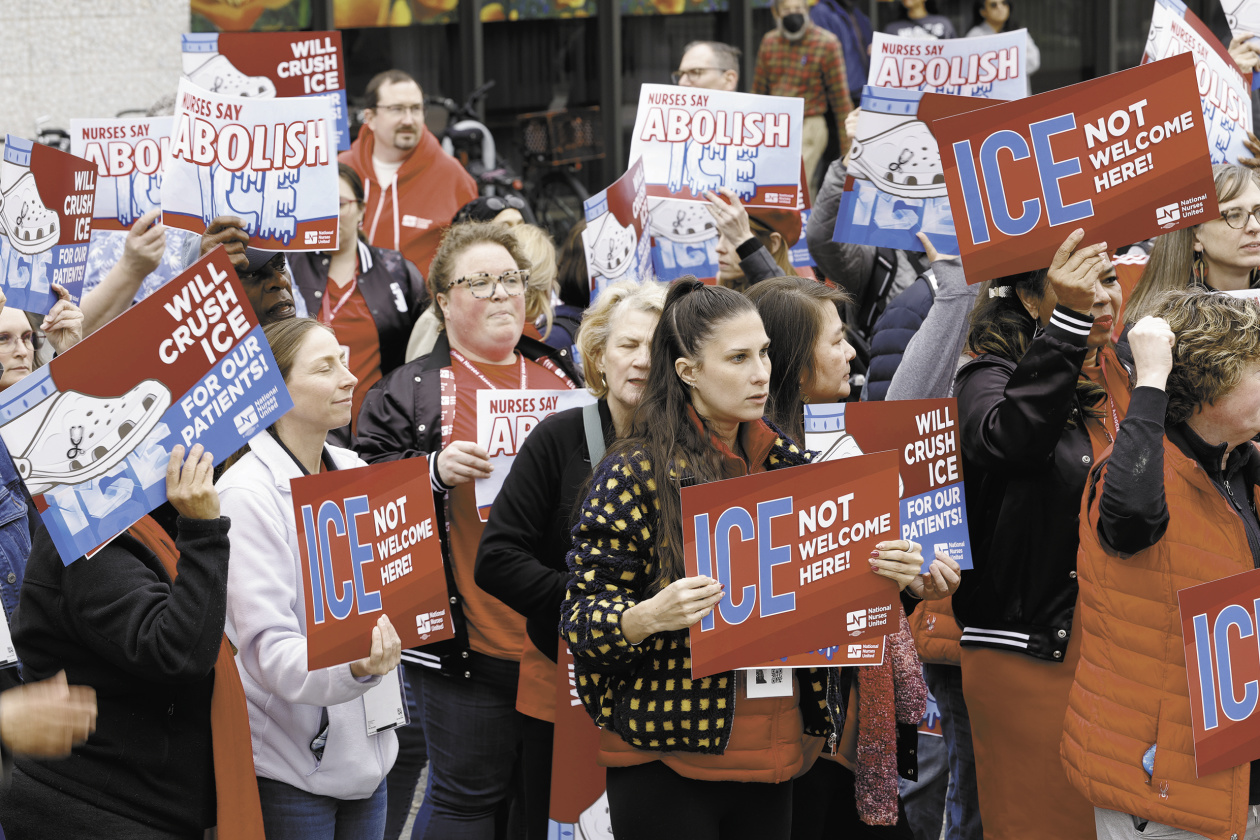
【环球时报特约记者 刘皓然】连日来,美国联邦执法人员在明尼苏达州的一系列暴行令白宫深陷舆论漩涡。为平息"民愤",美国总统特朗普一改强硬姿 态,白宫高官也首次承认反移民执法行动存在"违规"之嫌。不仅如此,联邦政府内部为撇清责任正在"连环甩锅"。美国媒体透露,特朗普本周已开始为中期 选举造势,而民怨沸腾的现状显然不利于之后的"拉票"之旅。最新民调显示,特朗普政府引以为傲的移民政策的支持率已降至历史新低。 CNN称,普雷蒂之死对于美国政府无疑是一场潜在的危机。事发后不少共和党议员与政治盟友均对特朗普政府表达了反对,警告该事件可能会破坏白宫的 移民政策,并对党派造成难以修复的伤害。美国Axios新闻网透露,特朗普的幕僚团队正在"相互甩锅"。27日,米勒将责任抛给了同僚与下属,他一边指责 执法人员涉嫌违规,一边又暗示自己的错误言论是被美国国土安全部部长诺姆所误导,因为是诺姆告诉他普雷蒂"持有武器"。据英国《卫报》透露,诺姆目 前也面临政界和媒体的多方施压,国会参议院民主党领袖舒默痛批她"满嘴谎言",称其"必须被解雇"。 特朗普已经为中期选举开启了"拉票"之旅。然而路透社与益普索公布的最新民调数据显示,特朗普移民政策的支 ...

美国追截第三艘“与委相关”油轮,美议员:美国士兵的任务不是做“世界警察”
Huan Qiu Shi Bao· 2025-12-22 22:34
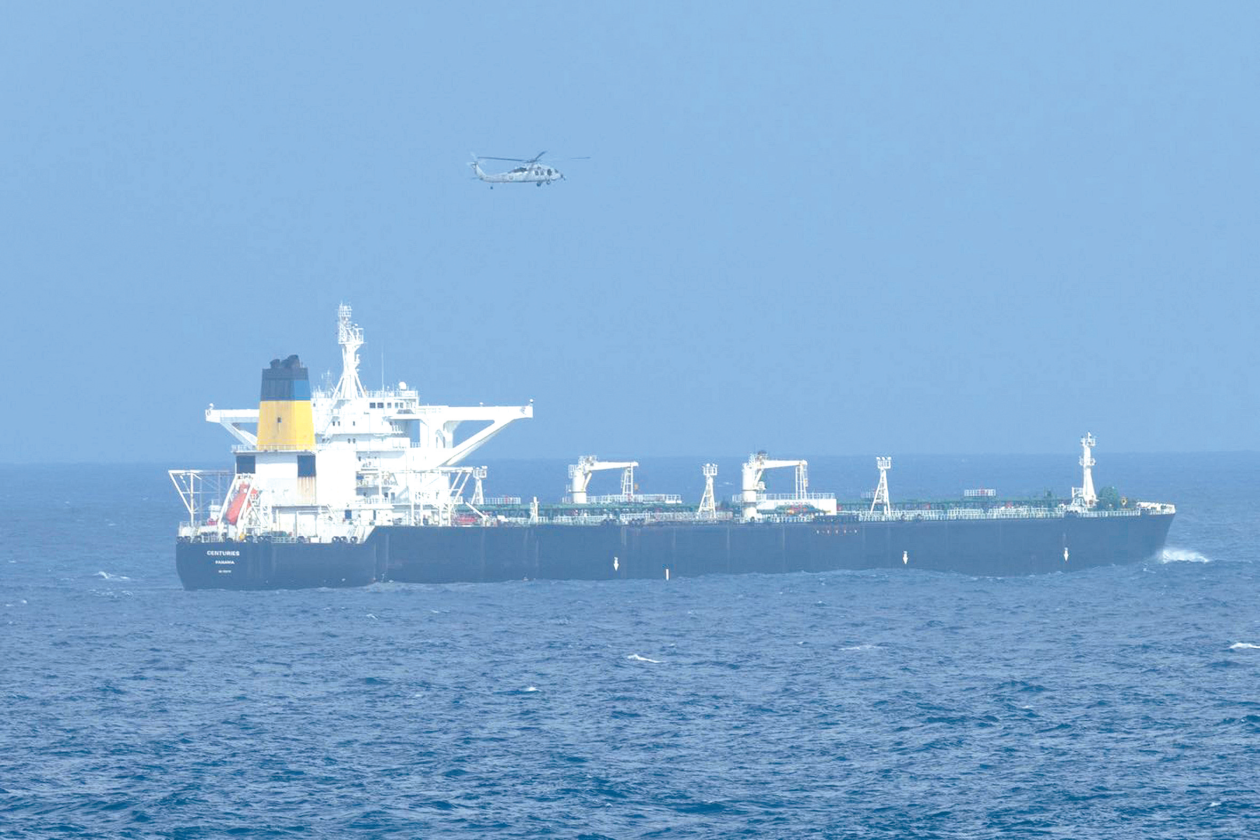
Core Viewpoint - The recent actions by the U.S. Coast Guard to intercept oil tankers near Venezuela signify a significant escalation in pressure against President Maduro's government, with multiple vessels being targeted in a short period [1][3][4]. Group 1: U.S. Actions - The U.S. Coast Guard has intercepted three oil tankers in less than two weeks, including the "Bella 1" and "Century" tankers, as part of a broader strategy to cut off Venezuela's oil exports [1][4]. - The "Bella 1" tanker was intercepted while it was en route to load oil but had not yet done so, and it was reported to be flying a false flag [3][4]. - The "Century" tanker was carrying oil from a sanctioned Venezuelan oil company, although it was not on the U.S. sanctions list at the time of interception [4]. Group 2: Venezuelan Response - President Maduro condemned the U.S. actions as "piratical plundering," indicating a strong opposition to the U.S. interventions [1][8]. - Maduro has instructed the Venezuelan Navy to escort certain oil tankers, which raises the potential for armed conflict at sea [3][8]. - Venezuelan officials claim that the country is prepared to counteract what they describe as a comprehensive aggression from the U.S. [8]. Group 3: International Reactions - Colombian President Petro opposed the U.S. maritime blockade, suggesting a multilateral agreement to combat drug trafficking instead of targeting Venezuela [9]. - The Cuban Foreign Minister criticized the U.S. for violating international law and suggested that the true aim of the U.S. actions is to seize Venezuela's natural resources [9].
加关税、抓移民、派士兵 美政府“三板斧”砍伤华盛顿餐饮业
Yang Shi Xin Wen· 2025-08-20 19:31
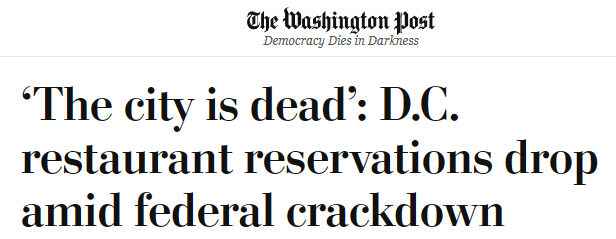
Group 1 - Restaurant reservations in Washington D.C. have seen a significant decline, with a peak drop of 31% year-on-year since the deployment of the National Guard by President Trump [1][4][8] - Local restaurant owners express concerns over the impact of government enforcement actions on their revenue, citing a challenging summer for the dining industry [4][8] - The enforcement measures have led to a decrease in foot traffic, with one restaurant owner stating that the presence of law enforcement has made customers and staff feel uneasy [8][10] Group 2 - The restaurant industry is facing compounded challenges, including rising ingredient costs due to tariffs, increased labor costs from immigration policies, and inflation affecting rent prices [4][6] - The price of beef has surged, with boxed beef prices increasing by 21% in the first half of the year, further straining consumer spending on dining [6][10] - The enforcement actions have also directly impacted delivery services, with reports of delivery workers being apprehended, raising concerns among minority workers in the food delivery sector [10][12]