
中期选举

Search documents
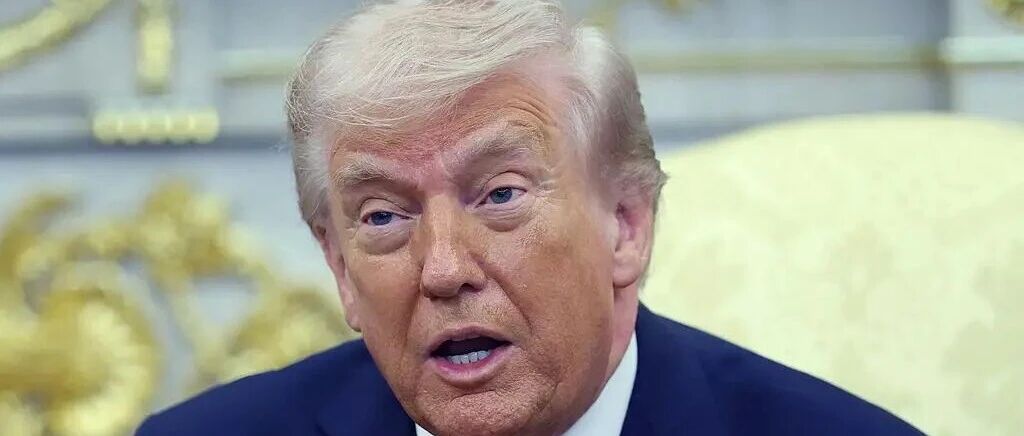
特朗普被曝希望快速结束战争
财联社· 2026-03-26 04:59
Core Viewpoint - The article discusses President Trump's desire to quickly end the war with Iran, indicating that he believes the conflict is nearing its conclusion and aims to wrap it up within a few weeks [1]. Summary by Relevant Sections - President Trump's private communication with advisors reveals his intention to conclude the war, which has lasted nearly a month, adhering to his previously stated timeline of 4 to 6 weeks for the conflict [1]. - The article notes that Trump feels the war is interfering with his ability to advance other priorities, suggesting a shift in focus towards upcoming challenges [1]. - Despite Trump's desire to end the war, the article highlights that there are no easy options for achieving peace, as negotiations are still in the early stages [1]. - The discussion around the war is intertwined with other political issues, including the upcoming midterm elections and legislative efforts regarding voter eligibility [1].

特朗普是在摸索停战出口还是在争取时间?
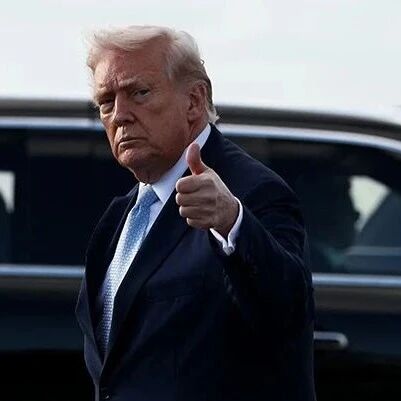
日经中文网· 2026-03-25 06:18
Core Viewpoint - The article discusses the evolving negotiations between the U.S. and Iran regarding a ceasefire, highlighting President Trump's shift from aggressive posturing to proposing dialogue, while also noting Iran's denial of such negotiations [2][5]. Group 1: Negotiation Dynamics - Trump announced that U.S. and Iranian governments will continue discussions for a ceasefire within the week, indicating a significant change in approach from previous threats of military action [2][5]. - Reports suggest that a face-to-face meeting will occur in Islamabad, Pakistan, with a five-day grace period before any military action is taken against Iran's power plants [5][9]. - Iranian officials, including Parliament Speaker Mohammad Baqer Qalibaf, are seen as key figures in the negotiations, although there are doubts about the coherence of Iran's leadership and their ability to reach a consensus [8][9]. Group 2: Regional and Domestic Implications - The backdrop of these negotiations includes rising domestic prices in the U.S., which could impact Trump's political standing ahead of the midterm elections [7]. - Iran's ongoing attacks on Israel during the negotiation period reflect the complexities and challenges of achieving a ceasefire [4]. - The potential for U.S. military presence in the region is indicated, with thousands of U.S. Marines expected to arrive by the end of the five-day period, suggesting preparations for possible ground operations [9].
中美关系专家解读近期美国内外政策
2026-03-20 02:27
Summary of Key Points from Conference Call Records Industry or Company Involved - The records primarily discuss the geopolitical implications of the U.S.-Iran conflict and its effects on U.S. domestic politics, particularly in relation to the upcoming 2026 midterm elections. The focus is on U.S. foreign policy, energy markets, and international relations, particularly with China. Core Points and Arguments 1. **U.S.-Iran Conflict Dynamics** - The U.S. underestimated Iran's resilience and asymmetric retaliation capabilities, leading to a stalemate in the conflict. This has resulted in significant disruptions in the Strait of Hormuz, affecting 20% of global oil supply [1][2][3]. 2. **Oil Price Surge** - Oil prices have surpassed $100 per barrel, with potential risks of rising to $150 or even $200 if the conflict continues, which could severely impact global GDP [4][5]. 3. **U.S. Domestic Political Implications** - High inflation and rising oil prices are detrimental to the Republican Party's prospects in the 2026 midterm elections, with polls indicating a strong chance for the Democratic Party to gain control of both houses of Congress [6][7][8]. 4. **U.S.-China Relations** - The U.S. is seeking to stabilize energy markets and increase agricultural exports to China, with plans for a significant trade deal. However, the negotiations face challenges due to China's strong bargaining position [9][10]. 5. **Potential Scenarios for U.S. Actions** - Three scenarios are outlined regarding U.S. actions in the conflict: escalation through ground troops (10% probability), a negotiated settlement (50% probability), and a prolonged stalemate (30-50% probability) [17]. 6. **Impact of International Relations** - The conflict has broader implications for U.S. alliances, with allies like South Korea and Japan expressing concerns over U.S. military reliability. The situation is further complicated by Israel's aggressive stance towards Iran [6][7][8]. 7. **Future of U.S. Military Engagement** - The likelihood of large-scale ground troop deployment is low, with the U.S. preferring airstrikes and special operations. The current military strategy may lead to a prolonged conflict without a clear resolution [13][16]. 8. **Iran's Economic Resilience** - Iran's economy has shown resilience despite sanctions, and its leadership is prepared for a prolonged conflict, which could complicate U.S. efforts to achieve a quick resolution [11][12]. Other Important but Possibly Overlooked Content 1. **Public Sentiment and Polling Data** - Recent polls show a significant shift in independent voters towards the Democratic Party, with a notable decline in support for the Trump administration's handling of the economy and the Iran conflict [8]. 2. **Geopolitical Ramifications** - The U.S. may consider actions in Cuba as a means to regain political capital if the situation in Iran deteriorates, reflecting a strategic pivot in U.S. foreign policy [15][18]. 3. **Challenges in Negotiation** - Any potential negotiations with Iran are likely to be complicated by Iran's demands for guarantees against future attacks, which the U.S. may find difficult to meet [18]. This summary encapsulates the critical insights from the conference call records, highlighting the intricate interplay between geopolitical events, domestic political ramifications, and international relations.
地缘政治追踪系列之二:对特朗普TACO的触发与约束因素的几点观察
KAIYUAN SECURITIES· 2026-03-12 12:43
Group 1: War Context and Economic Impact - The military strikes by the US and Israel against Iran have lasted nearly two weeks, with significant impacts on the Strait of Hormuz, which accounts for over 25% of global oil shipping and about 20% of natural gas[1] - International oil prices have stabilized above $80 per barrel, which could lead to inflationary pressures in the US as the midterm elections approach[1] - Public support for the war in the US is low, with only 25% of Americans in favor, increasing pressure on Trump to consider a ceasefire[1][9] Group 2: Factors Influencing Ceasefire Decisions - Economic factors, including rising oil prices and increased borrowing costs, are likely to drive Trump towards a ceasefire as they affect voters' lives[1][5] - If the 30-year US Treasury yield exceeds 5%, the probability of Trump opting for a ceasefire will significantly increase[1] - Iran's economic instability, with 90% of its oil exports and 70% of non-oil trade passing through the Strait of Hormuz, may force its government to seek a resolution to the conflict due to domestic pressures[5] Group 3: Constraints on Ceasefire - Despite potential US intentions to cease hostilities, Iran is likely to continue its military actions due to its new leadership and the need to maintain internal cohesion after significant losses[3] - Israel's government and public support for military action remains strong, with 82% of Israelis backing the strikes, making a quick ceasefire unlikely[4] - The ongoing blockade of the Strait of Hormuz by Iran is expected to continue exerting economic pressure on the US, complicating any potential withdrawal[3]
特朗普“口头干预”油价的两难境地
日经中文网· 2026-03-11 02:51
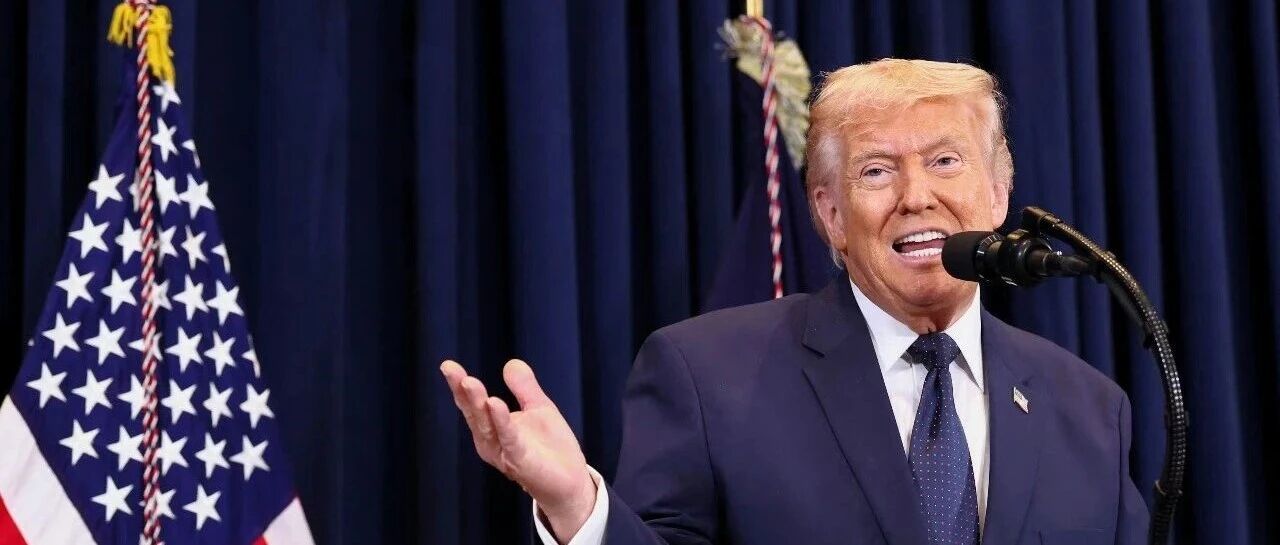
Core Viewpoint - The article discusses President Trump's verbal intervention in rising oil prices due to military actions against Iran, indicating a desire to stabilize the oil market amid concerns over inflation and the upcoming midterm elections [1][6]. Group 1: Military Actions and Oil Prices - On March 9, Trump stated that the military conflict with Iran would "end very soon," contradicting earlier claims that it would last at least 4 to 5 weeks, reflecting uncertainty in his messaging [1][3]. - The U.S. is considering easing sanctions on Russia to mitigate rising oil prices caused by the conflict, highlighting the administration's struggle to balance military actions and economic stability [1][7]. - Trump emphasized the deployment of naval forces to secure the Strait of Hormuz, asserting that any Iranian obstruction of oil flow would result in severe retaliation [6][7]. Group 2: Political Implications - The rising gasoline prices pose a risk to the Republican Party ahead of the November midterm elections, as sustained high prices could lead to political backlash [6]. - Trump’s previous criticisms of the Biden administration regarding rising gas prices due to Russia's invasion of Ukraine suggest a concern about repeating past mistakes if the conflict with Iran leads to similar outcomes [6]. - The administration's approach to sanctions and military strategy is influenced by the need to maintain political support and avoid economic fallout from high oil prices [6][7]. Group 3: International Relations and Energy Market - Trump communicated with Russian President Putin regarding the U.S.-Iran conflict, indicating a potential for diplomatic solutions and energy market cooperation [7]. - The U.S. Treasury's recent allowance for India to purchase Russian oil marks a shift in policy aimed at stabilizing global oil supply amid rising prices [7]. - Iran's military response and refusal to allow oil exports from the region further complicate the situation, as they maintain a hardline stance against U.S. actions [8][10].
Congressional Democrats demand reversal of Russian oil sales into India as energy prices soar
CNBC· 2026-03-09 09:00
Core Viewpoint - Congressional Democrats are urging the Trump administration to reverse a sanctions waiver that allows Indian refiners to purchase Russian oil, citing concerns over the impact of the Iran war on global energy markets [1][2]. Group 1: Sanctions Waiver and Its Implications - The Treasury Department issued a temporary 30-day sanctions waiver for India to buy Russian oil to mitigate rising oil prices due to the Iran war and disruptions at the Strait of Hormuz [2][4]. - Lawmakers argue that this waiver benefits Russia materially while it assists Iran in targeting U.S. military assets in the region [4][5]. - The waiver is seen as a failure of the administration to plan for alternative energy sources for allies, allowing adversaries to profit from previously sanctioned oil reserves [5]. Group 2: Impact on Oil Prices and Economic Concerns - Oil prices have surged since the onset of the war, with U.S. crude oil exceeding $108 per barrel and Brent nearing $110 per barrel, leading to a spike in U.S. gasoline prices to $3.44 per gallon [6]. - The rising oil prices are causing economic anxiety among voters ahead of the November midterm elections, with concerns about affordability impacting public perception of President Trump's economic management [3][7]. - The ongoing conflict is expected to exacerbate the energy cost crisis, further burdening American consumers [8].
高盛周末宏观电话会-宏观股市观点-AI采用信号-油价地缘政治溢价-新兴市场韧性及全球其他地区跑赢大市
Goldman Sachs· 2026-03-01 17:22
Investment Rating - The report does not explicitly provide an investment rating for the industry Core Insights - The report highlights the rapid increase in AI adoption among consumers, significantly driving demand for computational power, while enterprise adoption remains slow due to data and system integration challenges [7][8] - The geopolitical landscape, particularly regarding tariffs and trade policies, continues to create uncertainty, with potential impacts on economic growth and market sentiment [1][2][3] - There is a notable shift of capital from Western markets to Eastern markets, with investors favoring companies with tangible competitive advantages [3][11] - Nvidia's recent earnings report exceeded expectations, but the stock did not react positively due to investor concerns about future capital expenditures and the sustainability of spending from non-traditional clients [9][10] Summary by Sections Tariff and Trade Policy - The Trump administration's tariff policies are characterized by frequent adjustments, with a potential implementation of a 15% tariff that may vary by country and product [1][2] - Refunds related to tariffs are progressing, with an estimated total of $180 billion, but the speed of disbursement remains uncertain [2][4] - Legal challenges to new tariffs are anticipated, particularly regarding the applicability of the "Section 122" clause, which may lead to a restructured trade policy framework [4][5] AI Adoption Trends - Consumer AI adoption is accelerating, with significant increases in user engagement and query volume, while enterprise adoption lags behind due to integration issues [7][8] - The structure of computational demand is shifting, with inference now accounting for nearly 30% of computational needs, compared to a previous focus on model training [7] Market Dynamics - The U.S. stock market faces valuation pressures, particularly for asset-light companies, while non-U.S. markets are outperforming as capital flows towards firms with solid fundamentals [3][11] - The report notes a regime shift in capital flows, with increasing investments in non-U.S. equities, driven by diversification needs and a reevaluation of asset allocations [20][21] Nvidia's Performance - Nvidia's earnings report showed strong revenue growth, but the stock's lack of upward movement post-report is attributed to investor concerns about future capital expenditures and competitive positioning [9][10]

继续跟踪美伊谈判进展
Tian Fu Qi Huo· 2026-02-27 13:41
1. Report Industry Investment Rating No relevant content provided. 2. Core View of the Report - Crude oil shows a divergence between geopolitics and fundamentals, with short - term logic focused on the Iran issue. The short - term geopolitical sentiment drives up crude oil prices. The short - term trend of the crude oil market depends on the resolution of the Iran issue, and it is advisable to wait for a cooling - off period to look for short - selling opportunities [2][4]. - For the chemical industry, most oil - chemical products follow the cost - driven rise of crude oil. It is recommended to use a long - short hedging strategy, going long on products with strong fundamentals (such as PX, PTA, EB) and short on those with weak fundamentals (PP, EG, plastics). For soda ash and PVC, which have a low correlation with oil, a short - selling strategy can be adopted [2]. 3. Summary by Directory (1) Crude Oil - Logic: The short - term logic is centered on the Iran issue. Geopolitical sentiment pushes up prices, but the probability of a US strike on Iran before the end of February is low. The short - term trend depends on the resolution of the Iran issue, and it is advisable to wait for a cooling - off period to look for short - selling opportunities [2][4]. - Technical Analysis: The daily - level shows a medium - term downward structure, and the hourly - level shows a short - term upward structure. The intraday trading is volatile, with short - term support at 471. It is recommended to wait and hold small - position 04P440 options if available [4]. (2) Styrene - Logic: Domestic production is increasing under high profits, and supply may return more than expected. It is affected by the cost - driven increase from the geopolitical sentiment on butadiene. Exports are expected to increase, providing support on the demand side [6][9]. - Technical Analysis: The hourly - level shows a short - term downward structure. The intraday trading is volatile, with short - term pressure at 7700. It is recommended to wait and observe [9]. (3) Pure Benzene - Logic: Port inventory is high, domestic production is recovering rapidly, and downstream production is performing well. It is affected by the cost - driven increase from the geopolitical sentiment on butadiene. It is recommended to use a hedging strategy of going long on EB and short on BZ [10]. - Technical Analysis: The hourly - level shows a short - term downward structure. The intraday trading is volatile, with short - term pressure at 6295. It is recommended to wait and observe, and set a stop - loss at 6295 if entered the market the day before [12]. (4) Rubber - Logic: In the short term, there is no significant supply - demand contradiction. Due to the seasonal factors and the cost - driven increase from crude oil, natural rubber shows a passive upward trend. However, the medium - term upward logic is not strong, and it is recommended to hold a short - term long position or a long - matching position, but a medium - term short position [14][16]. - Technical Analysis: The daily - level shows a medium - term upward structure, and the hourly - level shows an upward structure. The intraday trading is volatile, with short - term support at 16250. It is recommended to wait and observe [16]. (5) Synthetic Rubber - Logic: The profit of downstream tires is poor, and the fundamental pressure is increasing. It is affected by the cost - driven increase from the geopolitical sentiment on butadiene, showing a divergence between fundamentals and geopolitics [17][20]. - Technical Analysis: The daily - level shows a medium - term upward structure, and the hourly - level shows a short - term downward structure. The price has fallen close to a short - term low. The short - term pressure is at 13220. It is recommended to wait and observe if not entered the market, and hold half of the position if entered the day before, with a stop - loss at 13350 [20]. (6) PX - Logic: The fundamentals changed little during the holiday. Supply is stable, and downstream demand is weak before the Lantern Festival. It is affected by the cost - driven increase from the Iran issue [22][24]. - Technical Analysis: The daily - level shows a medium - term upward structure, and the hourly - level shows a short - term oscillating structure. The intraday trading is within the 7050 - 7500 range. It is recommended to wait and observe [24]. (7) PTA - Logic: The fundamentals changed little during the holiday. Supply is stable, and downstream demand is weak before the Lantern Festival. It is affected by the cost - driven increase from the Iran issue [25]. - Technical Analysis: The daily - level shows a medium - term upward structure, and the hourly - level shows a short - term upward structure. The intraday trading is volatile, with short - term support at 5160. It is recommended to wait and observe [25]. (8) PP - Logic: Downstream terminals have not fully recovered. There is high supply pressure, and the cost - driven factor from crude oil is the short - term trading focus. Once the geopolitical situation cools down, it will face real - world pressure [28]. - Technical Analysis: The hourly - level short - term downward structure is being tested. The price has fallen with reduced positions. The short - term pressure is at 6730 - 6770. It is recommended to wait and observe if not entered the market, and hold half of the position if entered the day before, with a stop - loss at 6770 [28]. (9) Methanol - Logic: It shows a divergence between fundamentals and geopolitics. The restart of Iranian methanol plants in spring may bring high import pressure, but the geopolitical sentiment during the holiday adds uncertainty. The upward space depends on the resolution of the Iran issue [32]. - Technical Analysis: The daily - level shows a medium - term downward structure, and the short - term downward structure is being tested. The price has fallen with increased positions. The short - term pressure is at 2270. It is recommended to wait and observe if not entered the market, and hold half of the position if entered the day before, with a stop - loss at 2265 [32]. (10) Ethylene Glycol - Logic: Supply is at a high level, downstream production has decreased, and inventory has increased significantly during the Spring Festival. The high - inventory and high - premium pressure of the 05 contract is difficult to change, and the price is more likely to fall [33]. - Technical Analysis: The daily - level shows a medium - term downward structure, and the hourly - level shows a short - term downward structure. The intraday trading is volatile, with short - term pressure at 3780 - 3800. It is recommended to wait and observe, and hold half of the position if entered the day before, with a stop - loss at 3800 [35]. (11) Plastic - Logic: Downstream terminals have not fully recovered. There is high supply pressure, and the cost - driven factor from crude oil is the short - term trading focus. Once the geopolitical situation cools down, it will face real - world pressure [36]. - Technical Analysis: The daily - level shows a medium - term downward structure, and the hourly - level shows a downward structure. The price has fallen with increased positions. The short - term pressure is at 6830 - 6860. It is recommended to wait and observe if not entered the market, and hold half of the position if entered the day before, with a stop - loss at 6860 [36]. (12) Soda Ash - Logic: It is in a situation of oversupply. New production capacity has been released during the Spring Festival, and demand is weak. The 05 contract is likely to see a downward correction of the premium [38]. - Technical Analysis: The hourly - level shows a short - term downward structure. The intraday trading is volatile, with short - term pressure at 1180 - 1190. It is recommended to hold short positions and set a take - profit at 1190 [38]. (13) PVC - Logic: It has a low correlation with oil and is in a situation of oversupply. Inventory has increased significantly during the Spring Festival, and the real - estate market is weak. The 05 contract is likely to see a downward correction of the premium [40]. - Technical Analysis: The daily - level shows a medium - term upward structure, and the hourly - level shows a short - term downward structure. The price has fallen with increased positions. The short - term pressure is at 5010. It is recommended to hold short positions, take half - profit actively, and set a stop - loss at 5010 for the remaining half [40].
特朗普发文昭告全球,包括中国、俄罗斯在内,这次一个都跑不掉?
Sou Hu Cai Jing· 2026-02-27 12:31
Core Viewpoint - Trump's new tariff policy, deemed illegal, has sparked global backlash, yet he remains undeterred and has decided to impose a 15% tariff on all countries, raising questions about his motivations and the implications for international relations [1][2][4]. Group 1: Tariff Policy Details - Trump's previous tariffs on China and other countries exceeded $175 billion, but a Supreme Court ruling declared them illegal, prompting him to find new justification for a global tariff [2][4]. - The legal basis for the new tariff policy is weak, as it relies on a law applicable only in cases of severe international balance of payments deficits, which the U.S. does not currently face [4]. - The new tariff policy is set to last only 150 days, limiting its effectiveness and suggesting it may be more of a political maneuver than a sustainable economic strategy [4][5]. Group 2: Domestic and International Reactions - The policy has faced strong opposition domestically, with Democratic governors demanding the return of illegally collected tariffs and even some Republican dissent regarding the indiscriminate nature of the tariffs [7]. - Internationally, allies like the UK and Australia, who previously negotiated favorable tariff rates, are now among the primary victims of this new policy, leading to widespread condemnation [7][8]. Group 3: Implications for China and Global Trade - Despite the aggressive stance, the new tariffs are unlikely to impose additional losses on China, as its baseline tariffs on U.S. exports are already at 25% [8]. - The policy may inadvertently enhance China's negotiating position in U.S.-China trade talks, as it limits Trump's ability to leverage tariffs easily [8][17]. - The unilateral nature of the tariffs is damaging to the U.S.'s international image, undermining its relationships with allies and raising concerns about adherence to international trade rules [9][17]. Group 4: Trump's Visit to China - Trump's planned visit to China amid the tariff controversy raises questions about his intentions to strengthen bilateral cooperation and address the ongoing trade tensions [10][12]. - The visit is seen as an attempt to secure economic concessions from China to alleviate domestic fiscal pressures and bolster his political standing ahead of upcoming midterm elections [13][15]. - China appears to be in a position of strength, maintaining a firm stance on core issues while showing no urgency to concede to external pressures [15][17].
关注今日美伊日内瓦谈判结果-20260226
Tian Fu Qi Huo· 2026-02-26 11:33
1. Report's industry investment rating - Not provided in the given content 2. Core view of the report - The report focuses on the Geneva negotiation between the US and Iran, with a particular emphasis on the impact of the geopolitical situation on the oil and chemical industries. It analyzes the current market situation, price trends, and investment strategies for various products, highlighting the importance of the US - Iran negotiation results in determining market trends [2][3] 3. Summary according to relevant directories (1) Crude oil - **Logic**: There is a divergence between geopolitical factors and fundamentals. Short - term logic is centered on the Iran issue. Geopolitical sentiment drives up prices, but the probability of a US strike on Iran before the end of February is low. The market has priced in geopolitical premiums, and the short - term trend depends on the resolution of the Iran issue. Key lies in whether Iran can accept the US demands. It is advisable to wait for the situation to cool down and look for short - selling opportunities [2][5] - **Technical analysis**: The daily - level shows a medium - term downward structure, and the hourly - level shows a short - term upward structure. There was an increase in positions and a decline today. The short - term support is at 484 (15 - minute). The strategy is to wait and see in the hourly cycle, and hold the 04P440 options with a small position if available [5] (2) Styrene - **Logic**: Domestic production is increasing due to high profits, and supply may return more than expected. The cost is driven up by the geopolitical sentiment transmitted from crude oil to butadiene. There is an increase in exports, providing support for demand. Attention should be paid to the development of the Iran issue [7][10] - **Technical analysis**: The hourly - level shows a short - term downward structure, with intraday fluctuations today. The short - term pressure is at 7850. If there were short positions yesterday, exit at break - even and wait and see [10] (3) Pure benzene - **Logic**: Port inventory is high, domestic production rate is rising, and downstream production is fair. The cost is driven up by the geopolitical sentiment transmitted from crude oil to butadiene. It is likely that imports will increase this year due to the reduction of overseas styrene plants. A hedging strategy of going long on EB and short on BZ can be considered [11] - **Technical analysis**: The hourly - level shows a short - term downward structure, with an increase in positions and a decline today. The short - term pressure is at 6295. If not participated, wait and see; if entered yesterday, set the stop - loss at 6295 [13] (4) Rubber - **Logic**: There is no significant short - term supply - demand contradiction. Due to the seasonal factors of the Southeast Asian rubber - cutting season and domestic inventory reduction, the price of natural rubber is driven up by the substitution effect of synthetic rubber. However, the medium - term upward logic is not strong. It is advisable to hold a short - term long or long - allocation view, but the medium - term view is bearish [15][17] - **Technical analysis**: The daily - level shows a medium - term upward structure, and the hourly - level shows an upward structure. There was a decrease in positions and a decline today. The short - term support is at 16250. Wait and see in the hourly cycle [17] (5) Synthetic rubber - **Logic**: The downstream tire profit is poor, and the fundamental pressure is expected to increase. The cost is driven up by the geopolitical sentiment transmitted from crude oil to butadiene, showing a divergence between fundamentals and geopolitics. It has a relatively high correlation with crude oil in the short term [18][21] - **Technical analysis**: The daily - level shows a medium - term upward structure, and the hourly - level shows a short - term downward structure. There was a decrease in positions and a long - negative line today. The short - term pressure is at 13220 (04 contract). If not participated, wait and see; if entered yesterday, close half of the positions for profit - taking, and set the stop - loss at 13350 for the remaining positions [21] (6) PX - **Logic**: The fundamentals changed little during the holiday. Supply is stable, and the polyester terminal production is at a low level. The slow resumption of work before the Lantern Festival suppresses short - term demand. The cost is driven up by the Iran issue [22][25] - **Technical analysis**: The daily - level shows a medium - term upward structure, and the hourly - level shows a short - term oscillating structure. There was an increase in positions and a decline today, still within the wide range of 7050 - 7500. Wait and see for single - side trading in the hourly level [25] (7) PTA - **Logic**: Similar to PX, the fundamentals changed little during the holiday. Supply is stable, and the terminal production is at a low level. The slow resumption of work before the Lantern Festival suppresses short - term demand. The cost is driven up by the Iran issue [26] - **Technical analysis**: The daily - level shows a medium - term upward structure, and the hourly - level shows a short - term upward structure. There was an increase in positions and a decline today. The short - term support is at 5160. Wait and see for single - side trading in the hourly cycle [26] (8) PP - **Logic**: The downstream terminals have not fully recovered. The olefin has high supply pressure. The cost disturbance from crude oil is the short - term trading focus. Once the geopolitical situation cools down, olefins will face real - world pressure [29] - **Technical analysis**: The hourly - level short - term downward structure is being tested. There was an increase in positions and a decline today. The short - term pressure is at 6730 - 6770. If not participated, wait and see; if entered yesterday, close half of the positions for profit - taking, and set the stop - loss at 6770 for the remaining positions [29] (9) Methanol - **Logic**: Similar to crude oil, there is a divergence between fundamentals and geopolitics. After the restart of Iranian methanol plants in spring, there is an expected high import pressure. Geopolitical sentiment and seasonal inventory reduction drive up the price, and the upward space depends on the resolution of the Iran issue [32] - **Technical analysis**: The daily - level shows a medium - term downward structure, and the short - term downward structure is being tested. There was an increase in positions and a long - negative line today. The short - term pressure is at 2285. If not participated, wait and see; if entered yesterday, close half of the positions for profit - taking, and set the stop - loss at 2265 for the remaining positions [32] (10) Ethylene glycol - **Logic**: Supply is at a high level, and downstream production has decreased. There was a significant inventory build - up during the Spring Festival. The slow resumption of work before the Lantern Festival suppresses short - term demand. The 05 contract is under high inventory and high premium pressure, and the probability of a downward trend is greater after the delivery regression logic starts [35] - **Technical analysis**: The daily - level shows a medium - term downward structure, and the hourly - level shows a short - term downward structure. There were intraday fluctuations today. The short - term pressure is at 3780 - 3800. There is a technical signal for short - selling in the hourly cycle, with a stop - loss at 3800, but be cautious due to geopolitical uncertainties [35] (11) Plastic - **Logic**: Similar to PP, the downstream terminals have not fully recovered. The olefin has high supply pressure. The cost disturbance from crude oil is the short - term trading focus. Once the geopolitical situation cools down, olefins will face real - world pressure [38] - **Technical analysis**: The daily - level shows a medium - term downward structure, and the hourly - level shows a downward structure. There was an increase in positions and a decline today. The short - term pressure is at 6830 - 6860. If not participated, wait and see; if entered yesterday, close half of the positions for profit - taking, and set the stop - loss at 6860 for the remaining positions [38] (12) Soda ash - **Logic**: Soda ash is in a situation of oversupply. New production capacity is being released, and demand is weak. The 05 contract is likely to see a downward correction of the premium. After the short - term positive news is exhausted, maintain a bearish view [39][41] - **Technical analysis**: The hourly - level shows a short - term downward structure, with intraday fluctuations today. The short - term pressure is in the range of 1180 - 1190. Hold short positions and set the profit - taking at 1190 [41] (13) PVC - **Logic**: PVC is in a situation of oversupply with high inventory. The export - related positive factors have ended, and the market will return to the medium - term oversupply situation. The 05 contract is likely to see a downward correction of the premium. After the short - term positive news is exhausted, maintain a bearish view [42][44] - **Technical analysis**: The daily - level shows a medium - term upward structure, and the hourly - level shows a short - term downward structure. There was an increase in positions and a long - negative line today. The short - term pressure is at 5010. Hold short positions and set the stop - loss at 5010 [44]