
批判性思维能力

Search documents
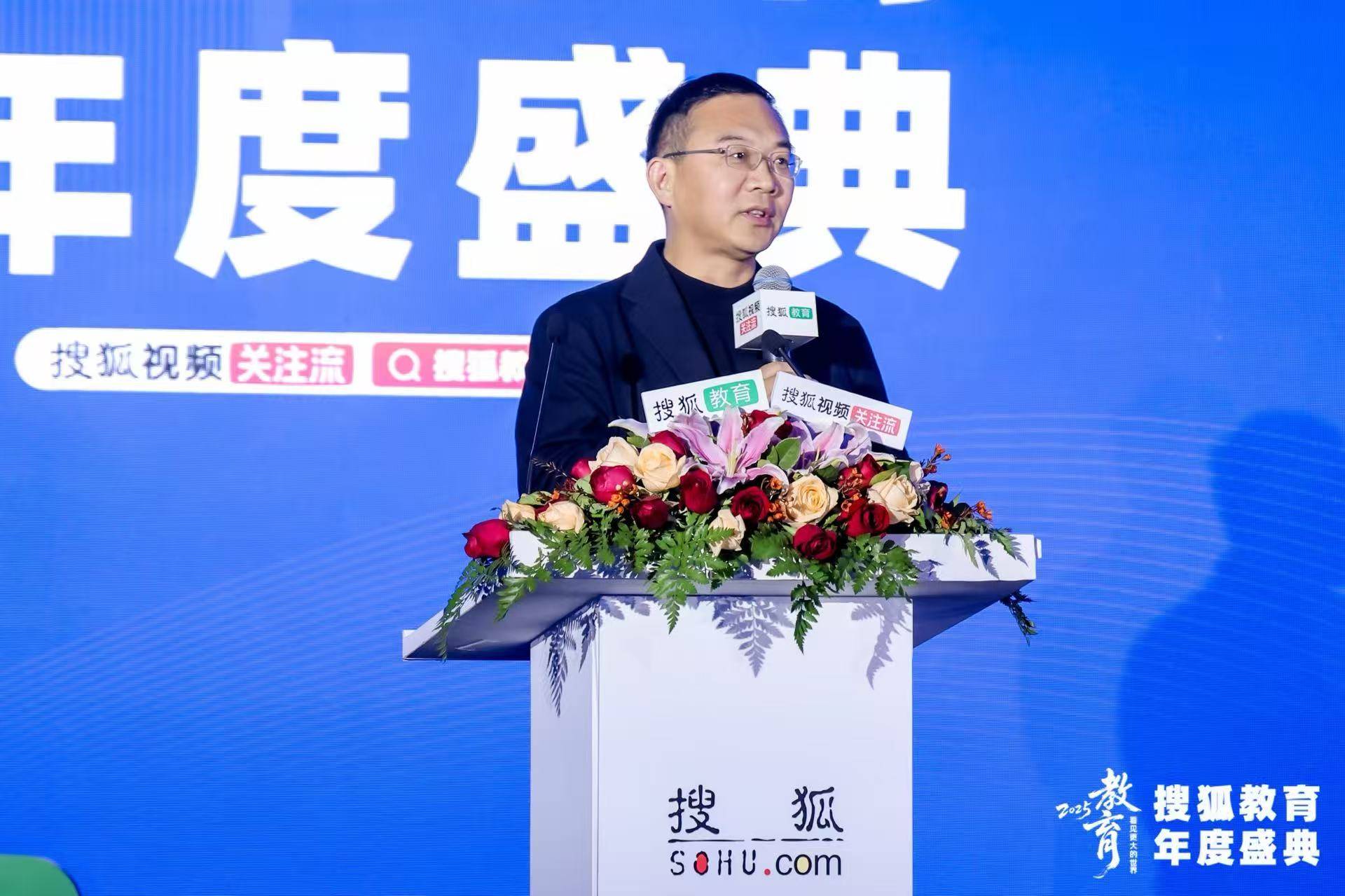
搜狐教育盛典知名主持人郎永淳:人工智能的时代 我们到底需要什么样的能力
Sou Hu Cai Jing· 2025-12-30 03:41
Core Viewpoint - The 2025 Sohu Education Gala emphasizes the need for a transformative approach to education in the context of the artificial intelligence era, highlighting the importance of skills not assessed by traditional examinations [1][3]. Group 1: Education and Skills - The speaker, Lang Yongchun, argues that the ability to integrate resources and develop aesthetic sensibilities are crucial in today's society, yet these skills are not evaluated in the college entrance examination system [3][9]. - A recent study from Harvard, Chicago University, and Hong Kong University revealed a high incidence of plagiarism among Chinese graduate students, with those who plagiarized advancing in their careers faster than their peers [4][5]. - The education system in China requires a reevaluation of what skills are necessary for success in the age of artificial intelligence, as traditional metrics do not capture critical thinking and collaborative abilities [6][9]. Group 2: Mental Health and Well-being - Data from the Ministry of Education indicates that 40% of high school students in China exhibit signs of depression, raising concerns about the overall well-being of students [12]. - The focus should shift from merely achieving academic success to fostering happiness and health, which can be supported by developing skills not tested in traditional exams [12][13]. Group 3: Future of Education - The speaker emphasizes that the future of education should prioritize the ability to ask valuable questions and seek solutions, rather than conforming to predefined answers [14]. - The discussion highlights the need for a shift in educational philosophy to prepare students for the challenges posed by artificial intelligence and to ensure they possess the necessary skills for future success [10][14].

AI化身“助手” 人类学习能力会变弱吗?
Ke Ji Ri Bao· 2025-07-10 23:55
Core Insights - Over-reliance on AI tools like ChatGPT may weaken critical thinking skills among students, as evidenced by brain activity studies showing reduced engagement compared to traditional methods [1][2][3] - The phenomenon of "AI dependency" is raising concerns about its impact on youth's academic and cognitive development, potentially affecting key psychological traits such as learning motivation and resilience [1][2] Group 1: Academic Performance - Students using ChatGPT exhibit a noticeable decline in creativity, often resorting to copy-pasting and showing diminished ownership of academic work [2] - High levels of learning motivation and engagement are crucial for mental health, with boredom linked to issues like anxiety and depression [2] - While AI tools can enhance learning efficiency when used appropriately, they risk becoming a "crutch" that undermines cognitive development if misused [2][4] Group 2: Cognitive Function - Research indicates that students relying on AI struggle with memory recall and exhibit reduced brain wave activity associated with relaxation and problem-solving [3] - This "academic vulnerability" may lead to a decline in creativity and an increase in feelings of frustration when faced with real academic challenges [3] Group 3: Social Development - High-quality social support is essential for preventing mental health issues among youth, prompting a need to evaluate the role of AI assistants in this context [5] - Initial use of AI for emotional support may alleviate loneliness, but excessive reliance can lead to increased feelings of loneliness and social skill deterioration [6] - Concerns arise regarding the potential for AI to provide harmful advice without professional oversight, highlighting the need for careful management of AI's role in emotional support [6] Group 4: Recommendations for AI Use - The dual nature of AI tools necessitates a balanced approach, where they can serve as academic aids while also being mindful of their potential to diminish learning motivation [6] - Establishing evaluation mechanisms in psychological counseling is crucial to mitigate risks associated with AI misuse while leveraging its positive aspects [6]